Showing posts with label casting. Show all posts

Thursday, October 12, 2017

Winning Callbacks w/o The Casting Couch


Winning Callbacks w/o The Casting Couch

Not to burst bubbles here, but dozens of times I have been told after a callback that I am on avail, first refusal, or even on hold for the job or spot. Don’t go jumping up and down on that one, because until you get the booking or a wardrobe call, it means very little. It feels pretty good, but that’s about all you can count on. I was at one callback where the casting director came out in the waiting room and said, “All of you in the room are on avail.” And there were twenty of us there for that one role. Great, thanks so much. *Stoked*

Being up for a big role that's just between you and another actor is a pretty intense situation. If they end up choosing them, (especially after a callback), that can be pretty devastating. You just have to get back up off your butt and go after the next one. Sometimes it isn't easy. But I learned that I will get my share, and I will book a percentage, if I can be myself, hang in there and stay positive.

When I get a callback for a commercial, (or for anything else for that matter), I always wear the same wardrobe I wore for the initial audition. It helps to remind the people that selected you for a callback to remember who you are. The odds are they have seen a lot of people. You want them to think, “Oh yeah, I remember that guy.” Plus it helps me to feel more like that role again. It’s like I am playing me again version 2.0.

I follow pretty much the same habits and mechanical things as I did for the first audition, unless they offer me some direction when I get inside the room. Whatever it was that I did in the first place, they liked it and gave me a callback, so I try to stay true to that.

Sometimes, the campaign, or show may still be evolving a little, and the copy for the script may have changed. I always double check for that and look at the storyboard if there is one, outside the casting room area. I make any adjustments if I need to for it.

This is also another time that I make sure that I’m familiar with all the parts before and after mine so I don’t get caught flat footed. I study any other spots I’m not there for that are a part of the same campaign.

The callbacks are always interesting, and sometimes they can be pretty intense situations. They just auditioned 300 actors for a role. Three days usually have gone by, and two or three actors have gotten a callback for that part out of that mob.

Eyes wander in the casting waiting room. Everyone is sitting there looking at each other, knowing that one of us is getting this job. Then you find yourself in an audition room with around 20 people looking at you standing there on the mark. You've got the Ad agency people, the product clients, a few from the production company, the director, casting director, etc. It's hard to be relaxed in this kind of a stressful situation, but you learn to do it over time.

Building up your self confidence is the way to go, and that comes from experience. You get that from being in this situation a lot, and building it up. They are spending millions of dollars on their baby, and they want to be sure you are experienced, can handle it, are good, and professional. On the other hand, sometimes that’s all out the door, and it’s just a “look” they have in mind, and the director figures they can make it work with anyone. A body with a look is just a necessary inconvenience. It happens sometimes.

It’s easy to get a little rattled at a callback. Learn to relax, trust yourself, listen, and breath. There is a lot more pressure, because now I am very close to landing this role. So are the other people in the room with me.

I go in with the expectations that all the actors there are all either equal to me, or better than I am, because we all got the callback. So I need to be prepared, confident, and relaxed. I am going in that room with the mindset that I am going to beat the competition. At the end of the day, that’s what this has all been about. I have invested two days working for free already on this, and I am going to deliver. Period.

It used to be with callbacks they would just see a couple of actors for each role, now I see as many as twenty. There’s nothing we can do about that, except keep our focus, concentration, know our material, be confident, relaxed, and ready to make adjustments.

Inevitably, at one of these callbacks, you will hear someone loudly boasting about all the wonderful jobs they have done, implying how great they are and that you don’t have a chance against them. Some of them are just knuckleheads, but others are trying to get inside your head. They try and get you depressed and/or thinking that you can’t win against them. It can get to you if you allow it in. Don’t fall for that crap. It’s usually their intention, or they just need some attention, because they are probably weak themselves. Many of these characters can talk a big game, but in reality they probably haven’t done $hit. Don’t let those big egos get to you in there. It affects your confidence, and your audition.

I’ve seen a lot of mind games, and attempts to intimidate others going on in the waiting room, especially at callbacks. Some actors will try to psych you out in the waiting room, and they love trying to do it. Some even get off on it. Unfortunately there are some people like that when you get to the professional level.

Other times it’s done in more subtle ways with things like glaring at you, or just body posture. If you are sitting there all nervous about it, and someone else is sitting there confidently, relaxed and ready to go, that’s not good for you. I admit, I have been in both of those seats. Solutions? The same as before, I turn on my mp3 player, or I go to another part of the room to get away from it. Mostly I just try to tune it out however I can, and get my focus back on.

Many times at callbacks I will show up, and all of the other callback actors will be in the room at the same time, waiting for the clients and/or director to show up before they can get started. That happens a lot. I’m not into playing mind games or talking crap or even just passing the time chatting.

It may appear intimidating to others, but I just sit there confidently, looking relaxed, and prepared. I’m going in to get this job, I'm as good as the rest, and I don’t care who I am up against, I’m going to do my best and win. I don’t distract myself by thinking about the potentially huge amount of money that’s at stake here. This is not the time for that. It only puts unneeded pressure on you if you think about things like that. Put it all out of your mind.

When I go in the room, I try to be ready for anything. There have been times that I went in and all the other actors were a certain type, and I looked a lot different than the rest of them. Don’t freak out if you see this. The other actors are sitting there looking at you and thinking, “What the hell is this guy even doing here?” Remember that they gave you that callback for a reason, because you were good! So don’t let seeing something like that throw you off. I have booked many jobs where I was the “outcast” in the room. Tune it out, and focus.

They may have also changed the part you thought you were going to be reading for to a different one. Be sure to check it out, and be ready for something like that so you don’t get caught flat footed. Usually, it’s just another reading of the same part. I try to color it, and fill it out a bit more if I can. I always have a few different reads for the part ready to go just in case.

On occasion it can be that they are ready to hire you, they just want to see you one more time to really size you up. Most likely, all they have seen up until now is the first audition you did on the tape. It might be as simple as being asked a few questions, or maybe a personality style interview.

The director and crew on this job are going to be working with you all day long. They might want to be sure you can take some direction, and aren’t going to be some kind of scattered ego-maniacal prick or something when they meet you in person.

If you do a reading, and then you get some direction to read again, (and follow it), that’s a good sign. If you do that, and then they take some time to ask you a few questions afterwards, that’s a really good sign!

If the director gives me some direction, I listen to it very closely. In stressful situations we have a tendency to rush things. I take my time and process the new information. Just a few beats, but long enough so my brain can process it, and then my creative side can take over. On occasion I will ask for a moment to process their direction. They don’t mind that. I don’t want to blow this thing because I didn’t take my time with it.

I’ve made that mistake a few times, and spent days beating myself up over it. This is my callback, I’m going to own it, and own the room. I’m not going to fall into the trap of rushing it because they appear to be in a hurry. I’ve usually only got one chance at this, and that’s it. Then it’s over, and I’m left thinking, only if I had done this…

Often they are seeing twenty actors for each part, and they have to give out the same old instructions and direction repeatedly to each actor. After doing it a bunch of times, they tend to get impatient, and rushing things because it’s so repetitive going over it with each person. Think about how tedious that must be. That’s no reason for you to not take the time to think about the direction you are given, the adjustments you need to make for a few seconds. Just ask for it, it’s YOUR callback. And you want this job.

A few times I lightly joked about it with a director. “I need a few seconds for the logical analytical side of my brain to process the information, then the intuitive creative side of my brain is freed up to follow it better”. It impresses them if you are a thinking actor and taking their direction seriously. One of them actually said that exact thing to me after I was hired on a job.

If I’m not clear on something, I just ask about it. They like to know that you aren’t one of these actors that are afraid to speak up. If I’m not sure about something, I ask.

I always do my homework on a product, and their prior commercial campaigns. What kind of spots are they running right now? What kinds of things have they done in the past? Take some time to research the particular casting director also. An extra tidbit of information can go a long way. It’s easy to do a little quick research on the web now. This gives you a big edge on the other actors.

One time I was at a callback for a chewing gum, and I knew about their current campaign. In their commercials when the other two actors were kissing for too long, the third guy would roll his eyes because he had to wait for them for so long. The spot was a retread of the same concept. I already knew that, so when I auditioned I knew right when to roll my eyes as if I was in one of their current spots. This wasn’t even mentioned in the sides, (script) but I knew it was going to be in there.

When I got the job, during the lunch break, the director said he hired me because I was professional, familiar with their product, and it impressed them that I had done my homework.

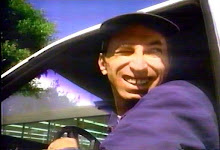
At another one, I was there for a part as a dad in a soda pop commercial. They also were casting another spot as a part of the same campaign. It was a grubby convenience store/gas station clerk who was pictured in the storyboard wearing a baseball cap. I just had this strong feeling that I had a better chance of being cast in that role. It was almost as if that rough sketch sitting there on the wall was of me. So I studied it just in case I could get them to let me read for it. Listen to your instincts.

I carry my gas station guy cap in my back pocket or briefcase for something just like this. I went in and read for the dad part, with the cap folded up in my back pocket. I read for the dad role, and I could tell they were not feeling me for this role at all. A split second before they said thank you, next. I just said, “If time permits, I would like to give you a quick read on the gas station guy part.” And I paused…they paused...then one of them says, “Okay what the heck, go ahead.” I whipped out the cap, popped it on my head, and read the tag line for the other part.

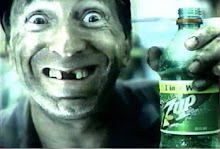
The premise was, a guy sticks a car engine oil dip stick into a pop bottle, pulls it out and runs it across his lips as if to be checking it. Then he says, “Tastes like a winner!” So I made an imaginary bottle in one hand, dunked my finger in there, and then ran it slowly across my lips and delivered the tag line with lots of energy, and then a dopey expression of approval.

The entire room of ad executives, clients, and everybody else burst out laughing. I had just brought that spot to life. I thanked them, and left. Before I even got home, I was on hold for that role. When I actually did the shoot, they wanted me to do it exactly the same way I did at the audition. During one take I grabbed the plastic soda bottle too tight and the soda came shooting out the top, which was an obvious flub, but I crammed the dip stick in there and continued on through to the tag line. That "mis-take" ended up being the one they actually used in the spot. It was too funny.

I found out later from one of the ad guys, that they weren’t going to hire me until I did that gas station guy thing. He said the entire room all agreed that was exactly the vision they had for that spot, they loved it, and that’s why they hired me.

So I learned three things from that experience. One, study the other spots and roles. Two, if I screw up on a take, keep going. I learned that in live theater, doing stand up, and also from playing songs with bands. Three, listen to your instincts, and remember this is your callback. You have some power at this point to show them something if you ask for it the right way. They are looking for a quick read, and an honest reaction, or expression. Often our actual role in a commercial is five seconds or less, so there is no time to really develop a character. We have to just be “in the moment”, or even “in the second”.

Like I mentioned, sometimes at callbacks all they want to see is if you are relaxed enough to work with all day. Most of the time, all the actors they have chosen for the callback are more than qualified to do the job. They want to see what it’s going to be like working with us. I’ve found that having a sense of humor is a good thing to have in these situations.

Not to be standing there cracking jokes, or being a smart A$$, but if you can drop a quick funny line that is related to the job, or situation you are in, it indicates that you are relaxed even under very stressful situations. Which is exactly what most commercial shoots are like. They are very stressful and there is lots of pressure on everybody involved all the way down the line. The casting director, the clients, the ad agency, the production company, and the director. You can show them that you are at ease with a little humor, as long as it’s not too over the top.

Again, a lot of it is about reading the room, keeping your head in the game, and feeling the vibe in there. A lot of actors at callback are nervous, some of them tend to run their mouths, and say stupid things. I think very carefully about anything I say in the room. Anything I say can be a reflection on the casting director, especially if it’s negative.

There were three of us for this one role in a motel commercial as cowboys. We were all qualified, very convincing looking, and all very good for the part. Usually they bring the actors in one at a time for callback, but for this one, they brought us all in the room at the same time and lined us up. When it came to my turn, the director had me do the line of copy, and then asks a leading question, wanting to see my response to it.

He said to me, “Are you a real cowboy?” “Tell me about it.” I was honest, I felt being dishonest would be a stupid move. So I said in very serious cowboy way, “No, but I can rope, ride, and shoot...however, usually I get jobs where I’m being shot at!” I put my finger through the hole in my vest. Everybody in the room burst out laughing. I booked the job. The director later said to me that they all felt I that I would be easy to work with, and seemed relaxed. He also said they liked my neck. What? My neck?

It’s hard not to dwell on the decisions and/or mistakes I think that I may, or may not have made on that last callback. “If I would have just done this, or that.” It can make you crazy driving home, or even for days if you let it. Or even worse, for those that have to live around you. Hindsight is always so clear. Just say to yourself, I did the best I could under the circumstances. Time to focus on the next one.

Even if I am convinced that I blew the audition, I just focus on the next one. Honestly, this happened to me a few times. I was absolutely sure I hosed this one callback, and then I booked it! Huh? On many others, I was convinced that I nailed it…and then nothing. We just never know what they are thinking or really want. The key is to just be professional every single time.

Every time you go on a callback, more important people have seen you and your work. The more people you see, the better the odds are they might want to see you again. Always remember, if you got a callback, you did your job, and you did it well.

A lot of us at the professional level audition for commercials from three to five times a week. At minimum, that’s 150 auditions a year. I did this in Los Angeles for 14 years. That adds up to 1000’s of auditions. I averaged only working about twenty days a year, but I earned enough from those to live on, and buy a home for my wife and I.

I lot of what I’ve written here are the audition habits, techniques, mechanical things, and rituals I would do to give myself the best possible chance to beat the competition, and win the job. No doubt, you will develop winning habits for yourself from experience. My hope is that some of the things I’ve shared here will help you.

Something I learned was to go ahead and spend the money for very expensive comfortable shoes with good foot support to wear at auditions. Being comfortable on my feet is a key element for me. Usually an audition is only a minute or two in duration. When I’m standing there for that moment, I want to plant my feet on the mark, be grounded, be comfortable standing there, and do the best I possibly can. It may sound like nothing big, but it’s not. You often end up standing around for a while during the day, but that moment when I’m standing there auditioning, I need to be comfortable, and my feet need to be feeling good. Ask any waitress or dancer about it.

I broke down, went out and got the most comfortable walking shoes, and a pair of dress shoes I could find. Most dress shoes are not comfortable for me at all, so I would get high end black tennis shoes that appeared close to dress shoes for those situations where I needed them. I got a brown pair of Rockport walking shoes, and those felt like I was wearing moccasins to me, yet they still had the good foot support. Those were very comfortable; I liked the Dexter brand of dress walking shoes also.

I played a mechanic, maintenance man, a construction worker, and other similar blue collar characters a lot. So I went out and go the best, most comfortable construction boots I could find also. The low cut ones are better than the hi-top boots. Because it’s easier to turn, and to move in them. Find a pair with good foot support, yet don't weigh a ton either. When you get to stomping around in construction boots all day, the heavier ones tire you out quickly. When you wear these, you can better feel the part, because you kind of clod around in them. They even affect your stance, which is part of the character.

It’s obvious that I never really made it big as an actor, but I was very blessed to be able to work a lot, and managed to make a living doing what I really loved to do. Just to get any work at all in this industry is kind of a miracle in itself. I was very fortunate to be able to earn a living for as long as I did.

It can happen if you are willing work hard at it. But you can't just sit there, and wait for your agent to call you. You have to do a lot of the other work, brand, market, and promote yourself like any other product out there that you see being advertised.

The feeling of euphoria when you get a big job is hard to describe. There is also nothing like the rush of walking out on live TV in front of a studio audience, (and with 20 million people watching). There is this wall of energy that hits you smack in the body. Whoosh!

If you have this dream, don't regret that you didn't try to be an actor. Even if they all say you can't make it. And a lot of them did that with me. “Oh, you’re not the right type.” “You can’t make it as an actor.” It made me all the more determined, and it should with you, if you ever hear something that. If I could offer any advice it would be to go for it if you are thinking about it, and then you won't always have to wonder...What If ?

I ended up going to Hollywood with a suitcase full of junk and $2000. To be honest, yes I was a little scared. I had done lots of regional work, but this is Hollywood, where the best in the world are. You compete with seasoned professionals for roles in everything on TV, Films, and even in commercials.

They say that Hollywood has an actor on every street corner. They were pretty much right about that. Everybody is an actor out there. It took a long time for me before I landed a really big job. It was almost a year before I hit a big commercial. The way things were going, I thought I might never get one. I had around thirty callbacks for roles, but I just couldn't seem to land the big one...and I was starting to doubt myself. "Man, am I ever going to get a job in this town?" It’s just a matter of the odds. I didn’t realize it was 1 in 83 auditions, and that most actors out in Hollywood gross less than $5,000 in earnings in a year!

Many actors who go out to Hollywood, last a year or two, and end up going back home. I couldn’t help but think, "Is that going to happen to me?" But finally it clicked, and I then went on to make a pretty decent living doing really stupid stuff, and making lots of people laugh in the process. I don't mind looking stupid if it brings a little joy into someone's life. I was surprised how many actors had a real problem with looking dumb, or doing some job that might be bad for their "image", or thought it might “hurt” their ego. Some of these people just don’t have things in the right perspective. A SAG job is a good job, whatever it is.

I realized right away I could make a living if I didn't have any hang-ups about people laughing, or making fun of me. Once the casting directors found out that I had no problem at all looking silly either, I started getting a lot of work. That's probably my best piece of advice for someone heading out to chase their dream.

One thing that was odd was that, even though I played lots of different characters, people started to recognize me on the street. I guess when you have three or four commercials running around twenty times a day people think, “I think I've seen that guy...somewhere" kind of look. It’s funny.

90% of all the work I booked was all comedy, but I did do a little bit of drama here and there. For me it was pretty rare. Hollywood saw me as a character comedy guy, and that was pretty much it. You can try and brand yourself a certain way, but the town chooses who you are. It’s up to you to recognize it as soon as possible, be able to accept whatever it is, and go with it. Most of the time your agent will put you in certain categories for auditions, and that helps you to figure out where you fit the best.

Many actors I knew would fight that premise, and as a result they would struggle work wise. Some actors would only want to do drama in feature films. Others didn’t want to do television, or do comedy, etc. Me? I didn't care. Any union acting job is a good job. If it touches someone and brings a little laughter to their day, I figure that’s a good thing.

Here’s some good advice from something Frank Sinatra said: “Be on time. Know your lines. Hit your mark.” That sounds like pretty solid advice to me.

“Sure I can play to look 40. I just grab the back of my neck and pull the wrinkles out of my face.” -SR

Thursday, January 8, 2015

My Audition & Prep for TV Film Commercial Castings


Every time we audition, we learn something new. This one was no exception. The ad below the pic was in one of the old trade papers we had back in the 80's and 90's. The Backstage West and Dramalogue. They competed to get paying auditions, so it was good for us. Lots of pilot game shows to try out for, music videos, v/o's, union auditions, even fun to work on paying shows like Supermarket Sweep, The Gong Show, and many others. We could earn $300 - $600 a day a few times a year and it helped out. I guess the reality shows, and skynet came along and did them in. It's up to us to try and find work in addition to our agents. It's just a little harder to sift through all of it now.

At the professional level, almost every time we walk into the casting room for an audition, we are up against the best in the world for just about every single role. So we have to be at our absolute best, and make sure we are in the best mindset possible. Got to be prepared with the material, carry ourselves like a professional, and ready to change and adapt to direction almost instantly. We can't take the safe choice at a casting, that's what most of the other actors are doing.

We have to be different, and take a risk in order to stand out and get that callback. Odds are, they will either love you, or hate you, but most of them will respect you for taking a risk. Often times if you do, they are open you letting you give them a different take if you ask for it right. Even if you weren't right for this job, they will likely remember you for something in the future.

When I got to LA, I had quite a few commercials under my belt, but I knew I needed to find a way to get a leg up on the competition. After a couple of months of auditions, I had met a few of the bigger commercial casting directors. I approached a few during off hours, and offered to intern for them. I wanted to get a little “inside baseball”, and see what their job really entailed. I wanted to see their day was like, and see things from their perspective. I also wanted to see if I could watch some of the other actors audition. I figured that would give me an edge.

I was honest and up front with them, I said, “I’m not trying to get on the inside track for auditions with you, I want to learn how your work day goes.” “I’m willing to work for free for a few weeks, do whatever grunt work you need done, and run your errands.” One of them said okay, if I would keep my mouth shut, and stay out of the way in the audition room. So I got run pretty ragged doing all kinds of things, but I learned more from the experience of being in that audition room. More than any acting or auditioning classes I took, acting coaches, stand up comedy, or anything else.

I was amazed to see how many actors would come in unprepared. Some come in that had no idea what they were really doing. Some were arrogant, or had chips on their shoulders. Some simply couldn’t hear, and react to, direction when it was given to them. Some were just plain too nervous, and would start running their mouths unnecessarily. Trying to be a kiss ass, and etc. Many of them had their auditions deleted from the audition tape, and they never even knew it.

Then there were the professionals. They were the ones who stuck out like sore thumbs in the bunch. They knew exactly what they were doing. They listened to direction, and were just “in the moment” being themselves. They were letting their individual personalities out, following direction, and being creative. The way they walked in the door said it all. This actor is a real pro. Those were the ones the casting director wanted the clients to see. It was a real wake up call for me.

In addition to that, I had no idea what casting directors go through in a “normal” day. They are fielding phone calls from producers, directors, ad agencies, and clients changing up the copy. They are auditioning actors all day long, often without even getting a lunch break. There are calls coming in from agents, and even actors who are running late, trying to reschedule, or cancelling. They are also dealing with breakdowns for other jobs, and have to make preparations to cast those. Their average day is utter madness, and chaos. By 4 pm, they are pretty worn out. I never realized how much work they actually have to do. I figured they just sit around there and audition actors a few hours a day. Knowing all of this was very helpful, because if I went on an audition and the casting director was a little snippy with me, I had a better understanding why.

All of this taught me how to be able to “read” a room better when I walked into it. I became much more sensitive to what they go through. Most of the time, they are friendly and supportive to us. But if I came in a room, and they had some kind of negative energy going on, I didn’t let it affect me personally - we can't afford to. I became one of the pro’s who walked in the room, listened closely, made strong choices, owned it, was always polite, and left the room promptly. I didn’t want to be that “deleted” from the tape actor.

I ended up having a sort of audition ritual. I did many mechanical things before auditions, then I would just adapt and improvise around them. So, summarized, here’s my commercial, and/or theatrical audition routine: When I get the call/email from my agent, the first thing I do is make sure I don’t have another audition conflict, or any direct product conflicts. Big trouble if you do.

I never discuss an audition or any details with anyone. Most of them have non disclosure agreements anyway. If I have anything else non-acting related going on, I cancel or reschedule it. I want to always be that actor that when they call me, I will be there no matter what. If you are late to an audition; the casting director might figure if you are late for the audition, you might also be late to the set. Same with your agent, we want to be that go to actor. So unless you have a broken leg, or a family emergency, no excuses, be there early, or on time. If something like that does happen, call your agent right away. Most of the time, your call can be rescheduled if it’s a real emergency.

Just as a side note, when I got my first smartphone, I noticed that when my agent called me for an audition, and that the sides were attached, I didn’t see any attachment. I was going to call them, but I figured it would be best not to bother them until I was sure. When I got home, I checked the email on my computer, and there it was. I spoke with a few of my other actor friends about it, and sure enough, some brands of smartphones don’t show the attachments. So check it out on your computer first, before calling your agent.

I do get some rush call auditions, but most of them are scheduled for the following day, sometimes two. I don’t know how it happens, but auditions always seem to come up around rush hour. They’re at 9 am, or 4:30 pm, where you would run right smack into it. It's important not to be a dick on the set, and with everyone you come in contact with. The word about your rep gets around. As big as Hollywood may seem, it's really a small town for industry people. Sometimes after you've been worked for a number of productions, they just up and call to book you for another job. "Can you be here in 2 hours?" (and it pays scale.) Um let me think, yes.

It’s rare, but if I do get to pick an audition time range, I go for the earliest possible time. For some reason the early actor tends to have a better chance at booking the role. I think they may just get tired after seeing the same thing all day. Go for early if you can pick an audition time.

Most of the auditions are scattered around a 25 mile radius in Los Angeles. So no matter how centrally located you may try to live, you often still end up with a long commute. They are where they are.

If the agent emails me the storyboard and script, I go over it and think of three or four different reads I might use, that may not be the first and most obvious ones. Then the next day I revisit them, and go over it again. How is the commercial’s message being conveyed? How do I fit into it? What is the product, and how are they selling it? If it’s a film, what’s the theme?

Most of the time, there are no sides beforehand. It is just a type they are looking for and I have nothing much to go on except for a time, and wardrobe suggestion. Often it’s just something very generic, like a construction worker, taxi driver, fisherman, or a dad in a polo shirt, etc. Fine, I have lots of junk in the trunk, just in case they have gotten the roles mixed up. (It happens.) Maybe I might get to try out for a different role I think I might be better for, whatever it may be, I’m ready for it. I might also be able to get another audition for something else while I am there at the same facility I am going to visit.

Having various wardrobe changes with me, saved me numerous times. I also have plenty of extra headshots, different hats, and eye glasses, just in case. I’m ready to change it up completely if I need to. (If I do choose to wear glasses, I slate with them off, and put them back on for the reading. That way I can show them two different looks.)If I see there are 2 roles I'm good for, I get familiar with both of them just in case. On a number of occasions, I've said, "If time permits I'd like to read for the other role of the mechanic", etc. and it has worked - even booked me a few I wouldn't have gotten otherwise.

I make sure I am wearing no colognes or other heavily scented things, which some casting directors might be allergic to. Then I put on the most comfortable shoes I have, and suit up in my wardrobe for the audition. (Or I have it ready to do a quick change in the car when I arrive.)

I like chewing bubble gum. Always remember to take it out before you go in for an audition. Directors hate it when actors are auditioning and chewing gum. I got busted once, and that was it. I never made that mistake again. Plus, there was no place to spit it out, so I had to put it in my pocket. I forgot it was there, and my pocket was permanently gooed shut. What a mess. But it served as a good reminder.

I eat a small meal before I leave the house, so I’m not starving when I arrive. I don’t want my stomach to be growling. I have fluids like Gatorade, or bottled water, and some honey cough drops in the car for when I get there. (Learned that from an old radio host. Honey cough drops.

I leave early enough so that even with a traffic jam, I will arrive there at least 30 minutes ahead of my audition time. The same for call times on the set as well. Then I can get as much information as possible prior to my audition. They also might spring some dialog on me, and then I at least will have some time to work on it.

When I arrive, I take at least five minutes of quiet time just to gather myself, and calm down from the drive. If you like to say a prayer, or anything like that to help you get your mind right, then you have time for it then, and you can do so.

I stay away from drinking ice cold beverages, because it contracts, and affects my voice. I avoid anything with caffeine or sugar in it. Chocolate gives me a sugar rush that makes me appear to be nervous, so does caffeine. I avoid that, and any candy that is sour, or eating anything spicy before my call. My throat is part of my instrument, (I hate calling it that.) But I need to keep it in prime working condition. If anything, I take a honey cough drop 15 minutes before auditioning. I learned that one from a radio broadcaster.

I always go in way ahead of my call time, so I can gather some more information about the audition. I look at the casting area and size it up. A glance from my chair into the casting room when the door opens even helps a little. I can visualize things better. I look at the sides for my part, and all of the other parts as well. They might be interacting with me, and that info is useful. If there is a storyboard on the wall I study that. If there are boards up for related spots they are casting, I study those as well. It gives me a better idea of the direction of the commercial campaign, and I might want to hint towards one of those. Study the name of the campaign and the particular spot. That is a tip off on everything.

If there is another spot they are casting at the same station, or another role I think I might be better suited for, I study that closely. I might want to wear an article of clothing, such as a mechanic shirt underneath my businessman shirt. Then I can easily transition in seconds to the other role if the opportunity presents itself. Always be on the look out for other parts to audition for.

I observe all the other actor types that are out there waiting to audition for my part, and try to speak with a few as they are leaving the facility. I try to gather any information about the audition that I can. Sometimes I need to talk with a few different actors to get some decent intel on that particular audition.

For example, how many actors are they auditioning at one time? How many times did they let you read for the role? Was it on camera? Is the casting director, the director, or are the clients in the room? Was there a rehearsal before the audition? What did they have you do for it? Obviously, you are not going to get all that information from one actor, so I usually speak to a few, catching up with them as they walk out to their cars. This is why I need that extra arrival time. I share this with other actors if they ask me when I'm leaving as well. You get back what you put out there, and being supportive to your actor peers (even if they are competition) is the right thing to do.

usually then I return to my car, digest all the information, make adjustments to my wardrobe, my look, and think about some different reads I might give. More often than not, I end up throwing all the reads out and go with something else when I get in the audition room. If my instincts guide me in a certain direction, then I go that way. I eventually learned to just trust my first instincts. (If I over-think it I'm done.) At least I am prepared to deliver something strong, be different, and take a risk, even if there is no direction given. Many times, there is none, and they want to see what you as the actor will bring to it. If they do give me some, I take it.

I make every effort to go into a room with nothing but a positive mindset. Anything that’s troubling me or negative, I push it out of my thoughts. I leave it at home, or at least in the car. You have to, because if you have something lingering in the back of your mind, it shows in your audition and sometimes even in your face. Ask most any casting director, or someone who works behind the camera and they will tell you that. You've got to block all that out, as hard as it may be sometimes. Things like relationship problems, financial problems, even being in some heavy rush hour traffic can affect you. These are all good reasons to get there early and get your mindset right.

Aside from arriving there early and chilling in my car for a bit, another thing that helps me get in the right frame of mind is this: I say to myself, “I love, and approve of myself.” I repeat this slowly three times. (And you have to really mean it!) As I do this, with my left hand, I tap my right hand area just above the thumb, right on the flat area where my hand meets my wrist. I just lightly smack it about six times with my left hand index and middle fingers pressed together. I learned this from a close friend that is one of these “new age” types. In order to audition well you have to love yourself and what you are doing, despite what ever is going on in your life. Leave it all there and focus on the job at hand, the audition. There's plenty of time after to thing about it.

She explained that this is one of the body’s Meridian points. I thought to myself at the time, “Man this sounds like a pretty stupid idea.” But I went ahead and tried it at my next audition, and, as odd as it may sound, it helped me. I was always a bit self conscious, and it helped my state of mind. You have to learn to love yourself, and like who you are, as hard as that may be sometimes. So doing that is a part of my pre-audition routine. If there is something that I do, or try out and it works, I continue doing it next the next time at the callback. But I always go in ready to make adjustments. We need every edge you can get in this line of work.

When I get out of my car, I do some stretching up against it just like an athlete, or a jogger does. I want to get my body limbered up for a little acting exercise. I exercise my facial muscles and my voice a little also. Other actors parking and getting out of their cars nearby look at me and think I’m some kind of a nut, but I don’t care. I am there to do one thing, out shine the competition, and win this job.

When I do get in the room and sign in, I do everything I can to stay relaxed and focused until I get into the room. Sometimes we can be stuck waiting there to audition for as long as an hour or more, waiting for our call. I don’t get pissed off, or get an attitude about it. We are all in the same boat, some actors handle it better than others. As frustrating as it can be, I try to be disciplined, and just be patient. It is very hard, because it is almost always loud with all the other actors yakking away in there. Many are blabbing loudly into their cell phones, like this is some sort of a social gathering. It’s a job interview, and I treat it that way. This is all business.

About twenty years ago the “size sheet” appeared on the scene. Casting directors almost always have you fill one out before auditioning, and we would give it to them with our headshot. (Thankfully, now most of it is digital.) It was kind of annoying, because when you got a callback, they'd have you fill out the same stupid size sheet form all over again. The obvious things are on there, like your eye and hair color, weight, and various clothing sizes. Also your agent, your contact information, and if you have any conflicts on the product. Be honest about that one, you shouldn’t even be there if you do.

But at the bottom of the page there is usually this little box that says, “Are you willing to do extra work?” My advice is to don’t ever check yes on that one. Many times the producers want to hire you as a principal, but they know the rules, and might just use you as an extra on the job instead. (For more on this, and much more, drop 6 bucks and pick up my Kindle book. I'm not a book machine I have only one, and no plans to write another.)

Sometimes for these auditions, we would end up sitting there for an hour or more. According to the SAG rules, if we are kept waiting longer than an hour, we’re supposed to be paid 30 bucks or some silly amount like that. But not many of us ever pursued it, because if you did…you probably weren’t going to get an audition for that particular casting director again. (And most of them know that.) So if they ran a little late, we just had to deal with it, and keep our mouths shut. This is not a battle that’s worth fighting, for thirty bucks.

Often when I am at my particular casting, they would also be casting two or more roles, or maybe even a series of commercials at the same station. I really liked the ones that would post storyboards on the wall for each one. It gives us a much better idea what the ad agency’s vision, or concept was. Many of them don’t, because some aren’t exactly sure what they even want yet. All of them would usually have a script for us unless it was just a “look” thing that they were casting.

I found that it’s important to study all of the roles I might be appropriate for, and even learn some of them, just in case. I can’t tell you how many times I was hired for a different commercial than the one I was actually there for. Especially at the callbacks, be sure to study all the parts. Often, after auditioning for the role I was there for, I would say, “I would like to give you a quick take on the other role for such and such”. Just don’t ever phrase it as a question. “Can I do it again?” Answer: “No.”

This one time I was there as a dad, and I saw they also were casting a car mechanic spot. That’s something I played a lot, so after the first audition, I pulled a blue mechanic hat out of my back pocket and put it on. I said, “If time permits, I would like to quickly read for the role of the mechanic”. It worked, and I got the role, so keep an eye out, and study the other things they are casting.

Trust your instincts, they will guide you. If you feel you are better suited for another part, you might be right. Plus, it gives you a chance to get more time in front of them. I found out that with many of these commercial campaigns, they only have a vague idea of what they want. If you walk in, and give them your interpretation of it, and nail it – you’re in. Some other spots are cast in stone, they know exactly what they want. If you can walk in the room, and be that image of what they had in mind, you’re probably getting that job. Sometimes it is just a "look". That always kind of frustrated me. The same with "real people" auditions. I never, ever got one of those!

I don’t want to create any kind of negative energy prior to going in for my audition, but if someone is overly loud for an extended period of time in my audition group, I will ask them to please tone it down a bit. I’m here trying to get a job. I try not to do this unless it is absolutely necessary, because some actors I’ve met at this level, have ego / anger issues, or a real chip on their shoulders and don’t care about anyone else but them.

Most of the time, I tune it out any way I can, and stay focused on the job at hand. I use my mp3 player if need be, to white out some of the noise. The music I play is something instrumental so I can still stay into things, and not be overly distracted by it. (Back in the day before back in the day, it was a CD player, and before that a cassette player!)

Other times to get away from noise, I will just walk away to the far side of the room so I can be alone. Even if everyone else in the room is loosing their heads, keep yours on. I don’t talk to the other actors, unless it’s a scene that needs to be rehearsed with a partner. Try to find a compatible one. As far as chatting with other actors, other than perhaps a quick reply to a question, that’s all I want to do. During my pre-audition routine and warm up I don’t want to talk. I don’t want to be rude to my peers, but I don’t want to be distracted, loose focus, my prep or concentration either.

If someone does want to talk with me, I just politely explain that I am focused on my audition right now. I will be happy to speak with them afterwards. Some actors cop an attitude about it, but I am there to get work not to be a social climber. I just get up, move and find another seat if I have to.

Inevitably, at many auditions, you will hear someone loudly boasting about all the wonderful jobs they have done, implying how great they are and that you don’t have a chance against them. Some of them are just knuckleheads, but others are trying to get inside your head. They try and get you depressed and/or thinking that you can’t win against them. It can get to you if you allow it in. Don’t fall for that crap. It’s usually their intention, or they just need some attention, because they are probably weak themselves. Many of these characters can talk a big game, but in reality they probably haven’t done much of anything. Don’t let those big egos get to you in there. It affects your confidence, and your audition.

I’ve seen a lot of mind games, and attempts to intimidate others going on in the waiting room, especially at callbacks. Some actors will try to psych you out in the waiting room, and they love trying to do it. Some even get off on it. Unfortunately there are some people like that when you get to the professional level. There is a lot of money on the line.

Other times it’s done in more subtle ways with things like glaring at you, or just body posture. If you are sitting there all nervous about it, and someone else is sitting there confidently, relaxed and ready to go, that’s not good for you. I admit, I have been in both of those seats. Solutions? The same as before, tune it out, ignore it, look away, but not down. I turn on my mp3 player, or I go to another part of the room to get away from it. Mostly I just try to tune it out however I can, and get my focus back on.

I pay attention to the two actor’s names that are on the sign in sheet just before mine. Then I know about how much time I have before it’s my turn. It’s part of being ready, and prepared. I don’t want to be surprised, and not be ready to go in. When my name is called, I want to be sharp, and at my best.

I’ve learned to breathe through my nose, and not through my mouth as much as possible. A doctor explained to me many years ago, that more oxygen can get to your brain that way. This helped me with auditioning a lot. I breathe like this until it is time to speak. As simple as it may sound, it takes some practice to do it. Normal breathing helps you to be more relaxed.

One way I learned was bicycle riding. I would close my mouth and breathe only through my nose. It’s hard at first, but if you practice it enough, you can master it. Many professional athletes do this to build up their cardio, and endurance. It’s a way to give your body more strength when you need it. Breathing normally under stress is a skill that takes a lot of work to master. Relaxation and breathing exercises help to keep my body centered, and grounded.

When I know it is about five minutes before my audition, if I’m sitting, I stand up and move around a little bit to get the blood moving and flowing throughout my body. Otherwise, I go into the audition a little flat, and with less energy, and by then it’s too late. (It always happens after you come out of the room, and it’s not going to help you very much then.)

I look for a private spot and stiffen up each limb of my body really hard for a few seconds, and let it relax. I focus and think about that body part as I do this. I feel the muscles tense up, and then relax them one at a time. It helps to get my blood moving. I do this with each body part, my arms, my legs, my hands, my feet, my neck, and my abdomen. Then I repeat the process up to three times. It takes me two minutes maximum to complete this.

I also do some facial exercises to limber up my face, like making different expressions. Warming up my face is important because usually the audition involves expressions of some kind. I limber it up like I would before doing any other exercise. I stretch my lips a little, move my tongue around some, and limber up my jaw bones. People do give me some strange looks, but it’s what I like to do before going in. I look a little strange anyway.

Nobody can really see what you are doing, if you are discreet about it. You don’t need to move from a standing, or a sitting position. When I can, I prefer to stand. I find that doing this relaxes my body more, and I am more prepared.

When my name is called, I walk in confidently, set my briefcase inside the door, and head straight to the mark unless otherwise instructed. I don’t look down to see it, I can feel where it is based on the room, the set up, and the camera’s position.

They sometimes offer me a little direction, prior to an audition. I can't stall or it looks bad, but I don't want to rush it either. I only got one shot at this, so if I need a few beats I take it, or request it. I listen to it clearly, and give the logical analytical side of my brain a moment to digest it fully. That allows me time for my creative intuitive side to be freed up, to come up with something. But I have to listen clearly and absorb the direction. I take a moment to let it sink in and process it. Sometimes that is easier said, then done. Like I mentioned, so many actors aren’t able to hear direction, and act on it, in stressful situations. I give my brain a second to catch up to my body. I don’t ever rush it. I drove 2 hours for a 3 minute audition after waiting in the room for an hour. I am making the most of this thing.

When they ask me to slate my name, I say it clearly, and with moderate projection. It does not tail up in pitch, or down, it is just a clear confident statement of my name. I am proud of who I am, and what I am doing. Without being asked, after a second or two, I turn right to profile one beat, then left for one beat, then back to center, and hold. A mistake I saw many actors make was to beam a fake smile or some other stupid expression after the slate. I just hold it with a look of confidence, but not arrogance.

The camera person will usually stop us after that, and then queue us to begin the reading. It gives the impression that I have been there so many times, that it’s a reflex. Like the player who scores a touchdown and doesn't need to spike the ball. He's been there so many times, he doesn't need to.

There may be some direction before or after I slate also. I do the same thing, listen and absorb it, so I can follow it. I at least use it as a guideline. I may need to just toss out all the reads I had planned in advance up to this point, but that’s okay. I was prepared a certain way, but I am ready for something else completely different if need be. Sometimes there are no sides, it's just improv. so you have to be prepared for anything. Even a couple different anythings.

Sometimes when we are standing there on the mark, they will ask us if we have any questions about the audition, right up front. I am usually ready to go, but if I do have one, I ask. Sometimes I am not clear on something, and I ask. Better to do it now, than screw it up and regret it later.

If they ask me if I would like to do a rehearsal first, unless I am feeling unclear on something, usually I say no. Unless I am feeling uncomfortable with my choice, or there are other actors auditioning with me, and I want to get a feel for blocking the scene, our timing, and chemistry, I will say, “No, I prefer to get right to it.” I came in that room ready to go, and I want to if I can. I keep my focus better if I can get right to the actual audition straight away. If I am with a few other actors I try to give them a nod to, “Let’s just do it.”

I find that my first take is almost always better than my second one in an audition situation, so I don’t want to burn a good one up, and loose it as a rehearsal. When I’m working on the set, of course, that’s a totally different situation.

As I mentioned, I try to give a read that is not just a safe one, or the most obvious choice, unless I’m otherwise instructed. Most of the actors I saw audition, would take the safe or obvious read. I want to stand out from the crowd. I usually go with my first instinctive feel on it. I try to dig deep for a risky and different one that the others may not have thought of. More often than not, my first impression it is the best one. It took some experience to get there, and just trust my instincts.

When I finish the first read, if I have what I feel is another good take on the spot, or other spots, I say that I would like to do it quickly another way if time permits, and then I pause for reply. If it’s a no, I cop no 'tude, thank them and leave. If it’s a yes, I do it to it. If I get a chance to do a second read, I make the most of it. Often I will get some direction, casting directors and directors love an actor that can take some direction. If there is none, I try to have something completely different ready for them. Our job is to roll with it.

After I am done, I thank them for their time, and leave, (Not forgetting my briefcase on the way!) When I do leave, I try to let it go. This whole thing is now out of my hands. I did my best under the circumstances, and that’s all I can expect from myself. Even if I feel I made a mistake in there, I need to just let it go. It is time to focus on the next audition. It's a fickle business, there are times I felt, man, I totally nailed that thing...and nothing. other times, I felt I made a poor choice, or even blew it. Then I get a callback and book the stupid thing! So you never know.

Just don’t ever try to “crash” a casting. Even if it looks completely disorganized, and you may think you can slip in unnoticed, they will find out later on from the tape. They also keep records of all the actors they are seeing that day. Asking to audition is okay, but crashing one really pisses casting directors off. I did it a few times at the nonunion and union level, and burned myself with a few casting directors as a result of it. Don’t crash, you will get busted and not even know it. It’s not worth the risk to your reputation.

After the audition when I get back to my car, I relax and process the whole thing for five minutes before starting it up to leave. I treat myself to something nice if I have the time. A decent lunch, some tasty coffee at the Coffee Bean, or just chill out in a relaxing spot for a little bit. It takes the edge off, and reduces stress a little. Then I head home, and try not to dwell on the audition, as tempting as it may be. What if I had done this? Or if I did that? Or, I should have done it this way... got to let it go. There’s nothing we can do about it, and beating myself up for a bad choice doesn’t help. Maybe it wasn’t a bad choice after all? Sometimes I think it was…and then I get that callback. Time to focus on getting that next audition, not dwelling on the last one.

I try to keep things in perspective. There is no way to really predict what you are going to be asked to do in most any audition. Every one of these auditions is different. Even after auditioning for 1000’s of these, I can say that with confidence they are never the same. I can’t advise very much on the actual “acting” part for you. You need to find a good, and reputable commercial and/or acting coach or teacher to get as much acting training as possible.

Commercials was how I earned most of my living. Keep in mind that auditioning for commercials is an art form in itself. We have to convey an expression, attitude, or emotion in seconds. There's no time to build a character, you have to be it, instantly. Film and theater training don’t help us much here.

All we can do is be as prepared as possible, know our material, be confident, ready to improvise, and make changes on the fly if we need to.

I hope some of this helps you out a little. If you would like to read the balance of this chapter, and the rest of my book, (I'm just now getting to the good stuff!) Anyway, the title is, "An Actor's Face, Audition, Casting Advice, And Anecdotes From A Working Actor". It's $6 at the Amazon Kindle book store.

It is my story, and adventures as a working actor in Hollywood, but it's also filled with lots of practical advice, casting, and auditioning tips. Also for actors who are making the move to NYC, or LA, to pursue their dream as an actor, as well as for people who are thinking about breaking into the acting business, whatever market you live in.

At the end of the day, earning a living as an actor boils down to one thing: winning the job. I've learned a lot about increasing your odds, and putting yourself in the best possible position to get hired.

I earned a living for 2 decades as an actor, and even though I never really got that breakthrough role, I was able to earn a living doing what I love to do - acting. You'll read about ways to audition better by being more prepared, to gathering information that will help you get the edge on the competition, and the goal, to book more jobs. I discuss common sense ways to acquire the best possible tools at the lowest possible costs, because I had to do it myself. I vowed that if I ever made it I would share everything someday, because it was so danged hard getting information and breaking into the business. Obviously, that's changed a lot since the web. Info is a lot more readily available if you take the time to dig for it and sift through all the crap. I priced my book low, because I'm not into gouging other actors, and I'd rather you had the extra money for things like good headshots. Something we have to do on a regular basis. I hope some of what I've written helps you.

Here's the Amazon Kindle link:


For more information, visit my actor site, ShannonRatigan.com


Shannon Ratigan

Copyright © Shannon Ratigan All Rights Reserved.

Tuesday, June 18, 2013

Sex and the Single Actor


All kinds of TV shows and comedians joke a lot about pornos these days. So do a lot of us on social media. I think most of us have probably told a porno joke in our lives at one time or another. But there’s a real serious side to this for everyone, especially models, and actors.

I knew a few actors back in the 80’s, and even the 90’s who just got so frustrated by all the rejection in this business, that after a few years they just gave up and started doing partially nude print ads to supplement their income. It seemed innocent, and harmless enough to them, the money was good, so they kept doing it. Then after a while it became full nude print ads. Then it was just a shot step to doing porn in print. Apparently, the buy out money was very good for a days work. (I guess if you want to call it that.) Then when they were asked, it was pretty easy for them to just do full on acting in porno film VCRs, then DVDs, and even online. The money was even better. In fact, they made a lot of money for a few years. Some even got I guess what you would call porn fame.

They automatically were called porn stars and loved it. But guess what? When it was all over, they had their run, and if they wanted to move on to another career, or settle down and get married, have children, and move on with their lives, they couldn’t. Unfortunately, they found that their past kept catching up to them. It had pretty much completely ruined their lives. Everything from self esteem, to nobody wanting to hire them. Or if they started a business, people found out. If they did get hired by someone, their employers would find out, and they got fired.

Some even bought homes to try and settle down, but when word got around and some of the neighbors found out – they didn’t even want them living on the same block as their kids. Their past would always catch up to them somehow. It was really very sad, but they made those decisions, turned that corner, and now they were paying the price for it. It was as if they were now on a sexual offenders list or something. I guess being in that field was like a narcotic to them, because while they were doing it, the money, and all the attention they were getting was so alluring. When it was all over, they found that their past followed them everywhere they went, and they pretty much couldn’t do anything anymore. There are a few exceptions with a few actually making a transition to legit acting, but not very many.

Please don’t give in, no matter how bad it gets.

Sexual harassment is still a thing, for both males and females in the entertainment industry. So is sexism, especially for female directors and producers, but it’s slowly getting better. There are still plenty of perverts that will promise you work for “favors”. I heard someone jokingly say once, “Sleep your way to the middle.” So keep your guard up, especially if the casting call is to a residence. The online stuff I would be especially leery of. If you’re going to do any of that kind of auditioning on your own, be sure to bring at least bring a friend with you, and let some people know where you are going prior to leaving, how long you may be gone, and that you will check back in with them when you are done. For safety’s sake, please.

I went to a lot of castings in LA that were at private residences, but they were union, and through legitimate talent agents. Plus, when you get there, you see a pile of actors wandering around, so you kind of get the feeling that it’s okay or a zombie apocalypse. I booked a few jobs at places like that, so it does happen. Just be careful. If it’s not through your agent, I wouldn’t even take a chance on it unless it was at a regular business location and during business hours.

I met my wife in 1986, about a year after I started my new career path as an actor. She was outside the acting field, a few years older than me, but we were soul mates, and knew it after a year of figuring it out. We’ve been happily married for 24 years now. The secret for us is 2 things, we always kiss after sex, and we both have separate rooms to do our own thing in. With lots of space between them. I tend to be a louder person. I make a lot more noise, music, recording, watching stupid movies, and etc. I’m a louder person. She, on the other hand, likes her peace and quiet. She reads a lot, and also is an artist. She likes to paint watercolors. (Very talented one also BTW.) So, for “us” to really work, we both figured out that we each need our own space wherever we end up living. All I can say is we still love each other. It works for us.

In the late 80’s when we moved to California - everyone is beautiful out there, everyplace you go! We looked at each other in the car one day and said, “Okay, how about we can look all we want, but we can’t touch.” It was a healthy arrangement for us, because we could comment to each other, and joke about it – yet both still enjoy the scenery.

I have to share a story that happened to me back in Florida in 1985 before I met her. That was my first year in the acting world, and a nonunion agent tried to put the move on me! I went in for a new client / agent interview, and was invited to a “party” later on that night there at the office. Really? Me? Apparently, they were having these agent and actor orgy parties at the office after hours! I just distanced myself from the whole thing, I had only been an actor for a few months, I knew this was way inappropriate, I don’t want any part of it, and that some people were going to go down eventually for it. I was working in Florida, and it was from a talent agent no less. It was a nonunion agent, and during the interview there was this unusual talk about how she thought my bone structure was “interesting”. And that if I did this and that, I was promised I would get this and that…no, I don’t think so.

I got to find out first hand how uncomfortable it can be to be sexually harassed. I was insulted, and pissed off that this was happening to me. I was there trying to get representation, and hopefully a few jobs, not to get an STD. I later found out that they were having these “after hours” meetings with a variety of actors in her office.

Apparently they went too far with some of the other actors, and the agency eventually got busted about 6 months later for it. There was a lot of talk for months about the things that were rumored to be going on over there amongst my peers. Apparently it was a pretty happening scene. Not only did the whole thing make the news, but their state license was pulled, and they later went out of business. A lot men and women were caught up in this scandal. Some were there for the thrills, some just in hopes of getting some work. It’s not right. This was back in the mid 80’s, and, at the time, I thought it was an isolated thing, but it did happen, and I’m pretty sure now that it’s not an isolated incident. I expect it happens in some form in every city, all around the country.

Looking back in retrospect…I totally shoulda tapped that. (I’M KIDDING!) Had I done that it wouldn’t have gotten me a job anyway. Some of the actors who did get caught up in it had their “brand” hurt quite a bit, so I’m glad I stayed out of it.

I guess if it was under normal circumstances, she was a very attractive woman, and had it not been a work related thing, and had I met her somewhere else, not knowing how she was manipulating people, I would have probably considered dating her. I mean, she was a pretty hot looking agent.

When it comes to dating other actors. I’ve heard a lot of them say the same thing about it. While it may seem very tempting, and you might be thinking great, we are doing the same thing, and have a lot in common. I think most people realize that relationships like this usually turn out bad, or end up very uncomfortable. Dating people in your related field of work, whatever it may be, at the office, etc. it’s not a good idea.

For me, that may be because I didn’t start even dating until I was 20. I was a very shy kid, and lacked self confidence. I was worried about what others thought of me more than I did myself. Some small towns can do that to you. I was not exactly the hunk of the class, but I did have a few opportunities. It may also be that my actual parents were only 16 when I was born. Something like that affects you, and your decisions. I probably would have gotten an STD or something anyway. Looking back, I’m glad I waited.

I never really had strong self confidence until I became an actor.

Anyway, we see lots of people in the same career field in movies and TV all the time. Why? Because it happens a lot, and it hardly ever works out. That makes for great conflict, and it plays good on television. But you don’t need that in real life. Even a dorky looking guy like me got hit on by a few hot actresses, and I just didn’t want to go there. Once, with a stage wife on a film, and then even on a game show.

I did know of a few couples where it seemed to be working out, so there are exceptions. Some marry happily, and I think they are very fortunate. I think maybe what happens is they end up competing too much and it puts a strain on the relationship. We have enough problems already. And good relationships are hard to come by.

I guess if you are in a relationship with a non-actor you get more emotional support, and understanding. Trust me, you will need this at some point somewhere down the road.

On the other hand, living with a casting director, producer, screenwriter, or director could be beneficial. (I’m kidding.)

When you work on a SAG-AFTRA union feature film, the highest rating they have is “R” ratings. So, there is that possibility you might be asked to do some frontal nudity in a scene, or nudity from behind. You might even be asked to do what is called a “simulated sex scene”. Doing anything like that is a personal preference, if you are willing to do it, that’s up to you. Ask for specifics of what you will be expected to do. At least you know that if you are in a union film, that’s the most they can ask from you. So if at anytime during a casting if they want anything beyond that, it’s simply not allowed.

Most all the shifty kind of stuff you hear about happens in the print or nonunion world. So that is where you need to be particularly on guard for possible scumbags and perverts. I don’t think an actor should ever be asked to disrobe during an audition. Be especially wary of auditions that do not come from a reputable talent agent. Especially with online ads, newspapers, etc. It’s pretty common knowledge, but I’m just sayin’… The problem is that when it happens, nobody ever says anything, or hears about unless it makes the news or involves a celebrity. For us regular folks it’s hushed up quickly. The casting couch is still around, just that now it’s a $1200 airbed.

Personally, I didn’t need to worry too much. I’m not exactly the hot guy type, especially with my cloths off. But I did get a lot of partial nudity gigs that were comedic. All of them were union jobs in SAG-AFTRA, so I knew going in that it could only go so far, and that was it. Basically I disrobe…people laugh.

I had this one job in particular during a talk show that had a huge live audience. My job description was that I would need to slow motion streak across the stage as the interview was going on. So I come cruising out and crowd just erupts in hysterics, everyone is laughing and screaming at me. It about knocked me off my feet it as so loud. I was expecting something, but not quite like that. I was asked to just be a dead-pan wandering streaker with no expressions at all, and stroll on through. Here I am, the slo-mo streaker. I wasn’t completely naked, but it was pretty close. I was wearing a flesh tone G-String Speedo swimsuit. I looked like a dorky Ken doll. It was one of those Brazilian ones, about the size of a Triscut cracker! They used one of those pixelating blur out spots to make it appear as though I was nude. Sorry for that terrible visual.

Another job required me to be wearing nothing except a white diaper. That was some scary stuff, ans pretty humiliating, but hey, if it’s for comedy, and I’m making $600 doing it – all day long, all week long. No problem.

For another one I was in a very scant bathing suit actually taking a shower live on stage, also in front of an audience. I have to tell you, doing that that takes a lot of nerve to pull off. It may not sound like much, but when the crowd just opens up and goes nuts, it freaks you out. Plus we did a rehearsal before the show – but without the actual water. During the live shot, it was ice water they dumped on me. I was not expecting that. I was prepared for everything except that. When you are performing front of a live audience you only get one take, and you have to make it work no matter what happens, just like in stage work. So my focus was completely on that. Let’s just say I let out a YELP as it stunned the heck out of me, and some things got a lot smaller. But it was very funny. I froze my junk off. Good facial expressions though. Those pricks did that to me on purpose. I took a lot of bullets like that for comedy.

I guess the point is, if you are willing to look ridiculous, or even stupid and be the brunt of a laugh, you can make some decent money. I just hope none of that stuff ever shows up on YouTube.

If you are on an audition, or even on a job, nobody should come at you inappropriately. One suggestion has to do with the possibility that you get caught off guard by it. Even if you use common sense to stay out of situations like this, things can happen that you are not prepared for.

Some people try to use their power over your job to get to you sexually. If that happens, and I hope it never does, do not play the victim.

No job is worth the damage that this can do to your self respect. And performers need to keep their self respect or it will eventually destroy you.

Stand up to the person and make it clear that what they are asking for is not acceptable. These people are bullies. Back them down.

A friend of mine had someone in a position of authority on the shoot came to them after the day's work was done and try to physically intimidate her into having sex. He told her that he was stronger than her and that she couldn't stop him. She replied that he was correct, but that there was one thing she could do...scratch every part of his body that she could reach and then call his wife and tell her where to look. He backed off…

I’m not exactly the type that gets cast in lots of roles where I have a stage wife or let alone get to kiss a woman. The hunky guys get those. I think I’ve had about 12 different stage wives picked out for me by Hollywood people. They must sit around a desk and think, “This is what his wife should look like.” Then they would pick one out for me. Like this is some sort of Mid-Evil thing where they choose your spouse, and you have no choice, you have to accept it. It’s like platonic polygamy or something.

I have all these ex stage wives. And on the other hand, some of the ladies must be thinking, “I had this whole stable of men.” We never meet our stage spouses usually until the first day on the set. I just find the whole thing kind of strange. “Hi, this is your new wife.” “Eeewww, he’s not going to have to actually touch me or anything is he?” The range of types I got paired with was a little surprising. Everything from 300 pound rednecks in hair curlers, to super hot models, and everything in between. On this one film, I had a very attractive American wife. She was really nice, and fun to work with. At the wrap party, and then the screening, Marty was convinced she totally had the hots for me. I don’t know, I didn’t see it. It may have been because I was just coming off being cut from a Mel Brooks film, and I was so happy that my part just AIRED! Yes, residuals, screen credit for resume, etc.

Mostly I would get a stage wife in commercials, and the majority of them were very professional actors. We were paired up and expected to have some sort of chemistry, and most of the time, it worked, and we did our job.

And then there was a couple of times when my new Hollywood wife would be introduced to me on the set like that, I could see the eagerness and excitement would drain from their face as they laid eyes on me for the first time. You can just feel something like that, and it hurts a little. Then when they utter something like “Oh no” it kind of dings your self confidence a little bit. I just thought to myself, “Well, with an attitude like that, I don’t care how good looking you are…right back at you.” Lets get the job done, and get out of there. That kind of behavior hurts no matter how old you get. But most of them were professional actors, and they were easy to connect with in a scene.

Another time in particular sticks in my mind. I got hired for this insurance commercial that was shooting at the Museum Of Natural History. That seemed appropriate. We were to do a series of lines and then she would kiss me at the end.

The actual shoot was after hours, and the museum was closed. It was kind of creepy, there’s all these dinosaurs around and very dim security lighting. Tyrannosaurus Rex is standing there towering over us and everything. Every sound we made echoed throughout the place. It was kind of cool because nobody except the cast and crew were in there. So after reading our lines once for the director, and blocking out the scene, they had all this lighting to set up, so he let us wander around and check things out for a half hour.

This lady that was cast as my actor wife, was kind of average looking, like me I guess. I mean, she was cast as my wife, so you get the idea. She was very intelligent, and seemed pretty nice. I liked her. We wandered around checking out all the different rooms and the prehistoric exhibits in each one. It was like an unguided private tour, but in very dim light. It was romantically creepy. At one point, she said, “I’m getting a little scared in here, let’s go back to the set.” I was okay with that, it was a little disturbing with all these huge creatures looming over us.

So we get back to the set, and on action, we do our lines, and then she is to give me this nice long kiss. She was a nice lady and everything, but my first on screen kiss, felt like falling on a wet mop.

Sometime we get hired and asked to do some rather unusual things in this business. On this one job I was to be in a scene that was these four slacker Santa’s, and also this hot looking female Santa’s helper. One of the Santa’s is sitting on an old wine barrel sipping on a big brown jug, looking all wasted. Another one is sitting there smoking on a pipe. (Smoke machine behind him billowing out smoke and everything.) The third one is passed out on the ground, and then there was me.

I’m the scrawny Santa, with the hot looking helper standing next to me. Upon “action” I was to make this telegraphed very obvious move, grabbing her ass. She then is supposed to get mad and, swing her arm around to pretend slap my face. I then react back and that was it. She was this voluptuous looking woman in a Santa’s helper red mini skirt with a tight fitting red and white fur trim top. She could easily have been a super model, and might have very well been.

I wasn’t quite sure how to do this and not be inappropriate about it. So, I just asked her. I said, “Look, do you want me to just put my hand close?” “Or I could just lightly touch the small of your back so you will know the cue when to slap me.” “How would you prefer that we do this?” I was trying to be respectful. So she completely surprises me and says, “Go ahead and just grab a handful of butt cheek like you mean it.” “Let’s make it look real for the camera.” “Okay”, I said, “Just please don’t actually slap me okay?” So we practiced it once, I grabbed a solid handful, and she swings around and perfectly makes it appear like a real face smack but just missing me.

On action, we did the same thing, four takes. (Or should I say in four grabs.) I have to say, she was a very good actress, and willing to do what was necessary to make the scene look convincing. She was very professional about the whole thing. I grabbed her butt, and she swung that arm around each time perfectly, so it looked like I got walloped good, and did my reaction/fall. That was it, they had the shot they wanted. I thanked her for being so cool about the whole thing, we did contracts, and I went home.

I walk in the door and my wife says to me, “So what was your day like?” I replied, “Well, it was a rough day.” “I was paid $600 to grab a super models’ ass four times.” I had to cook dinner that night, and Tweet from the couch.

If you enjoyed my post, I have a Kindle book on acting that is $6. I know…that’s like a dollar more than a decent latte these days, but I think what I’ve been through, and my experiences will help you. Might even get a few laughs along the way. Check it out on Kindle, you can read the first few chapters, and see if you like my vibe. “An Actor’s Face” It’s buried in that site somewhere, please dig for it.

Shannon

Friday, May 3, 2013

Tips on Self Taped Auditions & Web Interviews For Actors

The only good thing about self taped auditions is you don’t have to wear pants. (Okay, I'm kidding!) Part of our job description as actors is constantly being able to adapt, whether it’s being given some direction, evolving with casting trends, or technology. After almost 30 years in front of the camera, it’s been a challenging adjustment for me also being behind it. Now we can do some auditions from the peace and comfort of our own home. And, even audition for directors while they are in other parts of the country. I’ve been getting more and more of these self tapers over the last 2 years so I thought I would share a few of my thoughts, tips, and feelings about them.

I can tell you this, they get a lot of video submissions for each role, so you have to grab them in that first 10 seconds. Just like when you go to an audition, many casting directors have sized you up by the way you carry yourself when you enter the room, and already made up their minds on you before you’ve even said anything.

No doubt you have heard of the guy who self taped an audition on his iPhone at a soda fountain, and got a lead in a film. But seriously, I do like the convenience of not having to pay for gas, slog through traffic, ignore mind games in a noisy holding room, and all the rest of that fun stuff we do for free at an audition.

I have 2 real issues with self taped auditions though. One is that it’s hard to be objective about my best takes. Just like it’s hard to be objective about picking my own headshots. Each year I pick what I think are the best, and my agent sees something in other ones. They are the experts, and the ones who send them out to casting directors to get me auditions. I never seem to pick what is right, and chances are you don’t either.

I run into that same quandary with my self taped audition takes. I can only send one, and it needs to be the best one I can possibly do. Sure getting a second opinion from someone else helps, my wife, or a non actor friend, I’d grab a hobo off the street if I thought he could help me choose my best. You can’t ask your agent, that’s not a great way to move up their favored clients’ list.

The other problem I have is the meet and greet at auditions. I believe it increases my odds if they get to meet me as me, and then I go into character for the audition. I like the, “Hi how are you” and a handshake if they are one of those “not afraid to touch the actors” types. I like to meet them and show some confidence and experience. Sure some of that registers with self taped auditions, but not nearly as well. Usually the direction is slate and audition. It’s kind of hard to show your glowing personality and how easy you will be to work with, not to mention do “risk assessment” on you as an actor. That’s a big part of what casting directors do.

When I’m in a casting director’s office I either read with them, or they might have another person there as a “reader”. Even if they aren’t giving me that much - reading just slightly above the energy of a corpse, I would rather have someone to look in the glazed over eyes and react to. I like that rush of trying to get the reader’s embalming fluid flowing through their veins, so my audition is more authentic and genuine.

Having so little experience behind the camera, I spoke to a few of my industry friends, director’s of photography, AD’s, CD’s, soundmen, and web techies about how to get the best possible quality for these self tape auditions. So here’s what I have to share:

I’ve found that I have got to memorize the material so I can go completely off book. Reading the sides, or a pdf on your laptop just doesn’t look convincing. If you do use the sides, don’t let the camera see them. Practice doing it if you need to. I have to use someone to read to, or there’s just a bad disconnect. My friends want money, so my wife is usually the reader victim. Who ever your reader is, have them stand right next to the camera so it simulates a casting session. Ignore the camera, and focus on the reader. I like to stand, so my reader stands right next to the camera. I suppose you could be seated, if the reader is seated and camera set properly. I find that I have better energy if I’m standing.

Whatever the instructions for the self taped audition are, think of it like taking direction from a director. If they want a full body slate, medium shot, from shoulders up, ECU, etc. Make sure to do it however they want it both artfully, and technically. We’re not reality show morons that say well, “I know better, I’m just going to do it the way I want to.”

I prefer to use a video camera, as the resolution is much better, and the editing is easier for me. They are relatively cheap these days now anyway. It's a tool we actors need, just like a good headshot. A webcam works in a pinch, but most of them are barely 2 MP in quality, and the audio kind of sucks. Phones and tablets just don't cut it for me either. Again, we want to look and sound as good as we possibly can. If you send a 10 MB emailed audition it looks like a pixilated butt cheek, and you’re not getting that job, let alone even get it looked at. It has to be good quality resolution, HD if possible, and set it for the highest quality setting you can. A few minute audition can be 200MB in HQ. We end up needing a file sharing service like “wetransfer.com” because we're sending very large files. There are a number of other ones, I like that one because it’s free.

This is something they all said, find a steady surface to set the camera on, if you have a tripod, great, use it. If not, pile up a bunch of stuff to set it on if you need to. Don’t go for handheld, there’s already too much shakey-cam in the world.

The camera angle and lighting are almost as critical. If it’s looking up at you with upward lighting – the “Dexter” angle is interesting, but probably not what we want for an audition. Looking down at you is even worse. Try to get that camera looking directly straight at you, just like we see it at a regular audition. Camera to eyeline.

Unless I’m instructed otherwise, I use a medium shot about 5 feet from the camera. I always use a plain white (or very light colored plain wall) with nothing on it to distract from the viewers eyes. Hang up a big sheet if you need to. Create a studio space wall for yourself that you can easily set up quickly. Performing is enough to deal with, so having a ready to go set-up is a big part of doing these. We need to get all this technical stuff figured out so when the audition happens, we can slap it together, and just focus on that. You know about wardrobe, so I'm not going into it.

I try to use natural lighting facing toward me whenever I can. (Even an angled piece of it can look interesting.) I had to locate a wall I could clear out that gets lots of sunlight coming in all day. We don’t want to end up being a silhouette. Do a few tests against your audition wall, get that lighting angle right, and picture looking clean. The “auto setting” does not look good on my camera, and I need to adjust the white balance setting. Once it’s set, I’m good to go, and I leave it set.

Sometimes it’s a rush submission, and there’s no sunlight. Or I might need to do it at night with artificial lighting. Most of the time I have a day or 2 for a self taped audition, so at least I can take my time with these. In both situations I use the common 3 point lighting set up. If you work on cars, it’s just some shop lights. They aren’t very expensive. Google 3 point lighting if you aren’t familiar with how it works. Think about how they had the lighting set up at a few of your past auditions...those bedazzled silver umbrellas reflecting light on you, and so on.

Before you start taping, remember to tell everyone in the house you have the home studio going and you will let them know when you’re done or taking a break. (Don’t forget to do that!) Put the pets outside or somewhere else. Bribe people to shut up if you need to. Turn off your phone! Like a bonehead, I forgot one time, and my best take had a stupid ringtone going off right in the middle of it. What a dope.

When I started doing these I would just bang out 5 reads, then try and pick the best one. Over time, I found out that mindset is all wrong (for me anyway) for self taped auditions. Now, what I do is a couple of takes at 3 or 4 different times during the day. I’ll try things to set a different mood for myself prior to my audition sessions. Read part of a book with a similar theme...listen to some instrumental music...or just go for a walk outside. Anything that will get my head in different places. Then I get back in there and fire off a few takes. To mix it up, sometimes I do a session sitting, (with reader sitting and cam eye line set properly.) Then when I'm all done I take a break, and revisit all the reads I did. I choose the top 5 out of the bunch. That’s always fun. Then narrow it to 3. Then I pick that final choice.

For many of us, we have gotten so conditioned that an audition is usually only 2 – 5 minutes long, we are used to it. We forget that we usually have a full day to tape an audition now. We are home and have all damn day to record this sucker and get the best we can. So we might as well take advantage of all that time we never had before.

Once I started spacing my auditions out over a few different times during the day, (and with different mindsets) I started seeing that one of my sessions was always better than the others. But more importantly, I started booking some of these things. Granted, it’s kind of hard to judge ourselves making a choice on ourselves, after all, we aren’t casting directors. But you can usually tell your strongest read. So with self taped, and voiceovers auditions I record them a few times during the day.

The editing is pretty straightforward. I just trim the video so there is about 3 seconds before the slate, another 3 second pause, and then into the audition. 2 seconds of silence at the end, (unless otherwise instructed) and that’s it.

When I record each audition session I usually slate only once. If I choose an audition that doesn’t have one before it, it’s pretty easy to cut and paste it before the one I chose to send out. That’s just my style, I like to bang out 3 or 4 reads after my slate, and then take a break. For self tapes usually my 3rd or 4th is my strongest. With in person auditions my first take is usually the best. Go figure.

When I’m done making my choice and editing it up, I review all the submission instructions to make sure I have it all correct. I’ve been focused on the reads, not the tech. Often they want the video file named a very particular way, (your name – project – role - agent (sometimes all of that) and if that’s messed up it doesn’t look good. I say a quick prayer and send that thing off to my agent or where they want it sent, and put my pants back on.

I’ve been getting more and more online auditions live via programs like Skype also. Mostly though, it’s more of a live video interview, (or even video conference) so if you aren’t already familiar with it, get familiar. Be sure to also work on your home studio, as well as you home camera stage presence. Even after decades of taped auditions, all the technical stuff got in the way for me at first. Then I had to find ways to be comfortable and relaxed in that setting. It’s a whole new animal.

Self taped auditions, live video auditions, and interviews are the future. The good thing is if you live somewhere away from Hollywood like I do now, projects out of LA that are going to be shooting here, cast some of the guest roles, and day player via self taped auditions. Sometimes they want to use local talent, but don’t have the time or resources to travel there to do it. This way they can see dozens of actors they like much more quickly and at their leisure.

More and more casting is actually happening from sites like YouTube and Vimeo also. Just be sure you are putting some quality work, and quality production out there. I know a few success stories about actors who started a monthly web series, someone saw it, their talent was recognized, and they got hired. You can make your own breaks now, and the cameras cost less. Yay.

A lot of us are getting more voiceover auditions these days thanks to less expensive audio recording equipment costs, and the access to more v/o auditions online. I do my self taped auditions, webcam interviews, and voiceover work, all with the same room set up. I have this one well lit room that gets lots of sun from the West. I guess you could call it a home studio that also doubles as a padded cell on bad days. I ended up springing for a decent microphone once I got a few jobs. I started auditioning, and recording them with just my laptop, and it grew from there.

“At some point in my life I went from loser look to marketable.”

I hope some of this helps you. Please visit my page: shannonratigan.com or dig for my IMDb page. It’s buried here: http://www.imdb.com/name/nm0711781/

Shannon Ratigan

Copyright © Shannon Ratigan All Rights Reserved.