Showing posts with label acting audition casting commercials actor auditioning. Show all posts

Thursday, October 12, 2017

Winning Callbacks w/o The Casting Couch


Winning Callbacks w/o The Casting Couch

Not to burst bubbles here, but dozens of times I have been told after a callback that I am on avail, first refusal, or even on hold for the job or spot. Don’t go jumping up and down on that one, because until you get the booking or a wardrobe call, it means very little. It feels pretty good, but that’s about all you can count on. I was at one callback where the casting director came out in the waiting room and said, “All of you in the room are on avail.” And there were twenty of us there for that one role. Great, thanks so much. *Stoked*

Being up for a big role that's just between you and another actor is a pretty intense situation. If they end up choosing them, (especially after a callback), that can be pretty devastating. You just have to get back up off your butt and go after the next one. Sometimes it isn't easy. But I learned that I will get my share, and I will book a percentage, if I can be myself, hang in there and stay positive.

When I get a callback for a commercial, (or for anything else for that matter), I always wear the same wardrobe I wore for the initial audition. It helps to remind the people that selected you for a callback to remember who you are. The odds are they have seen a lot of people. You want them to think, “Oh yeah, I remember that guy.” Plus it helps me to feel more like that role again. It’s like I am playing me again version 2.0.

I follow pretty much the same habits and mechanical things as I did for the first audition, unless they offer me some direction when I get inside the room. Whatever it was that I did in the first place, they liked it and gave me a callback, so I try to stay true to that.

Sometimes, the campaign, or show may still be evolving a little, and the copy for the script may have changed. I always double check for that and look at the storyboard if there is one, outside the casting room area. I make any adjustments if I need to for it.

This is also another time that I make sure that I’m familiar with all the parts before and after mine so I don’t get caught flat footed. I study any other spots I’m not there for that are a part of the same campaign.

The callbacks are always interesting, and sometimes they can be pretty intense situations. They just auditioned 300 actors for a role. Three days usually have gone by, and two or three actors have gotten a callback for that part out of that mob.

Eyes wander in the casting waiting room. Everyone is sitting there looking at each other, knowing that one of us is getting this job. Then you find yourself in an audition room with around 20 people looking at you standing there on the mark. You've got the Ad agency people, the product clients, a few from the production company, the director, casting director, etc. It's hard to be relaxed in this kind of a stressful situation, but you learn to do it over time.

Building up your self confidence is the way to go, and that comes from experience. You get that from being in this situation a lot, and building it up. They are spending millions of dollars on their baby, and they want to be sure you are experienced, can handle it, are good, and professional. On the other hand, sometimes that’s all out the door, and it’s just a “look” they have in mind, and the director figures they can make it work with anyone. A body with a look is just a necessary inconvenience. It happens sometimes.

It’s easy to get a little rattled at a callback. Learn to relax, trust yourself, listen, and breath. There is a lot more pressure, because now I am very close to landing this role. So are the other people in the room with me.

I go in with the expectations that all the actors there are all either equal to me, or better than I am, because we all got the callback. So I need to be prepared, confident, and relaxed. I am going in that room with the mindset that I am going to beat the competition. At the end of the day, that’s what this has all been about. I have invested two days working for free already on this, and I am going to deliver. Period.

It used to be with callbacks they would just see a couple of actors for each role, now I see as many as twenty. There’s nothing we can do about that, except keep our focus, concentration, know our material, be confident, relaxed, and ready to make adjustments.

Inevitably, at one of these callbacks, you will hear someone loudly boasting about all the wonderful jobs they have done, implying how great they are and that you don’t have a chance against them. Some of them are just knuckleheads, but others are trying to get inside your head. They try and get you depressed and/or thinking that you can’t win against them. It can get to you if you allow it in. Don’t fall for that crap. It’s usually their intention, or they just need some attention, because they are probably weak themselves. Many of these characters can talk a big game, but in reality they probably haven’t done $hit. Don’t let those big egos get to you in there. It affects your confidence, and your audition.

I’ve seen a lot of mind games, and attempts to intimidate others going on in the waiting room, especially at callbacks. Some actors will try to psych you out in the waiting room, and they love trying to do it. Some even get off on it. Unfortunately there are some people like that when you get to the professional level.

Other times it’s done in more subtle ways with things like glaring at you, or just body posture. If you are sitting there all nervous about it, and someone else is sitting there confidently, relaxed and ready to go, that’s not good for you. I admit, I have been in both of those seats. Solutions? The same as before, I turn on my mp3 player, or I go to another part of the room to get away from it. Mostly I just try to tune it out however I can, and get my focus back on.

Many times at callbacks I will show up, and all of the other callback actors will be in the room at the same time, waiting for the clients and/or director to show up before they can get started. That happens a lot. I’m not into playing mind games or talking crap or even just passing the time chatting.

It may appear intimidating to others, but I just sit there confidently, looking relaxed, and prepared. I’m going in to get this job, I'm as good as the rest, and I don’t care who I am up against, I’m going to do my best and win. I don’t distract myself by thinking about the potentially huge amount of money that’s at stake here. This is not the time for that. It only puts unneeded pressure on you if you think about things like that. Put it all out of your mind.

When I go in the room, I try to be ready for anything. There have been times that I went in and all the other actors were a certain type, and I looked a lot different than the rest of them. Don’t freak out if you see this. The other actors are sitting there looking at you and thinking, “What the hell is this guy even doing here?” Remember that they gave you that callback for a reason, because you were good! So don’t let seeing something like that throw you off. I have booked many jobs where I was the “outcast” in the room. Tune it out, and focus.

They may have also changed the part you thought you were going to be reading for to a different one. Be sure to check it out, and be ready for something like that so you don’t get caught flat footed. Usually, it’s just another reading of the same part. I try to color it, and fill it out a bit more if I can. I always have a few different reads for the part ready to go just in case.

On occasion it can be that they are ready to hire you, they just want to see you one more time to really size you up. Most likely, all they have seen up until now is the first audition you did on the tape. It might be as simple as being asked a few questions, or maybe a personality style interview.

The director and crew on this job are going to be working with you all day long. They might want to be sure you can take some direction, and aren’t going to be some kind of scattered ego-maniacal prick or something when they meet you in person.

If you do a reading, and then you get some direction to read again, (and follow it), that’s a good sign. If you do that, and then they take some time to ask you a few questions afterwards, that’s a really good sign!

If the director gives me some direction, I listen to it very closely. In stressful situations we have a tendency to rush things. I take my time and process the new information. Just a few beats, but long enough so my brain can process it, and then my creative side can take over. On occasion I will ask for a moment to process their direction. They don’t mind that. I don’t want to blow this thing because I didn’t take my time with it.

I’ve made that mistake a few times, and spent days beating myself up over it. This is my callback, I’m going to own it, and own the room. I’m not going to fall into the trap of rushing it because they appear to be in a hurry. I’ve usually only got one chance at this, and that’s it. Then it’s over, and I’m left thinking, only if I had done this…

Often they are seeing twenty actors for each part, and they have to give out the same old instructions and direction repeatedly to each actor. After doing it a bunch of times, they tend to get impatient, and rushing things because it’s so repetitive going over it with each person. Think about how tedious that must be. That’s no reason for you to not take the time to think about the direction you are given, the adjustments you need to make for a few seconds. Just ask for it, it’s YOUR callback. And you want this job.

A few times I lightly joked about it with a director. “I need a few seconds for the logical analytical side of my brain to process the information, then the intuitive creative side of my brain is freed up to follow it better”. It impresses them if you are a thinking actor and taking their direction seriously. One of them actually said that exact thing to me after I was hired on a job.

If I’m not clear on something, I just ask about it. They like to know that you aren’t one of these actors that are afraid to speak up. If I’m not sure about something, I ask.

I always do my homework on a product, and their prior commercial campaigns. What kind of spots are they running right now? What kinds of things have they done in the past? Take some time to research the particular casting director also. An extra tidbit of information can go a long way. It’s easy to do a little quick research on the web now. This gives you a big edge on the other actors.

One time I was at a callback for a chewing gum, and I knew about their current campaign. In their commercials when the other two actors were kissing for too long, the third guy would roll his eyes because he had to wait for them for so long. The spot was a retread of the same concept. I already knew that, so when I auditioned I knew right when to roll my eyes as if I was in one of their current spots. This wasn’t even mentioned in the sides, (script) but I knew it was going to be in there.

When I got the job, during the lunch break, the director said he hired me because I was professional, familiar with their product, and it impressed them that I had done my homework.

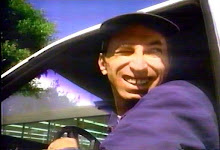
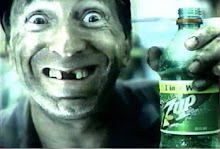
At another one, I was there for a part as a dad in a soda pop commercial. They also were casting another spot as a part of the same campaign. It was a grubby convenience store/gas station clerk who was pictured in the storyboard wearing a baseball cap. I just had this strong feeling that I had a better chance of being cast in that role. It was almost as if that rough sketch sitting there on the wall was of me. So I studied it just in case I could get them to let me read for it. Listen to your instincts.

I carry my gas station guy cap in my back pocket or briefcase for something just like this. I went in and read for the dad part, with the cap folded up in my back pocket. I read for the dad role, and I could tell they were not feeling me for this role at all. A split second before they said thank you, next. I just said, “If time permits, I would like to give you a quick read on the gas station guy part.” And I paused…they paused...then one of them says, “Okay what the heck, go ahead.” I whipped out the cap, popped it on my head, and read the tag line for the other part.

The premise was, a guy sticks a car engine oil dip stick into a pop bottle, pulls it out and runs it across his lips as if to be checking it. Then he says, “Tastes like a winner!” So I made an imaginary bottle in one hand, dunked my finger in there, and then ran it slowly across my lips and delivered the tag line with lots of energy, and then a dopey expression of approval.

The entire room of ad executives, clients, and everybody else burst out laughing. I had just brought that spot to life. I thanked them, and left. Before I even got home, I was on hold for that role. When I actually did the shoot, they wanted me to do it exactly the same way I did at the audition. During one take I grabbed the plastic soda bottle too tight and the soda came shooting out the top, which was an obvious flub, but I crammed the dip stick in there and continued on through to the tag line. That "mis-take" ended up being the one they actually used in the spot. It was too funny.

I found out later from one of the ad guys, that they weren’t going to hire me until I did that gas station guy thing. He said the entire room all agreed that was exactly the vision they had for that spot, they loved it, and that’s why they hired me.

So I learned three things from that experience. One, study the other spots and roles. Two, if I screw up on a take, keep going. I learned that in live theater, doing stand up, and also from playing songs with bands. Three, listen to your instincts, and remember this is your callback. You have some power at this point to show them something if you ask for it the right way. They are looking for a quick read, and an honest reaction, or expression. Often our actual role in a commercial is five seconds or less, so there is no time to really develop a character. We have to just be “in the moment”, or even “in the second”.

Like I mentioned, sometimes at callbacks all they want to see is if you are relaxed enough to work with all day. Most of the time, all the actors they have chosen for the callback are more than qualified to do the job. They want to see what it’s going to be like working with us. I’ve found that having a sense of humor is a good thing to have in these situations.

Not to be standing there cracking jokes, or being a smart A$$, but if you can drop a quick funny line that is related to the job, or situation you are in, it indicates that you are relaxed even under very stressful situations. Which is exactly what most commercial shoots are like. They are very stressful and there is lots of pressure on everybody involved all the way down the line. The casting director, the clients, the ad agency, the production company, and the director. You can show them that you are at ease with a little humor, as long as it’s not too over the top.

Again, a lot of it is about reading the room, keeping your head in the game, and feeling the vibe in there. A lot of actors at callback are nervous, some of them tend to run their mouths, and say stupid things. I think very carefully about anything I say in the room. Anything I say can be a reflection on the casting director, especially if it’s negative.

There were three of us for this one role in a motel commercial as cowboys. We were all qualified, very convincing looking, and all very good for the part. Usually they bring the actors in one at a time for callback, but for this one, they brought us all in the room at the same time and lined us up. When it came to my turn, the director had me do the line of copy, and then asks a leading question, wanting to see my response to it.

He said to me, “Are you a real cowboy?” “Tell me about it.” I was honest, I felt being dishonest would be a stupid move. So I said in very serious cowboy way, “No, but I can rope, ride, and shoot...however, usually I get jobs where I’m being shot at!” I put my finger through the hole in my vest. Everybody in the room burst out laughing. I booked the job. The director later said to me that they all felt I that I would be easy to work with, and seemed relaxed. He also said they liked my neck. What? My neck?

It’s hard not to dwell on the decisions and/or mistakes I think that I may, or may not have made on that last callback. “If I would have just done this, or that.” It can make you crazy driving home, or even for days if you let it. Or even worse, for those that have to live around you. Hindsight is always so clear. Just say to yourself, I did the best I could under the circumstances. Time to focus on the next one.

Even if I am convinced that I blew the audition, I just focus on the next one. Honestly, this happened to me a few times. I was absolutely sure I hosed this one callback, and then I booked it! Huh? On many others, I was convinced that I nailed it…and then nothing. We just never know what they are thinking or really want. The key is to just be professional every single time.

Every time you go on a callback, more important people have seen you and your work. The more people you see, the better the odds are they might want to see you again. Always remember, if you got a callback, you did your job, and you did it well.

A lot of us at the professional level audition for commercials from three to five times a week. At minimum, that’s 150 auditions a year. I did this in Los Angeles for 14 years. That adds up to 1000’s of auditions. I averaged only working about twenty days a year, but I earned enough from those to live on, and buy a home for my wife and I.

I lot of what I’ve written here are the audition habits, techniques, mechanical things, and rituals I would do to give myself the best possible chance to beat the competition, and win the job. No doubt, you will develop winning habits for yourself from experience. My hope is that some of the things I’ve shared here will help you.

Something I learned was to go ahead and spend the money for very expensive comfortable shoes with good foot support to wear at auditions. Being comfortable on my feet is a key element for me. Usually an audition is only a minute or two in duration. When I’m standing there for that moment, I want to plant my feet on the mark, be grounded, be comfortable standing there, and do the best I possibly can. It may sound like nothing big, but it’s not. You often end up standing around for a while during the day, but that moment when I’m standing there auditioning, I need to be comfortable, and my feet need to be feeling good. Ask any waitress or dancer about it.

I broke down, went out and got the most comfortable walking shoes, and a pair of dress shoes I could find. Most dress shoes are not comfortable for me at all, so I would get high end black tennis shoes that appeared close to dress shoes for those situations where I needed them. I got a brown pair of Rockport walking shoes, and those felt like I was wearing moccasins to me, yet they still had the good foot support. Those were very comfortable; I liked the Dexter brand of dress walking shoes also.

I played a mechanic, maintenance man, a construction worker, and other similar blue collar characters a lot. So I went out and go the best, most comfortable construction boots I could find also. The low cut ones are better than the hi-top boots. Because it’s easier to turn, and to move in them. Find a pair with good foot support, yet don't weigh a ton either. When you get to stomping around in construction boots all day, the heavier ones tire you out quickly. When you wear these, you can better feel the part, because you kind of clod around in them. They even affect your stance, which is part of the character.

It’s obvious that I never really made it big as an actor, but I was very blessed to be able to work a lot, and managed to make a living doing what I really loved to do. Just to get any work at all in this industry is kind of a miracle in itself. I was very fortunate to be able to earn a living for as long as I did.

It can happen if you are willing work hard at it. But you can't just sit there, and wait for your agent to call you. You have to do a lot of the other work, brand, market, and promote yourself like any other product out there that you see being advertised.

The feeling of euphoria when you get a big job is hard to describe. There is also nothing like the rush of walking out on live TV in front of a studio audience, (and with 20 million people watching). There is this wall of energy that hits you smack in the body. Whoosh!

If you have this dream, don't regret that you didn't try to be an actor. Even if they all say you can't make it. And a lot of them did that with me. “Oh, you’re not the right type.” “You can’t make it as an actor.” It made me all the more determined, and it should with you, if you ever hear something that. If I could offer any advice it would be to go for it if you are thinking about it, and then you won't always have to wonder...What If ?

I ended up going to Hollywood with a suitcase full of junk and $2000. To be honest, yes I was a little scared. I had done lots of regional work, but this is Hollywood, where the best in the world are. You compete with seasoned professionals for roles in everything on TV, Films, and even in commercials.

They say that Hollywood has an actor on every street corner. They were pretty much right about that. Everybody is an actor out there. It took a long time for me before I landed a really big job. It was almost a year before I hit a big commercial. The way things were going, I thought I might never get one. I had around thirty callbacks for roles, but I just couldn't seem to land the big one...and I was starting to doubt myself. "Man, am I ever going to get a job in this town?" It’s just a matter of the odds. I didn’t realize it was 1 in 83 auditions, and that most actors out in Hollywood gross less than $5,000 in earnings in a year!

Many actors who go out to Hollywood, last a year or two, and end up going back home. I couldn’t help but think, "Is that going to happen to me?" But finally it clicked, and I then went on to make a pretty decent living doing really stupid stuff, and making lots of people laugh in the process. I don't mind looking stupid if it brings a little joy into someone's life. I was surprised how many actors had a real problem with looking dumb, or doing some job that might be bad for their "image", or thought it might “hurt” their ego. Some of these people just don’t have things in the right perspective. A SAG job is a good job, whatever it is.

I realized right away I could make a living if I didn't have any hang-ups about people laughing, or making fun of me. Once the casting directors found out that I had no problem at all looking silly either, I started getting a lot of work. That's probably my best piece of advice for someone heading out to chase their dream.

One thing that was odd was that, even though I played lots of different characters, people started to recognize me on the street. I guess when you have three or four commercials running around twenty times a day people think, “I think I've seen that guy...somewhere" kind of look. It’s funny.

90% of all the work I booked was all comedy, but I did do a little bit of drama here and there. For me it was pretty rare. Hollywood saw me as a character comedy guy, and that was pretty much it. You can try and brand yourself a certain way, but the town chooses who you are. It’s up to you to recognize it as soon as possible, be able to accept whatever it is, and go with it. Most of the time your agent will put you in certain categories for auditions, and that helps you to figure out where you fit the best.

Many actors I knew would fight that premise, and as a result they would struggle work wise. Some actors would only want to do drama in feature films. Others didn’t want to do television, or do comedy, etc. Me? I didn't care. Any union acting job is a good job. If it touches someone and brings a little laughter to their day, I figure that’s a good thing.

Here’s some good advice from something Frank Sinatra said: “Be on time. Know your lines. Hit your mark.” That sounds like pretty solid advice to me.

“Sure I can play to look 40. I just grab the back of my neck and pull the wrinkles out of my face.” -SR

Friday, April 27, 2012

Now casting: Offbeat, quirky, character types. Translation: We need ugly people.


After I had built up enough credits, and joined the SAG-AFTRA unions, (now a combined union.), I made the move to Hollywood. Obviously, I wanted to do films and TV like everyone else does. I ended up booking a number of commercials during my first year there, and right away I became "typecast" as a "commercial" actor.

Which was okay, I was on the TV all day long playing various roles, and I became pretty recognizable to many casting directors. Many of them didn’t know me, but they had that, “I know this guy from somewhere” thing, and it gave me an edge.

A good commercial campaign can make a career for you. I had three that ran for over four years. I had others that aired just a few times, and some never even aired at all. I learned right away that it’s bad luck to talk about a booking until I actually see it on the air. Plus, it can really piss off ad agencies, and producers to have project information leaked before they want it talked about. You can jinx a job, and even find yourself in serious trouble. Loose lips can sink your $hit.

I got to be pretty good at auditioning, and booked my fair share consistently. It's not like we get to pick and choose roles at the working class level. Just auditioning well, a good callback, and booking work is hard enough. Doing the actual acting job seems like a reward after all of that. Not to mention the years of training that goes into this line of work. Add to that, all the running around we do for free until we book something. (Just like our agents who only get the 10% unless we book something for them.) So naturally, agents want to send out the actors who they think have the best chance to land the role. Our goal is to be that actor in that category, so we get the call before they choose their other clients that are similar to us.

But honestly, doing a lot of commercials did hurt my theatrical career. I didn't mind because a few good “Class A” national commercials with a good run, pays the bills much better than movies or TV until you get above that "earning union scale" level. Don't think I didn't try constantly, and never gave up trying...but the industry kind of chooses who you are, and where you fit in. In the acting business, in some respects it is a small town. I learned to just roll with it.

Some of my friends fought against that, and hated going on commercial auditions, because the odds are so stacked against you. They can see as much as 200 actors for a single role. The ones that fought it, lasted less than a year and went back to the mid-west. In some respects Hollywood is a very small town. The casting directors get to know you, and your reputation as an actor very quickly, so it's critical to take every audition seriously, and be professional all the time. They remember you even more if you screw up, or are unprofessional.

Taking some improvisation classes, and doing stand up comedy helped me a lot with auditioning. I figured if I can handle the pressure of doing that, regardless of the outcome, it would help me to be more comfortable auditioning.

I’m not saying getting an acting coach, or some good acting training isn’t important, because it is. You are up against the very best in the world in this business. But stand up helped me to be fast on my feet, and develop good comic timing. I was able to react to direction better, and booked a lot of jobs over the years. I never wanted to be a stand up comedian, I just wanted to be an actor that could do comedy well. Looking back on it, it helped me probably more than anything. I admit, starting out at open mic comedy nights was terrifying, but if you keep at it, you get used to it.

Writing comedy material that fits your style is difficult, and finding your stage persona isn’t easy either. My strategy was to write a different set each week, and ever other week I was out there. Sometimes I did pretty good. Other times, I got a free salad. It’s all about taking a risk.

Need some advice on getting rejected? Just ask, I'm here for you. Anyway, my Internet Movie Data Base page link is on the right side, or you can just go to IMDb.com and search on my name. I'm #1,673,592 on the star meter...really moving on up there. Was in a few films, and the Tonight Show a bunch of times.

At the end of the day, earning a living as an actor boils down to one thing: winning the job. I wrote it to help my peers. Plus, I figured I could reach more people with an inexpensive book, rather than writing a blog post now and then. (Do people still read these things?) I spent the last few years working on it, sharing my learning’s, screw ups, successes, experiences and stories. If my book helps just one person out, then it was worth the effort I put into it.

The price of my working actor book is $5. It's 240 pages. If you have an Amazon Kindle, or the Barnes & Noble Nook, the book is available there for five dollars. To find it, just search on my name, or the book title, "An Actor's Face".

I priced this book low, because I would rather you have the extra money for more important things like good headshots. There are a lot of overpriced books out there. My intent is to inform, prepare, educate, explain the realities, and help my peers.

I hope that one day you will do the same thing. Although many of us compete for jobs, at the same time, we are all artists, and I believe we should be supportive. My suggestion is to read all the books you can by acting teachers, coaches, casting directors, other actors, and anyone else who has a lot of experience out on the front lines. That's where it really means something. Make yourself as well informed as you possibly can, and don’t go to NY or LA until you are really ready.

Check out my website: ShannonRatigan.com & I encourage you to follow me on Twitter:

@Starving_Actor

I joke around a little about the acting biz, have some fun, and share acting advice, from myself, and others, (as much as I can in 140 characters anyway.) I do follow back.

“Casting: Real People For Reality Show”. Translation: We need idiots willing to go on TV for free.

Saturday, October 8, 2011

The Surprising Emptiness of Success

When I was reaching toward that first big plateau of success as an actor, I was motivated, focused, excited, and working as hard as I could to get there. But once I got to it, it wasn’t the feeling of satisfaction I had imagined that it might be.

I had spent my first 3 years working my way up from the very bottom, doing every crap paying job that came along. Many of them extra work, or cheap commercials for $100 or $300 buy-outs, and some even for no pay, just to get the credits I felt I needed to be qualified to work in the big leagues one day. That was my dream, (and my goal) to be a working actor.

After a few years, I finally got enough credits, I joined the unions, moved on out to Hollywood, and landed a decent talent agent. I felt so honored to just be able to say to myself, “I am competing for jobs with the very best in the world”. It was a huge accomplishment for me. But I still had bills to pay. Getting that first big paying job eluded me for about a year longer. It was a national commercial campaign for a fast food chain. There were only 2 actors in the spot, a former big western movie star, and myself. All of a sudden, I was appearing on TV over 20 times a day in front of 20 million people. What a rush that was. I remember when I booked the job, I threw my arms up in the air, like I was “Rocky” or something. I pounded my breasts like Tarzan. But it wore off very fast. Then, after I saw it air a couple of times, the thrill was over.

I think all actors, musicians, people in competitive careers, and even politicians, dream of success, and why not? It’s a logical goal to strive for. I never quite understood why it was that each time I achieved a new level of career success, I was left with a little blankness. It was a sort of stale feeling of emptiness, and an “okay, I got there, now what?” I didn’t quite understand it, and it didn’t make sense to me. I worked my A$$ off, I was focused, determined, shook off all the detractors, rejections, humiliations, and being made fun of. But when I got there, of course there was always this short period of euphoria. But shortly thereafter, I was left with this odd sort of empty feeling each and every time. Was I just an unhappy person? Was nothing ever enough?

Of course, my focus was to get the job. All through the years, that was my goal. Doing the actual acting work was fun, and exciting, not to mention that it paid very well. Then I would see my work air on TV again and again. Some of it ran for years. But it was almost an anti-climactic feeling. I wasn’t as happy as I thought I should be, and I couldn’t quite understand it. I had reached success, and was left feeling empty almost immediately after the job wrapped.

Each time, in my mind, I thought I had succeeded, so why this uneasy feeling about having gotten there? This is what I worked toward, right? I had succeeded, why wasn’t I jumping up and down? And why did this “flatness” set in shortly thereafter? So I would lift my head up, let it go, bear down, and move on to the next job. But every single time, that feeling I craved so badly faded very fast, once I had gotten to that perceived point of success, which was booking the big job. I had achieved what I thought was my goal, and maybe even attained some notoriety among casting directors, and even my actor peers. Maybe that success wasn’t large enough., and I just needed a lot more of them.

I figured that maybe I just hadn’t set my success goal high enough, so I would quickly move on, and get back to work focusing all my energy on the process of getting that next big job – I’ve got to work, and achieve that next success, so I could feel it again. I wanted to feel that satisfaction again. Or so I thought. After all, as an actor, that’s our job description, to get job interview after job interview. Sometimes it was 4 or 5 days a week.

This same scenario repeated itself over and over for 20 years. And there it was, after each booking. I had reached that success plateau or goal, and that blank emptiness feeling would set in almost immediately. I figured that this was just the way it was for life as a working actor. No matter how many successes I had achieved, it never lasted and it was never enough. As Mick would say, “I can’t get no satisfaction.”

I began to understand why so many actors and musicians would turn to substance abuse. Many of them would enjoy much greater successes than I, but many of them would end up on drugs, or end up in various states of depression. How can this be? Isn’t success the real goal? I have been working consistently and earning a living as an actor. I was doing what I always dreamed of doing for over 20 years…is this not what I dreamed of, and isn’t it how I define success? I thought not, and was never satisfied no matter how many big jobs I booked.

I was discussing this whole life question of mine one time. Then a wise, caring acquaintance of mine, stopped me, and asked, “When are you the most happiest, career wise?” It’s a simple question that I never stopped and asked myself. I thought about if for a few minutes, and said, “I am the happiest when I am working hard, and trying to pursue the next success.” But when I get there, I feel this blank emptiness. He said to me, “Don’t you get it? It’s the PROCESS of getting there that is the most fulfilling for you. Once you get there, there is nothing left. You got there. You reached what you were working so hard to accomplish, and now it’s over. It’s the process of getting the job that you crave. It’s like an addiction for you.”

It dawned on me that he was right. I was in my happiest state when I was working toward success. Once I had gotten there, the stale plateau of emptiness would set in again. All that work and focus was now over, I had done it. I realized that the process of getting TO each success was what motivated me. That’s what drove me, and made me happy.

In discussing this with another friend, who was not in the acting business, she said that it is true for all professions. "Success" is a vague concept, so we try to define it in terms of specific goals. Job titles, material possessions, salary, or whatever we think it means for us. Then, when we achieve those goals, it is a rush and then an emptiness. Because a goal is not a single objective, it is one of a series of chapters in our lives.

That was a real kick in the brain for me. All of sudden, I was able to put my entire acting life, and career into better perspective, and I understood what it was about show business that motivated me, drove me so hard, and what I really enjoyed about it so much.

When I started out as an actor, my dream was to work and be successful. I think that’s what many actors work toward. But in reality, it was all the hard work, and the process of getting there that really made me enjoy my acting life.

It’s rather difficult for me to share this story, because it’s very personal. It may even sound foolish to you. But if what I say here can help just one person with similar struggles in life – well…then it was worth it.

But, the real answer to this issue is that none of the external rewards will ever let you avoid that flat feeling. The only thing that does is setting small, one step at a time goals for yourself. Reaching those goals builds your confidence and also you get to keep that sweet feeling of “I did it”.

“If you want a career as a working actor you have to learn to love yourself, even if you hate a few parts of yourself.”

Check out the rest of my acting book, it's $5.95 - I know...it's a dollar more that a decent latte. But, some of it will help you. I put almost 30 years of my life into it, and I hope you enjoy the read. You might avoid making some of the same dumb mistakes I did, and even get a few laughs along the way. Lots of people will tell you how to get work, and live as an actor, that have never earned a living as an actor. I have. I suggest you read as many books by other industry people as you can, but please buy mine. I need a caffeine.

Shannon Ratigan

Copyright © Shannon Ratigan All Rights Reserved.

Sunday, August 14, 2011

Stand Up Comedy As Acting Lessons & Audition Training?

I never really wanted to be a comedian, I wanted to be an actor who could do comedy well, and I wanted to improve my acting, and auditioning skills. That was my mindset going into stand up back in the mid 80’s.

Doing stand up can lead to other good paying jobs, but more importantly, stand up comedy helps us get used to performing in front of people, as well as helping with auditioning. We need good comic timing, good improvisation skills, not to mention getting over any stage fright issues as quickly as possible, so we can advance in our career.

I don’t think you really do ever get completely over stage fright. In fact, if you do, I think you lose your performance edge. Even after many years, I would be feeling it every time, moments before going out on live TV, or on stage. I learned there is a razor thin line between fear, and excitement. All I had to do was tip it the slightest amount towards excitement, and the fear was gone. When I found myself in that situation, I would say to myself, “I am excited to go out there and do this!” I learned to channel my fear into excitement.

Just to fast forward here for a bit, when I got out to LA, I used to love hanging out on the patio at “The Bean”. (coffeebean.com) It’s a popular small chain of café’s that many actors and creative types go to and network. After an audition, a gig, or out making the rounds, I would usually stop in there to chill out.

Anyway, one day I was sitting there with a few other actors sipping some “tender coffee”. (That’s coffee with a little too much steamed milk and other flavors added in to it.) Anyway, the subject of doing stand up comedy came up. One of the actors sitting with me commented, “I tried doing it once, and it was the most terrifying experience I’ve ever had in show business”. “I never felt so all alone, and I will never ever do it again!” I shared the story below about my first stand up comedy experience that you are about to read. After hearing about that, he realized that his first time wasn’t nearly as bad as it could have been. We shared a good laugh over the whole thing. It is kind of funny now, but not so much at the time!

I explained how awful it was, but I managed to shake it off, got back up on my horse, and kept doing it. That, yes, attempting stand up is terrifying, but the more I did it, the more comfortable I was getting performing in front of live audiences. When I got up the second time it got a little bit easier, and as I kept trying it, it did get easier, and I did get better and better, more confident with it. But mostly it was about overcoming my own fears, and how much it helped me to improve my auditioning skills. That first time is always the worst, go into it expecting to fall flat, because that’s what probably will happen.

He rented a few instructional DVD’s and got back up there. A few months later, I saw him perform at an open mic night, and he did quite well. He came over and sat with me, and thanked my profusely for encouraging him to get back out there and to continue doing it. He mentioned that he had booked a very nice job, and that the stand up helped him to nail an improv commercial.

Having a set list of jokes can help you, kind of like how a band will have a set list of songs they are going to play. It helps you to remember where you are in your material if you get lost. When you are new to this, sometimes we can just go blank and forget all our material. The unexpected things do happen, it throws you off, and this is good practice for you in the world of real auditions.

Pulling a set list out of your back pocket is considered kind of tacky, and it’s a sign of a hack by most comics. But having one when you are getting started out is a good idea, to help keep you on track. I got to the point where I didn’t need it, but having it in my back pocket, just in case, built my confidence. We aren’t there to impress all the other comics anyway. We are there to improve at it, most of them know this, and have probably done it themselves at one time or another. Later on, you will find that you don’t need that set list anymore.

For most of us, the hardest part of acting, is auditioning well and getting hired. Stand up probably helped me to audition the most. Even though I had no real desire to be a stand up comic, I knew that it would teach me to improvise better, and help me with my auditioning skills. For me, the actual acting part of a job was pretty easy. I would just play myself most of the time, and imagine I was that character, in whatever the situation was. Having a good imagination and plenty of life experiences to draw from is a big part of this.

Many of the stand up comedy clubs now offer courses in learning how to be a stand up comic, so you might check into that also. These days, you can easily find DVD’s on how to be a stand up comic pretty inexpensively. Maybe look at one or two of those first.

Stand up has become so popular over the years, because the club owners only need a microphone, a sound system, some chairs, and that’s about all it takes. It’s a whole lot cheaper than hiring a band is. So comedy clubs are popping up everywhere now. Most of them have an open microphone or “mic” night. Many have a small cover charge or a 2 drink minimum now. That’s probably my fault, as you will read here in a few moments.

Consider trying your hand at stand up comedy. For me, it was the best auditioning training, as well as free acting lessons. That was why I first got into it in the first place. I didn’t want the life of traveling around the country as a stand up comic. My passion was acting. I couldn’t afford the money to take acting lessons, and I knew I would need to develop good comic timing, and be fast thinking on my feet to audition well. It really strengthened my improvisation skills, and helped me to deal with that unpredictability factor.

Of course sometimes you get the hecklers, curve balls, the unexpected, that type of thing happens. It’s all good training for you as an actor. You also learn how to write comedy. You don’t have much choice unless you are Milton Berle or something. That’s why I tried my hand at it. It was free training in the most brutal of ways. Figure it like this…if you can cope with a room full of other hostile comics, then when you go on an audition with a room full of people in there, it seems like nothing compared to that.

I wasn’t good speaking in front of people. I didn’t even like reading a report out loud in high school, so I knew I need to work on this.

I bumbled my way into it all right. I was cocky, and I figured I could just get up there and slay the audience with no real preparation. I wrote up a bunch of what I thought was very funny material, and then hit up the local open mic night all excited to wow the crowd. When my turn came up, I went up there and at first everyone was laughing at me. It was a great start. My first joke was hysterical, and I was on a roll…for about 30 seconds. Every single thing after that bombed badly. It was awful. Not a single laugh, everything fell flat. The silence was deafening.

The five minutes I was stuck up there alone seemed like it went on forever. Near the end of my time, people were saying things like, “Get out of there!” “You suck!” It was pretty ugly. I had an egg in my hand and accidentally dropped it on the stage carpet. I don’t know what the heck I was thinking. Worst of all, I really was doing my very best up there.

Like a bonehead, I had invited family members, and most of my friends, to come see my performance. My parents had passed away at that time, but I did have some cousins, and relatives. Talk about being humiliated. Even my family members split half way during my act. They were like, “We don’t know this guy!” I got stuck paying the tab for them, and I got thoroughly bitched out by the management afterwards. This was bad.

My very best friend named Tom was there, and he was a little bit too buzzed. He was a pretty big guy in stature, and he felt so bad for me, that he took it out on the comedy club john. He went into the bathroom, and completely destroyed it. I mean he knocked the hand dryers off the walls, he smashed up a urinal, broke the toilet seats, and tore that place to pieces. (He was able to dash out the front door before anyone caught him.) I had no idea that this was even going on until later on in the evening. He tore that club up for me, because of my hurt up there. Talk about a display of friendship.

The cops showed up of course, and when I saw what he did I was like, “Hey I don’t know who that guy was.” “He must be somebody with a good sense of humor.” That was probably the best line I had of the night. I never shared this story with anyone except my later to be wife. She stuck with me even after that. There’s true love for you. I knew I had found the right woman for me. A few years later, I asked her to marry me, and we have been happily married for 22 years.

I did manage to shake that entire first stand up comedy experience off, and get back up on stage about a month later. But, it was at a different club. A few months after that, I went back to that original comedy club when I had some semblance of a routine put together. I apologized for my amateur mistakes the earlier time to the management, and they were nice enough to let me back up on stage again. They did keep a VERY close eye on me though. They were all lined up in the back watching my every move. It was a bit tense, but before long I was there on a weekly basis. I did mange to get back up on my horse.

So my recommendation is obviously to watch a few instructional stand up comedy DVD’s, and get some practice first. Maybe take a class or two at an adult educational center, or something like that, before you just dive up there unprepared like I did.

Looking back, stand up did help my auditioning skills a lot. Absolutely nothing scares me anymore after being on stage in front of people who aren’t in the mood to laugh at your material. (Most of the time at open mic’s the crowd is just other comics, and their friends.) Now the pressures of an audition seem like a cake walk. Call up your local comedy club and see about their open mic night, because I’m sure you are totally psyched about it now.

Seriously though, the more I did it, the better my audition skills got. Be realistic about it, and keep things in perspective. You’re going up there to better your acting skills, timing, and maybe see what you can do. You might end up liking it. I did, even after that. I love doing stand up, it’s a tremendous thrill when you do well and you are bringing laughter and joy to people. Especially the way the economy is right now. People need a laugh now and then, even if it is at you. It’s still depressing when I write a routine that falls flat though. Sometimes the same exact routine will bring nothing but laughter, and with a different crowd another time, it will fall flat. Go figure.

When I got to LA, I discovered that casting directors, talent scouts, and show producers go to comedy clubs to scout for talent. I guess they figure if you have the courage to “tough it out” by yourself up there, you are probably good enough to consider hiring. I was able to get a few jobs that way. Think about all the comedians that have starred in their own sit-coms over the years.

Even though I didn’t really want to be a comic, I felt it was important for me to only do “clean” comedy. I admit it’s a whole lot easier to get up on stage, drop a few F-Bombs and get some cheap laughs. The networks, casting directors, and industry professionals are not going to be all that impressed if you do that, because anyone can do it. That doesn’t work very well on TV either. (Well, I guess it does on a few cable networks.) Writing and doing clean humor is a LOT harder. Most often, it’s the hacks that get out there and use lots of expletives.

The older, classic comedians couldn’t even come close to saying anything profane on radio or TV. Granted some of them had writers, but many of them did not. Study a few of them, and watch how they moved, their timing, and expressions. Watch how they use voice inflection, gestures, and how they wait for the laugh. My suggestion is to learn how to do clean comedy if you want it to help you advance, unless your persona is going to be like “Dice Clay” or something.

Jack Benny was one of my favorite comedians. Many of the comics to follow imitated many aspects of his original style. His radio and TV career spanned a thirty year period starting in the late 1930’s. He created this stage persona that was brilliant. I used to study his old TV shows, and watch how he could get this amazing thunderous laughter with just a simple expression, a gesture, a single word, or a long pregnant pause. He had these dead pan facial expressions, gestures, and this comic timing that was unbelievable. He could sing, dance, and play the violin very well, but the stage persona he presented, thought it could, but couldn’t. He was able to pull off appearing untalented like nobody else could.

He created this character for himself that he was a pompous stingy miserly cheapskate, that was also an insecure and untalented braggart. All of which wasn't true in real life. Even though that was his stage persona, it was also an endearing, very likeable, and even admirable character that he played. It even possessed a certain kind of vulnerability. His on stage persona never was allowed to grow over the age of 39. He was 39 for 20 years! LoL. The rest of the cast would work off of him, and he would usually be the brunt of the joke. It was a brilliant stage character persona. He was also one of the first to break down racial stereotypes. You can often catch a few of his classic TV shows on the cable channel, “Retro” on Sunday nights, and also on a few other channels.

I remember watching an interview where he said, “Everything good that happened to me, happened by accident.” Sometimes that’s just how it goes in comedy, and in the acting business.

Here are a few tips on doing stand up that I learned the hard way, and also a few I figured out over time from watching other comics perform. I noticed that almost all of them fall into one or more of these categories, and adjust their personas to fit. One thing to do is experiment, try a few out, and figure out which style fits you the best.

Here are a few of the more basic comic style examples: “I’m a Victim”, “The Poor Me Syndrome”, “Sarcastic”, “Angry comic”, “Shy and Timid”, “The Opinionator”, The Impressionist”, “Prop comic”, “Egocentrical”, “Political Humor and/or Satire”, “Doing Characters”, “Song parodies”, and the “Observationalist”. I’m sure there are a few more, but those are most of the styles I observed, and at least it gives you an idea. I think the best approach is to add a few of those different elements into your stage persona as it evolves.

Whatever you choose to do, don’t overdo it, just be yourself, and act naturally. Audiences can tell when you are overdoing it. Most all good comedy is based on truth, and emotion, so if you are dishonest out there on stage, they can sense it. Use your truth, and it will likely become the basis for your persona and material.

Try to incorporate your life experiences and individual personality, that’s what makes you unique. Your quirks, delivery style, timing, and finding your “voice”, are things that come form experience. And you get that from doing this a bunch of times. Find out what works for you, and what does not. Believe me, it’s pretty easy to find out when something isn’t working! We are all different, and trying to discover your own comedy stage persona is a good first goal.

I think the hardest part of doing stand up is the writing part. That’s why so many comedians have a writer, or even a team of writers. There’s only one way to get better at writing. You keep on writing, shaping, and editing, and then write some more.

Writing materiel that creates funny visuals in the audience’s mind with words, always worked well for me. And if I could make them feel an emotion, that helped to get laughs also. We as comedians, always over exaggerate things to make them funnier. “I had to pee this morning for like an Hour!”

If you can manage to create funny sounding words or sayings, that works also. The “callback” is a common but effective gimmick to use in your routine. That’s where early on in your comic “set” you do a bit, and then later on you recall it as part of another bit. When we perform, we want to be living in the moment, and not living in the present. There is a big difference between the two.

The opening ten seconds of your routine sets the tone for the rest of your entire act, and for the audience, so it needs to be strong. You need to grab on to them early on, or you are screwed. The ending of your show needs to be strong as well. You want to leave them laughing, and wanting to hear and see more from you.

Anyway…here’s an example of how doing stand up led to some good paying work. I started doing it mainly to sharpen my comic timing, and deal with the unexpected. I got to the point where I was pretty respectable at it, but not great consistently. I didn’t want to just write a routine, and do it over and over. I just didn’t want the lifestyle as a comedian. I had gotten to know a lot of them, and I knew pretty much what the road life and touring was like. Plus I toured for a little while with a few R & B, and rock bands. So what I liked to do was write a new routine each week. It's pretty risky. Because sometimes I would tear it up, and other times I would totally bomb out. I just felt like doing the same routine over and over was boring. That’s not what I was up there for anyway. Believe it or not, bombing out is a positive thing, because it helps you to improve. It just feels like crap at the time.

When you are lucky enough to get some critique or criticism, it’s easy to get defensive, or feel negative about it. Try to remember what it was, and use it to help you improve the next time. Usually it’s meant to help you do just that anyway. There are occasions where it can be a bit vicious; we have to just shake it off.

One time at this big name comedy club in LA, they were having this big comedian contest with a big prize. It was a guest starring role on a popular sit-com. Man that's a sweet prize. I did my very best, but I just wasn't on that night. Sometimes that’s just the case. I was a little out gunned also, most all of the best comedians in town were in there trying out as well.

I knew I hadn't done well, and I was feeling pretty awful as I left the club. Another popular TV show happened to be auditioning comedians on camera outside the club in the parking lot for something. Some guy who had seen me in the comedy club saw my performance, and followed me to my car and asked me to audition. I really didn't feel like it, I was feeling like $hit. But I was flattered I was even asked to do it. So I shook it off, and did a few of my stand up bits.

The policy of this particular show was to tape you, and if the producers liked it enough, and aired it on the show, then you would get union scale, if you were in the union. If not, you got to be on TV, plus got a salad shooter, and some press on nails as a prize. Of course people will do just about anything to get on TV for free now! I'll be doggoned, because they had me on numerous times during two seasons of episodes. The show was “America's Funniest People”.

I was lucky enough to work on the classic Gong Show a few times also. They had to really like your gag if you were a union member, because if they used you on the show it paid union scale for the day. At the time these kinds of shows were advertised in the trade papers like Dramalogue, and Backstage West. (I believe The Backstage paper later bought out the Dramalogue). And you could audition for it without an agent, once a week right at the CBS TV City Studios on Beverly Blvd. You would just write up your own comedic sketch, or routine, and go audition for the show. You were allowed to do two different bits at the audition. I was able to get on there about a half a dozen times out of about twenty tries. Working on that show was an absolute blast. Getting “gonged” was hilarious, and that show is among some of my fondest memories.

These kinds of TV shows were a great way to supplement our income, and we could do them on our own with no agents. I would run into a lot of other character actors over and over at these auditions, and it was kind of funny. In the holding area, we would have these unusual conversations waiting to audition, "So, what did you come up with this week Charlie?" "I'm going to be Jaque Cou-strap this week." The guy played the piano and sang a parody song with a jock strap over his face. Murray, the unknown comic was one of my favorites. He was always very cordial, and supportive to the rest of us. Not to mention funny. He even sat in the audition holding room area with that paper bag over his head. The guy was a crack up. He was one of the innovators, (cool), not someone who copied the others, (hip). He got to the point where he was so popular, he didn’t even need to audition, they would just put him though once he showed up.

Obviously, doing something like this was not your normal kind of a job. When you were hired for the Gong Show, you would hang out in this huge lunchroom size waiting room with all these bizarre people in weird costumes and crazy props. They were all waiting to appear on the show also. What the producers did was shoot five episodes of the show at a time in one day, and it was on a Friday. So this huge room was packed with 100's of these crazy people, and all of them would be going berserk practicing. All of them going off, and rehearsing their routines, it was madness! It’s kind of like you see at the auditions and screenings for shows like “American Idol”, and “America’s Got Talent” or something. You’re in there with these huge crowds of people that are way too excited.

If you drew working in the last episode they were shooting, you could end up sitting there for hours. I felt a lot of sympathy for some of these people waiting to go on the show, because many of them really thought this was going to be their big break in Hollywood, and that they would get "discovered". Most of them ended up with their dreams crushed, getting Gonged up big time. Some of them were just delusional about their talent, and were genuinely devastated when it happened to them. Some people that couldn’t even sing a single note in tune, must have gone through life with everyone telling them what a great singer they were. I always wondered when I watched the earlier version of the show, if some of these people really were “for real”. As it turned out, a lot of them were. It really did happen, and I felt kind of bad for them when reality finally arrived for them. You see it to a certain extent on the Idol, and at the AGT auditions.

Most of us "regulars" just wanted to get on the show, do something funny, and then get gonged out. Then after the gonging, we would get to crack a comical joke with the host. That part was always improvised, so you never really knew what the host was going to say. You had to have a few things ready to go, or be fast on your feet. The show was taped in front of a live audience, so it was a bit of a rush. Some of us live for this stuff.

That was it for us, just get on the show, do a comic bit, get gonged, and get a decent day’s pay. One of my best lines after I was gonged was when the host said to me, "Well, the panel gonged you." (Weird AL got me that time) I quipped back, "That's okay, and I’ve seen better panels on the interior of my Chevy van." It was a pretty good line, and everybody in the audience cracked up. Again, we got scale if you were union. If not, another salad shooter, and a case of cereal. I loved working on that show. Weird AL hooked me up later with Jeff Foxworthy to be the redneck on one of his shows. How cool was that? Being gonged isn’t all bad; it led to a few good jobs later on because he remembered me.

These days, when you do perform in comedy clubs, a lot of them can provide a DVD or video CD of your set. They also do charge you for it, (usually it’s in the $20 range), but it is worth its weight in gold. With most comedy clubs if you ask them for a video, they will do it for a price. Some even do it for free, as a gesture of support and kindness, after they get to know you. They know what we go through up there on stage, and after all, we are helping them put on a show. So asking for a video does work, after you have been there a few times. I always bring along a few blank DVD’s in my car, and offer to let them use it. Many of them have the facilities to record them, but often don’t have extra blank DVD’s. (Or are too lazy, and will say that as an excuse.) Once you have proven yourself, getting a video is a lot easier to do.

If you have a good stand up comedy clip you can use your actor demo reel, that’s a sweet bonus, and looks very good on there. If nothing else, you can watch how you did, and see what you can improve on, as well as remember what you did well.

If you are getting serious about this, at some point you are going to have to spend some money and get with a good acting teacher or coach. Something to keep in mind, is that many failed actors end up becoming acting teachers. I think finding an acting coach is a better idea if you can find one near you. It just depends on where you live. The things I learned from acting coaches stuck with me more than the things I learned in acting classes did. As a newer adult actor, some of these acting classes can be a little bit intimidating and even overwhelming for you at first, but dig in, and try to hang with the rest.

In some areas of the country, there might not be any good acting coaches near you. So an acting class is really your only option, other than watching a few DVD’s. You need live acting training to grow as an actor. If you can find an acting class that is made up of other newcomers who are also serious about becoming adult actors, that sounds like a good class. You want to avoid the ones that are filled with dreamers, hobbyists, and people that are just dabbling in the field. Like I mentioned, most of them will let you sit in, or audit one of their classes first. Then you can make a more informed decision. Do some research first, and be sure you aren’t over paying for this, because it happens a lot.

A good coach will serve you better at that level. I learned more from them than I ever did with all the acting classes I took over the years. They tend to work with you individually, and on your particular weaknesses. That helps you to grow much faster as a professional actor.

These days, you don't have to rely on guess work anymore, or the opinion of one actor saying this is a good acting teacher, or on someone else. You can just do a search, and Google them and see what's up. Search your city and the key words "acting" and " teacher" or “classes”, and see what is around you. Look for reviews and opinions written about them, to help you make up your mind.

Talk to as many actors, and industry people in your area as you can find. I never took a class where the teacher wouldn't let me at least audit one of their classes first to see if it was right for me. If they won’t let you audit one, something's wrong. If you are starting out, or even experienced, you need to be constantly training and working on your craft.

I did community theatre when I couldn't afford acting classes, just to stay sharp. I still believe the best way to learn, is to do. We are all as different as our fingerprints, so no matter how much training you receive, you still have to adapt it to your own individual style and personality.

Try to figure out ways to get as much live improvisation experience as possible. Many of the smaller art centers, and adult education centers offer some inexpensive basic acting classes, and probably even some stand up comedy classes in your area. I took a few classes in adult education at a facility called The Learning Tree when I was in LA, and they were pretty good. They were taught by experienced actors, and/or comedians. They help you with a lot of the basics, reading scenes, auditioning, improvising, writing material, timing, and lots more. At the finish of this one comedy course the entire class went to a comedy club for a live performance.

If stand up is something you just plain don’t want to do, consider joining a comedy improv group. Most of them do cost money, but it’s worth it for the training.

At the end of the day, earning a living as an actor boils down to one thing: winning the job. I give you info about increasing your odds, and putting yourself in the best possible position to get hired.

I earned a living for two decades as an actor, and I just published my book about it. The things that worked, and the mistakes I made, that I learned tough lessons from. In it, I share ways to audition better by being more prepared, to gathering information that will help you get the edge on the competition, and book more jobs. I discuss common sense ways to acquire the best possible tools at the lowest possible costs. Things like how to have the most effective headshots, resumes, websites, and optimizing everything else including your online presence. I share low cost ways to get experience, and training. I mix in a few of my personal acting, and casting anecdotes that I hope you will find interesting and/or amusing. I priced my book low, because I wanted to share my experiences, and help fellow artists.

Please consider picking up my recently published 240 page book titled, "An Actor's Face, Audition, Casting Advice, And Anecdotes From A Working Actor". It's available for $5 only at the Amazon Kindle book store.

Lots of practical advice, casting, and auditioning tips for comedians, and actors who want to book more work. Also for actors who are making the big move to NYC, or LA, to pursue their dream as an actor, as well as for people who are thinking about breaking into the business.

Anyway, Break an Egg!

Shannon Ratigan

Copyright © Shannon Ratigan All Rights Reserved.

Saturday, June 18, 2011

My Audition Routine For Commercial Castings

When I got to LA, I had quite a few commercials under my belt, but I knew I needed to find a way to get a leg up on the competition. After a couple of months of auditions, I had met a few of the bigger commercial casting directors. I approached a few during off hours, and offered to intern for them. I wanted to get a little “inside baseball”, and see what their job really entailed. I wanted to see their day was like, and from their perspective. I also wanted to see if I could watch some of the other actors audition. I figured that would give me an edge.

I was honest and up front with them, I said, “I’m not trying to get on the inside track for auditions with you, I want to learn how your work day goes.” “I’m willing to work for free for a few weeks, do whatever grunt work you need done, and run your errands.” One of them said okay, if I was would keep my mouth shut, and stay out of the way in the audition room. So I got run pretty ragged doing all kinds of things, but I learned more from the experience of being in the audition room than from anything else.

I was amazed to see how many actors would come in unprepared. Some come in that had no idea what they were really doing. Some were arrogant, or had chips on their shoulders. Some simply couldn’t hear, and react to, direction when it was given to them. Some were just plain too nervous, and would start running their mouths unnecessarily. Many of them had their auditions deleted from the audition tape, and they never even knew it.

Then there were the professionals. They were the ones who stuck out like sore thumbs in the bunch. They knew exactly what they were doing. They listened to direction, and were just “in the moment” being themselves. They were letting their individual personalities out, following direction, and being creative. Those were the ones the casting director wanted the clients to see. It was a real wake up call for me.

In addition to that, I had no idea what casting directors go through in a “normal” day. They are fielding phone calls from producers, directors, ad agencies, and clients changing up the copy. They are auditioning actors all day long, often without even getting a lunch break. There are calls coming in form agents, and even actors who are going to be late. They are also dealing with breakdowns for other jobs, and have to make preparations to cast those. Their average day is utter madness. By 4 pm, they are pretty worn out. I never realized how much work they actually have to do. I figured they just sit there and audition actors. Knowing all of this was very helpful, because if I went on an audition and the casting director was a little snippy with me, I had a little bit better understanding why.

All of this taught me how to be able to “read” a room better when I walked into it. I became much more sensitive to what they go through. Most of the time, they are friendly and supportive to us. But if I came in a room, and they had some kind of negative energy going on, I didn’t let it affect me personally. I became one of the pro’s who walked in the room, listened closely, made strong choices, owned it, was always polite, and left the room promptly. I didn’t want to be that “deleted” actor.

So, summarized, here’s my commercial, and/or theatrical audition routine: When I get the call from my agent, the first thing I do is make sure I don’t have another audition conflict, or any direct product conflicts. If I have anything else non-acting related going on, I cancel or reschedule it. I want to always be that actor that when they call me, I will be there no matter what. If you are late to an audition; the casting director will figure if you are late for the audition, you might also be late to the set. So unless you have a broken leg, or a family emergency, no excuses, be on time. If something like that does happen, call your agent right away. Most of the time, your call can be rescheduled if it’s a real emergency.

Just as a side note, when I got my first smartphone, I noticed that when my agent called me for an audition, and that the sides were attached, I didn’t see any attachment. I was going to call them, but I figured it would be best not to bother them until I was sure. When I got home, I checked the email on my computer, and there it was. I spoke with a few of my other actor friends about it, and sure enough, some brands of smartphones don’t show the attachments. So check it out on your computer first, before calling your agent.

I do get some rush call auditions, but most of them are scheduled for the following day, sometimes two. I don’t know how it happens, but auditions always seem to come up around rush hour. They’re at 9 am, or 4:30 pm, where you would run right smack into it.

It’s rare, but if I do get to pick an audition time range, I go for the earliest possible time. For some reason the early actor tends to have a better chance at booking the role. I think they may just get tired after seeing the same thing all day. Go for early if you can pick an audition time.

Most of the auditions are scattered around a 25 mile radius in Los Angeles. So no matter how centrally located you may try to live, you often still end up with a long commute. They are where they are.

If the agent emails me the storyboard and script, I go over it and think of three or four different reads I might use, that may not be the first and most obvious ones. Then the next day I revisit them, and go over it again. How is the commercial’s message being conveyed? How do I fit into it? What is the product, and how are they selling it? If it’s a film, what’s the theme?

Most of the time, there are no sides beforehand. It is just a type they are looking for and I have nothing much to go on except for a time, and wardrobe suggestion. Often it’s just something very generic, like a construction worker, taxi driver, fisherman, or a dad in a polo shirt, etc.
Fine, I have lots of junk in the trunk, just in case they have gotten the roles mixed up. (It happens.) Maybe I might get to try out for a different role I think I might be better for, whatever it may be, I’m ready for it. I might also be able to get another audition for something else while I am there at the same facility I am going to visit.

Having various wardrobe changes with me, saved me numerous times. I also have plenty of extra headshots, different hats, and eye glasses, just in case. I’m ready to change it up completely if I need to. (If I do choose to wear glasses, I slate with them off, and put them back on for the reading. That way I can show them two looks.)

I make sure I am wearing no colognes or other heavily scented things, which some casting directors might be allergic to. Then I put on the most comfortable shoes I have, and suit up in my wardrobe for the audition. (Or I have it ready to do a quick change in the car when I arrive.)

I like chewing bubble gum. Always remember to take it out before you go in for an audition. Directors hate it when actors are auditioning and chewing gum. I got busted once, and that was it. I never made that mistake again. Plus, there was no place to spit it out, so I had to put it in my pocket. I forgot it was there, and my pocket was permanently gooed shut. What a mess. But it served as a good reminder.

I eat a small meal before I leave the house, so I’m not starving when I arrive. I don’t want my stomach to be growling. LoL. I have fluids like Gatorade, or bottled water, and some cough drops in the car for when I get there.

I leave early enough so that even with a traffic jam, I will arrive there at least 30 minutes ahead of my audition time. The same for call times on the set as well. Then I can get as much information as possible prior to my audition. They also might spring some dialog on me, and then I at least will have some time to work on it.

When I arrive, I take at least five minutes of quiet time just to gather myself, and calm down from the drive. If you like to say a prayer, or anything like that to help you get your mind right, then you have time for it then, and you can do so.

I stay away from drinking ice cold beverages, because it contracts, and affects my voice. I avoid anything with caffeine or sugar in it. Chocolate gives me a sugar rush that makes me appear to be nervous, so does caffeine. I avoid that, and any candy that is sour, or eating anything spicy before my call. My throat is part of my instrument, and I need to keep it in prime working condition. If anything, I take a honey cough drop 15 minutes before auditioning. I learned that one from a radio broadcaster.

I always go in way ahead of my call time, so I can gather some more information about the audition. I look at the casting area and size it up. I look at the sides for my part, and all of the other parts as well. If there is a storyboard on the wall I study that. If there are boards up for related spots they are casting, I study those as well. It gives me a better idea of the direction of the commercial campaign, and I might want to hint towards one of those.

If there is another spot they are casting at the same station, or another role I think I might be better suited for, I study that closely. I might want to wear an article of clothing, such as a mechanic shirt underneath my businessman shirt. Then I can easily transition in seconds to the other role if the opportunity presents itself.

I observe all the other actor types that are out there waiting to audition for my part, and try to speak with a few as they are leaving the facility. I try to gather any information about the audition that I can. Sometimes I need to talk with a few different actors to get some decent intel on the audition.

For example, how many actors are they auditioning at one time? How many times did they let you read for the role? Was it on camera? Is the casting director, or are the clients in the room? Was there a rehearsal before the audition? What did they have you do for it? Obviously, you are not going to get all that information from one actor, so I usually speak to a few, catching up with them as they walk out to their cars. This is why I need that extra arrival time.

I return to my car, digest all the information, make adjustments to my wardrobe, my look, and think about some different reads I might give. More often than not, I end up throwing all the reads out and go with something else when I get in the audition room. If my instincts guide me in a certain direction, then I go that way. But at least I am prepared to deliver something strong, if there is no direction given. Many times, there is none, and they want to see what you as the actor will bring to it. If they do give me some, I take it.

I make every effort to go into a room with nothing but a positive mindset. Anything that’s troubling me or negative, I push it out of my thoughts. I leave it at home, or in the car. To help me get into the right frame of mind, I say to myself, “I love, and approve of myself.” I repeat this three times. (And you have to really mean it!) As I do this, with my left hand, I tap my right hand area just above the thumb, right on the flat area where my hand meets my wrist. I just lightly smack it about six times with my left hand index and middle fingers pressed together. I learned this from a very close friend that is one of these “new age” types.

She explained that this is one of the body’s Meridian points. I thought to myself at the time, “Man this sounds like a pretty stupid idea.” But I went ahead and tried it at my next audition, and, as odd as it may sound, it helped me. I was always a bit self conscious, and it helped my state of mind. You have to learn to love yourself, and like who you are, as hard as that may be sometimes. So doing that is a part of my pre-audition routine. If there is something that I do, or try out and it works, I continue doing it next the next time at the callback. But I always go in ready to make adjustments. We need every edge you can get in this line of work.

When I get out of my car, I do some stretching up against it just like an athlete, or a jogger does. I want to get my body limbered up for a little acting exercise. I exercise my facial muscles and my voice a little also. Other actors parking and getting out of their cars nearby look at me and think I’m some kind of a nut, but I don’t care. I am there to do one thing, out shine the competition, and win this job.

When I do get in the room and sign in, I do everything I can to stay relaxed and focused until I get into the room. Sometimes we can be stuck waiting there to audition for as long as an hour or more, waiting for our call. I don’t get pissed off, or get an attitude about it. We are all in the same boat, some actors handle it better than others. As frustrating as it can be, I try to be disciplined, and just be patient. It is very hard, because it is almost always loud with all the other actors yakking away in there. Many are blabbing loudly into their cell phones, like this is some sort of a social gathering. It’s a job interview, and I treat it that way. This is all business.

About twenty years ago the “size sheet” appeared on the scene. Casting directors almost always have you fill one out before auditioning, and you give it to them with your headshot. It’s kind of annoying, because when you get a callback, they have you fill out the same stupid form all over again. The obvious things are on there, like your eye and hair color, weight, and various clothing sizes. Also your agent, your contact information, and if you have any conflicts on the product. Be honest about that one, you shouldn’t even be there if you do.

But at the bottom of the page there is usually this little box that says, “Are you willing to do extra work?” My advice is to don’t ever check yes on that one. Many times the producers want to hire you as a principal, but they know the rules, and might just use you as an extra on the job instead. (For more on this, read the chapter on unions.)

Sometimes for these auditions, we would end up sitting there for an hour or more. According to the SAG rules, if we are kept waiting longer than an hour, we’re supposed to be paid 30 bucks or some silly amount like that. But not many of us ever pursued it, because if you did…you probably weren’t going to get an audition for that particular casting director again. (And most of them know that.) So if they ran a little late, we just had to deal with it, and keep our mouths shut. This is not a battle that’s worth fighting, for thirty bucks.

Often when I am at my particular casting, they would also be casting two or more roles, or maybe even a series of commercials at the same station. I really liked the ones that would post storyboards on the wall for each one. It gives us a much better idea what the ad agency’s vision, or concept was. Many of them don’t, because some aren’t exactly sure what they even want yet. All of them would usually have a script for us unless it was just a “look” thing that they were casting.

I found that it’s important to study all of the roles I might be appropriate for, and even learn some of them, just in case. I can’t tell you how many times I was hired for a different commercial than the one I was actually there for. Especially at the callbacks, be sure to study all the parts. Often, after auditioning for the role I was there for, I would say, “I would like to give you a quick take on the other role for such and such”. Just don’t ever phrase it as a question. “Can I do it again?” Answer: “No.”

This one time I was there as a dad, and I saw they also were casting a car mechanic spot. That’s something I played a lot, so after the first audition, I pulled a blue mechanic hat out of my back pocket and put it on. I said, “If time permits, I would like to quickly read for the role of the mechanic”. It worked, and I got the role, so keep an eye out, and study the other things they are casting.

Trust your instincts, they will guide you. If you feel you are better suited for another part, you might be right. Plus, it gives you a chance to get more time in front of them. I found out that with many of these commercial campaigns, they only have a vague idea of what they want. If you walk in, and give them your interpretation of it, and nail it – you’re in. Some other spots are cast in stone, they know exactly what they want. If you can walk in the room, and be that image of what they had in mind, you’re probably getting that job.

I don’t want to create any kind of negative energy prior to going in for my audition, but if someone is overly loud for an extended period of time in my audition group, I will ask them to please tone it down a bit. I’m here trying to get a job. I try not to do this unless it is absolutely necessary, because some actors I’ve met at this level, have a real chip on their shoulders and don’t care about anyone else but them.

Most of the time, I tune it out any way I can, and stay focused on the job at hand. I use my mp3 player if need be, to white out some of the noise. The music I play is something instrumental so I can still stay into things, and not be overly distracted by it. (Back in the day, it was a CD player, and before that a cassette player!)

Other times to get away from noise, I will just walk away to the far side of the room so I can be alone. Even if everyone else in the room is loosing their heads, keep yours on. I don’t talk to the other actors, unless it’s a scene that needs to be rehearsed with a partner. Try to find a compatible one. As far as chatting with other actors, other than perhaps a quick reply to a question, that’s all I want to do. During my pre-audition routine and warm up I don’t want to talk. I don’t want to be rude to my peers, but I don’t want to be distracted, loose focus, or my concentration either.

If someone does want to talk with me, I just politely explain that I am focusing on my audition right now. I will be happy to speak with them afterwards. Some actors cop an attitude about it, but I am there to work. I move and find another seat if I have to.

Inevitably, at many auditions, you will hear someone loudly boasting about all the wonderful jobs they have done, implying how great they are and that you don’t have a chance against them. Some of them are just knuckleheads, but others are trying to get inside your head. They try and get you depressed and/or thinking that you can’t win against them. It can get to you if you allow it in. Don’t fall for that crap. It’s usually their intention, or they just need some attention, because they are probably weak themselves. Many of these characters can talk a big game, but in reality they probably haven’t done much of anything. Don’t let those big egos get to you in there. It affects your confidence, and your audition.

I’ve seen a lot of mind games, and attempts to intimidate others going on in the waiting room, especially at callbacks. Some actors will try to psych you out in the waiting room, and they love trying to do it. Some even get off on it. Unfortunately there are some people like that when you get to the professional level.

Other times it’s done in more subtle ways with things like glaring at you, or just body posture. If you are sitting there all nervous about it, and someone else is sitting there confidently, relaxed and ready to go, that’s not good for you. I admit, I have been in both of those seats. Solutions? The same as before, I turn on my mp3 player, or I go to another part of the room to get away from it. Mostly I just try to tune it out however I can, and get my focus back on.

I pay attention to the two actor’s names that are on the sign in sheet just before mine. Then I know about how much time I have before it’s my turn. It’s part of being ready, and prepared. I don’t want to be surprised, and not be ready to go in, when my name is called.

I’ve learned to breathe through my nose, and not through my mouth as much as possible. A doctor explained to me many years ago, that more oxygen can get to your brain that way. This helped me with auditioning a lot. I breathe like this until it is time to speak. As simple as it may sound, it takes some practice to do it. Normal breathing helps you to be more relaxed.

One way I learned was bicycle riding. I would close my mouth and breathe only through my nose. It’s hard at first, but if you practice it enough, you can master it. Many professional athletes do this to build up their cardio, and endurance. It’s a way to give your body more strength when you need it. Breathing normally under stress is a skill that takes a lot of work to master. Relaxation and breathing exercises help to keep my body centered, and grounded.

When I know it is about five minutes before my audition, if I’m sitting, I stand up and move around a little bit to get the blood moving and flowing throughout my body. Otherwise, I go into the audition a little flat, and with less energy, and by then it’s too late. (It happens after you come out of the room, and it’s not going to help you very much then.)

I look for a private spot and stiffen up each limb of my body really hard for a few seconds, and let it relax. I focus and think about that body part as I do this. I feel the muscles tense up, and then relax them one at a time. It helps to get my blood moving. I do this with each body part, my arms, my legs, my hands, my feet, my neck, and my abdomen. Then I repeat the process up to three times. It takes me two minutes maximum to complete this.

I also do some facial exercises to limber up my face, like making different expressions. Warming up my face is important because usually the audition involves expressions of some kind. I limber it up like I would before doing any other exercise. I stretch my lips a little, move my tongue around some, and limber up my jaw bones. People do give me some strange looks, but it’s what I like to do before going in. I look a little strange anyway.

Nobody can really see what you are doing, if you are discreet about it. You don’t need to move from a standing, or a sitting position. When I can, I prefer to stand. I find that doing this relaxes my body more, and I am more prepared.

When my name is called, I walk in confidently, set my briefcase inside the door, and head straight to the mark unless otherwise instructed. I don’t look down to see it, I can feel where it is based on the room, the set up, and the camera’s position.

They sometimes offer me a little direction, prior to an audition. I listen to it clearly, and give the logical analytical side of my brain a moment to digest it fully. That allows me time for my creative intuitive side to be freed up, to come up with something. But I have to listen clearly and absorb the direction. I take a moment to let it sink in and process it. Sometimes that is easier said, then done. Like I mentioned, so many actors aren’t able to hear direction, and act on it, in stressful situations. I give my brain a second to catch up to my body. I don’t ever rush it.

When they ask me to slate my name, I say it clearly, and with moderate projection. It does not tail up in pitch, or down, it is just a clear confident statement of my name. I am proud of who I am, and what I am doing. Without being asked, after a second or two, I turn right to profile one beat, then left for one beat, then back to center, and hold. A mistake I saw many actors make was to beam a fake smile or some other stupid expression after the slate. I just hold it with a look of confidence, but not arrogance.

The camera person will usually stop us after that, and then queue us to begin the reading. It gives the impression that I have been there so many times, that it’s a reflex.

There may be some direction before or after I slate also. I do the same thing, listen and absorb it, so I can follow it. I at least use it as a guideline. I may need to just toss out all the reads I had planned up to this point, but that’s okay. I was prepared a certain way, but I am ready for something else completely different if need be.

Sometimes when we are standing there on the mark, they will ask us if we have any questions about the audition, right up front. I am usually ready to go, but if I do have one, I ask. Sometimes I am not clear on something, and I ask. Better now, than screw it up and regret it later.

If they ask me if I would like to do a rehearsal first, unless I am feeling unclear on something, usually I say no. Unless I am feeling uncomfortable with my choice, or there are other actors auditioning with me, and I want to get a feel for blocking the scene, our timing, and chemistry, I will say, “No, I prefer to get right to it.” I came in that room ready to go, and I want to if I can. I keep my focus better if I can get right to the actual audition straight away. If I am with a few other actors I try to give them a nod to, “Let’s just do it.”

I find that my first take is almost always better than my second one in an audition situation, so I don’t want to burn a good one up, and loose it as a rehearsal. When I’m working on the set, of course, that’s a totally different situation.

I try to give a read that is not just a safe one, or the most obvious choice, unless I’m otherwise instructed. Most of the actors I saw audition, would take the safe or obvious read. I want to stand out from the crowd. I usually go with my first instinctive feel on it. I try to dig deep for a risky and different one that the others may not have thought of. More often than not, my first impression it is the best one. It took some experience to get there, and just trust my instincts.

When I finish the first read, if I have what I feel is another good take on the spot, or other spots, I say that I would like to do it quickly another way if time permits, and then I pause for reply. If it’s a no, I thank them and leave. If it’s a yes, I do it to it. If I get a chance to do a second read, I make the most of it. Often I will get some direction, casting directors and directors love an actor that can take some direction. If there is none, I try to have something completely different ready for them. Our job is to roll with it.

After I am done, I thank them for their time, and leave, (Not forgetting my briefcase on the way!)When I do leave, I try to let it go. This whole thing is now out of my hands. I did my best under the circumstances, and that’s all I can expect from myself. Even if I feel I made a mistake in there, I need to just let it go. It is time to focus on the next audition.

Just don’t ever try to “crash” a casting. Even if it looks completely disorganized, and you may think you can slip in unnoticed, they will find out later on from the tape. They also keep records of all the actors they are seeing that day. Asking to audition is okay, but crashing one really pisses casting directors off. I did it a few times at the nonunion and union level, and burned myself with a few casting directors as a result of it. Don’t crash, you will get busted and not even know it. It’s not worth the risk to your reputation.

When I get back to my car, I relax and process the whole thing for five minutes before starting it up to leave. I treat myself to something nice if I have the time. A decent lunch, some coffee, or just chill out in a relaxing spot for a little bit. It takes the edge off, and reduces stress a little. Then I head home, and try not to dwell on the audition, as tempting as it may be. What if I had done this? Or if I did that? Or, I should have done it this way…let it go. There’s nothing we can do about it, and beating myself up for a bad choice doesn’t help. Maybe it wasn’t a bad choice after all? Sometimes I think it was…and then I get a callback.

I try to keep things in perspective. There is no way to really predict what you are going to be asked to do in most any audition. Every one of these auditions is different. Even after auditioning for 1000’s of these, I can say that with confidence they are never the same. I can’t advise very much on the actual “acting” part for you. You need to find a good, and reputable commercial and/or acting teacher to get as much acting training as possible. Keep in mind that auditioning for commercials is an art form in itself. Film and theater training don’t help us much here.

All we can do is be as prepared as possible, know our material, be confident, ready to improvise, and make changes on the fly if we need to.

I hope some of this helps you out a little. If you would like to read the balance of this chapter, and the rest of my recently published 240 page book, titled, "An Actor's Face, Audition, Casting Advice, And Anecdotes From A Working Actor". It's available for $5 at the Amazon Kindle book store.

It is filled with lots of practical advice, casting, and auditioning tips for working actors who want to book more work. Also for actors who are making the big move to NYC, or LA, to pursue their dream as an actor, as well as for people who are thinking about breaking into acting.

At the end of the day, earning a living as an actor boils down to one thing: winning the job. I give you info about increasing your odds, and putting yourself in the best possible position to get hired.

I earned a living for 2 decades as an actor, and I share it all in there with you. From ways to audition better by being more prepared, to gathering information that will help you get the edge on the competition, and book more jobs. I discuss common sense ways to acquire the best possible tools at the lowest possible costs. Things like how to have the most effective headshots, resumes, websites, and optimizing everything else including your online presence. I share low cost ways to get experience, and training. I mix in a few of my personal acting, and casting anecdotes. I priced this book low, because I would rather you have the extra money for things like good headshots.

For more information, visit my site, ShannonRatigan.com


Shannon Ratigan

Copyright © Shannon Ratigan All Rights Reserved.