
Hollywood seems to like you if you have a dysfunctional body part. It’s true, I’ve been hired quite a few times because of my hook nose with a huge bump on it. It was a nice nose once, but a bully broke it for me in high school. Things were a little different back in the 60’s. It healed up, bit the end result was it looked like a long hook nose. That became my new nickname which added years of insults to injury. Fortunately most people that are bullies end up never amounting to much. That particular one never even left home, never went out to see what’s out there in the world, explore new careers, and so forth. He never left home and still lives in the basement with mommy. Pretty sure that’s a win.
Bullying has become such a buzz word, that people ten to throw it around too much and the real meaning of it, and worse, the serious cases have become watered down. “The cashier wouldn’t take my coupon – I was bullied.” Really? I think people are getting a little tired of hearing, “I was bullied here or there” in way too many situations where it really doesn’t apply. With the term bullying being so commonly used these days, I think I’ve actually bullied myself a few times.
For me, I kind of figured that bullying was a thing that happened in school, and it ended there. The majority of it was verbal, that’s not to say it doesn’t hurt – because it does and usually for a long time. I figured when you graduated out into the adult world, verbal bullying stopped and it became things like intimidation, manipulating, pushing and shoving, abuse, or worse. However hurtful and painful it was, I think it helped me to have more courage and backbone throughout the rest of my life and career. Being bullied a lot helped me to recognize when to just stand there and take it, to stand up to it, or to just walk away. Physical abuse, or actual violence it a completely different matter, but if you’ve experienced enough bulling you learn how to handle and deal with each individual situation. Granted, I’m speaking in general terms here. I got to the point where I said to myself, when I get out in the real world, I’m not going to just stand there and take it, or be intimidated. So it actually strengthened me, and made me a tougher person. Which I needed.
It’s true that too much bulling can really damage a kid in their formative years. Believe me, I had my share of it being a rather frail and dorky looking kid. I was an easy target, and I just took it. I wasn’t big enough to battle with 200 pound jocks. Many of the kids did it just to impress their friends, or they just got off doing it to the weaker kids. I imagine a lot of that still goes on today.
One of the messages here, is to embrace the things that the kids made fun of you for. Because in the world of casting in Hollywood, something different, odd, or quirky about you, actually gives you an edge amongst the beautiful people. The thing the kids made fun of me about, became an asset to my career. Granted, I’m a character type but I think this applies in general. Something unique or different looking about you, can get you in the door. Obviously, you still have to deliver once you get in there, but it does the hardest part, getting you in the door for that casting opportunity.
I’m not suggesting that you need to get socked in the eye socket to make you more marketable and/or castable. Or, that being bullied is a good thing to go through to make it easier to live in a business environment, but it did help me to have the backbone, inner strength, and courage to stand up to it when it did happen. It’s not a peaches and cream world in most career fields, and many employers, supervisors, managers, or competing businesses will try it on you. When I was starting out as an actor, I let it go for a few years because I had that fear that they would just hire another actor. And trust me, they are lined up behind you, with many of them willing to work for free thanks to the reality show mentality. But each time I let that overtime pay or something like that get past me, it took away a little piece of my self confidence, pride, and my self esteem.
The majority of intimidation happened to me at the non union level. With talent agents, casting directors, production companies, studios, and even actors at callbacks I was auditioning with. At the professional level, there are serious contracts, and a lot more laws to deal with so there’s a lot less of it. But it does still happen. True, the agent negotiates the pay rate, but things can change when you show up to the set. During the 80’s and 90’s you couldn’t just call your agent or the union because things would usually go down either before or after business hours. My agent expected me to handle things. It was my job to know the contract rules, and conduct myself as a professional, which I did. In the back of my mind, I wanted my agent to be thinking of me as their “go to guy” in my type when a casting came along. So being low maintenance was one of the ways I earned my agent’s respect.
Things have changed a lot with contracts, and contract rules since then. We have cable residuals, new media, internet use, and etc. There are a lot more sneaky places on contracts now, so it’s not as easy as it once was to interpret the contract rules, but that’s part of our job – to know them. A good agent catches most of it, but things can change when you get to the set. Before I would attempt to resolve a pay dispute I had to make sure I was absolutely in the right about it. I carried the contracts booklet in my car, and knew them like a script. I could make sure, as well as show the production person the actual rule in writing. Most of the time if I presented the facts calmly and professionally we could settle the issue, and move on to the job at hand.
But there were a number of times when intimidation on a pay issue couldn’t be resolved. Standing up for yourself in that situation is scary, especially if it’s a big name director who towers a foot over your head, or if it involves a name casting director, or even with a major studio. Once they realize that you have a backbone and won’t just roll over, chances are things can be worked out. There were a few times they just wouldn’t back down even when presented with clear facts in writing. My last resort was contacting my agent, and, if necessary, the union to resolve it.
At the professional level being an actor is difficult, especially on the business side. I know a lot of actors who gave in on something really significant because of the fear of being replaced, or what might happen later.
Many production companies don’t realize what the life of an actor is, and we just trying to earn a living is like. For us, the average of booking a national commercial is 1 in 83 auditions. That’s a lot of time, fuel, emotional stress and running around all over town - for free. That one commercial we do book helps to cover some of that. Or, try the 4 callbacks for a guest star role on a TV series, only to have it go to another actor and you ending up number 2 on the role. Sure, I can feel proud I made it that far, I made it that close, and maybe even impressed the casting director to boot, but at the end of that two week roller-coaster, I have bupkiss to show for it.
As bad as this sounds, I think being bullied actually helped to prepare me for the adult world, and especially the acting and music fields. We have agents, but we are pretty much alone out there. We are a brand like in any other business. The only difference is that we are independent contractors and have to handle most of the business part ourselves. And often, it happens right at wrap time when everyone is rushed and busy running around so they can get home, and don’t have time for it.
There is a lot of attempted manipulation, and even intimidation (usually involving pay) in acting and show business. I’ve been at it over 30 years and I’ve seen it a lot. It happened with me, and also with other actors. I learned very quickly that the first place a production company tries to cut costs is on the actors. Our own country’s production costs, and shooting permits is a big part of it. That’s why you see “Filmed in Canada” and the ACTRA union logo at the end credits on a lot of popular shows. Runaway production has been a problem for decades. Unfortunately, many production companies have to go where it costs them less. I’m hoping more of the states get this figured out, lower costs, and offer more incentives to film companies so they will shoot in the USA. I’m still waiting.
I had a variety of careers before pursuing show business full time. Over the years lots of employers, employees and even customers would try to intimidate me. I was able to know when to stand up for myself, choose when it was necessary, and do it.
Had I not been bullied or intimidated so much, I don’t think I would have stood up, or knew when to confront these people. I learned to develop higher self confidence, self esteem, and wasn’t afraid to stand up for myself. Like a lot of you out there, I was bullied in various forms starting back in grade school. Everything from simple insults, to intimidation to being beat up for no particular reason, other than being a little different. I was one of those kids that really didn’t fit in anywhere – with the cool kids, with the in crowd, even the outcasts, and so on. And yes, at the time it hurt – a lot. I was probably bullied at least a couple dozen times in school.
The only place I seemed to fit in was the drama class, and the school band. I was pretty good at both, but now there were more reasons to pound on me. “Hey, it’s the band geek, get him!” You get the idea. Looking back, music was one of the things that saved me, gave me an outlet for frustration, rejection, and kept me sane.
I had this one school class where they would bus us out to a machine shop, and every time I entered or left the bus, each person on it would get in a shot or a punch. I felt like Clint Eastwood in The Gauntlet, but I just took it. Naturally, my seat was in the back. I got pounded on a lot. The teacher would yell at them but it didn’t help.
Back to pay rate disputes in Hollywood. My basic threshold for bringing up a pay rate dispute was $30 or more. Choosing your battles is important. For example, if you have to wait an hour past your audition call time, at the time, the contract said we should get paid around $25. I felt it just wasn’t worth it, and casting directors know it. We want them to call us for more auditions, so I always gave that one a pass. More often than not it’s because the director or client is late, or they just didn’t schedule auditions all that well. It happens. Getting upset just takes you out of your audition game.
When I moved to LA I interned with a casting director for a few months. I got to see how hectic their life, and trying to schedule everything was, so I never made a stink about it. It’s part of our job as frustrating as it can be some times.
The best thing to do is be polite and professional to everyone you meet. That receptionist in the waiting room probably will be a casting director one day. That PA on the set doesn’t always want to be a PA. The scruffy looking guy in a t-shirt could be the client. A make up person can put in a word for you on a job if you were polite to them, and easy to work with. You get the idea. The disputes usually happen with the bean counters, and their underlings.
After you get established, and build a decent reputation, sometimes casting directors or production companies who liked working with you will just call you direct, and ask if you can work on an upcoming role. Sometimes you get calls on jobs, or from casting directors you submit headshots and resumes to yourself. With me, most of it was theatrical and AFTRA (before they merged with SAG). My first year in LA I was with a larger commercial agency that just kind of shotgunned me all over town for everything. I just kind of knew I wasn't right for some of this stuff I was being sent on. They ran me ragged - like 10 auditions or more a week! I got some callbacks, but didn't book a single commercial with them, so I made a move to another mid-sized agency. It was a good move, I ended up with a solid booking ratio, and was very happy. I was fortunate enough to be with a great team of 3 commercial agents, and I stayed with them 14 years. They knew my strengths and targeted me for roles I was really right for. We created about 5 different brands for me, and they all worked. I was auditioning a lot less - maybe 4 times a week. But in 6 months I was hitting 1 out of 25. Pretty darned good booking ratio.
But for theatrical, it was a different story. If I got a single film or TV audition in a week, it was a good week. When I did get a offer for a direct booking from a production or a casting director it was usually an AFTRA under 5. (5 lines of dialog or less.) It was still a principal speaking role, you got screen credit, and the pay was about $350 for the day. At first I would turn the calls over to my agent. Big mistake. After having a few of them out-negotiated for me, I chose to not bring the agent in on them anymore. After all, I did get the job on my own. I was trying to move up on their client list. I ended up doing quite a few of them, but usually when we did contracts at wrap, I would see the other actors were getting full scale doing basically the same role I was. They auditioned through an agent, and were not hired direct, so I didn't bitch about it. Kind of pissed me off, but I rolled with it. Many of them hired me repeatedly with no agent involved. I'm doing the same job for half the pay, but it wasn't a battle I felt was worth fighting. That was one of my smarter moves.
I worked for a few of those production companies for years, because they knew I was reliable, would show up on time, and get the job done. The phone would just ring...can you work tomorrow? Umm let me think...yes. One of them that called me direct wanted to dump barrels of green slime on a bunch of us. At wrap, I hear all the other actors complaining about it. When they got to me, I sad, "Hey no problem, anytime at all. If it makes people laugh, I'm good with whatever you got." And we both laughed. As it turned out, I was the only one that didn't complain about it. It make an impression with the talent co-coordinator, and they hired me dozens of times after that. Sometimes it's okay to be paid less than everyone else, and not try to negotiate. It takes time to learn the tides.
One thing I never did was work for free. Early on I did community theater, and a few student films. Some of the directors do go on to have film careers and will remember you. Others go on to deliver pizzas. I needed some experience and film credits until I could replace them with better ones. Lots of productions will try to hire you to work for free. Again, is the director, camera person, sound person, or even the caterer working for free? No, probably not. I'm not either. I'll audition, but then I'm going to negotiate. If they want to hire you bad enough, they will pay you - even if they try to hire you for free first. You're in a good position to negotiate. They want to hire you. No deferred pay either, none of that. The reality show mentality has made it even worse.
I broke into acting back in the early 1980’s. Unless you are fortunate enough to be born into the business, most of us have to start at the bottom, doing non union extra work. I think the most verbal abuse and bullying I ever experienced came during that period. We didn’t have access to all the information about how to start an acting career, other than a few outdated books at the library. I read them of course, and did all the research I could, but like in most fields you start at the bottom, and have to learn how things work. What the various on set terms mean, how things function, who does what, how professional actors conduct themselves, and so on. Now you can just Google things, helpful articles from experienced industry people on social media, ask other actors questions, and so forth. I would have given anything for that kind of information when I was starting out.
Not all the extra wranglers treated us badly, but a lot of them did. And they knew they could get away with it. They essentially knew we needed the job, and any sort of backtalk or questioning them meant getting fired and/or the word getting back to our agent. So being treated somewhat less that a human prop is how it was. Being yelled at constantly by a pimple faced 20 year old PA on a power trip is pretty humiliating. But I had to learn the business and how it worked, so I realized right away that I had to just take it and learn all I could, until I could work my way up to principal work. It was like being paid 50 bucks to get bullied for a day. It was a pretty rough year of on set learning, but it’s part of what we have to do. Things have changed a lot since then, and with union extra work they do treat you a lot better. The point is, I had to just take it, and I knew it, because I needed to learn, and not piss people off in order to work my way up.
After a few years I had a few principal film credits, and a number of commercials under my belt, and a reasonably passable demo reel. I risked it all, and moved to LA to work at the professional level. Commercials were my bread and butter, and I got pretty good at auditioning and booking them after figuring how things worked out there.
Not to be overly cynical here, because I would say that 75% of the time producers and actor SAG contracts are on the up and up. It’s just that there were numerous times a production would try and slide one by me, (or us). The terms are usually set once you are confirmed – booked by your agent. Sometimes we even know beforehand the pay rate. I mean, most of the time, it’s scale or better so I don’t make much note of it until a callback.
With foreign buy outs, things can get a little more blurry. I had a lot of those in Florida, where all of a sudden you show up at a fitting, or on the set, and it’s a different pay rate than was agreed to, or some other whack thing. It’s up to us, or call the agent to get it sorted.
My first year in LA I was booked after a series of additions for this foreign film industrial. It was one of those “road trips” to Oregon. A two week shoot. It was a buy out of $5000 plus travel, accommodations, and per diem for living expenses. It was one heck of a nice gig.
So two months go by, and a week before we are scheduled to leave, the call goes out for the actors to come in for a fitting and to sign contracts. There were just two of us actors there. So we go through the size and fitting motions, then one of the producers brings over the contracts. He hands them to us with a pen and doesn’t say anything. I wasn’t the most savvy actor at that point, but I did see the part where the pay rate had changed from $5000 to $1200 and now we would only be on location for 2 days instead of 2 weeks. I whispered to the other actor, whoa, hold up a minute there. Look at that pay rate change.
The other actor and I compared notes, I asked if he was booked for 2 weeks at $5000 by his agent, and it was the same as me. This was a SAG industrial. So was got together when the producer came back and explained that when we were booked for this, the pay rate agreed upon was $5000. He said, “Well the script was changed, and they only need you for 2 days now.” We both explained again that even if that I the case, this is the rate we were hired for at booking time and we need to call our agents before we can sign them. The guy kind of freaked out, and ran back to one of the higher ups. We were kind of freaking out as well. That was a huge drop in pay. So he comes back and says, “Sorry that’s what it is now, they only need you guys for 2 days.” So we both had to call our agents, we weren’t making any progress, and nobody else would speak with us.
We called them, and our instincts were right, if you are booked at that rate, you should be paid that rate even if the role was reduced, it happened after booking terms were agreed upon. This thing was a SAG job so it was a bit surprising they would try to pull that. We relayed what our agents said, and the producer went back to some other producer and explained what was going on. Still there was no agreement. We both said we are not signing that contract until you speak to our agents about this. Finally our agents got on the phone with them, and miraculously new contracts for the full $5000 appeared about 10 minutes later. That was a big one. Other than a few angry glares from a few producers, the shoot went beautifully. That company never hired me again though.
This one didn't work out quite as well. On this one regional commercial it was 95 miles outside the LA area. They didn’t want to pay the mileage, and were adamant about it. At the end of the shoot, the 2nd AD said absolutely not, no pay for mileage. It amounted to $70 or so. I showed him the rule in the contract booklet and still it was an emphatic no. Actually he got madder, so it was clear I couldn’t work this one out on set. I had no choice but to call the union and ask them to try and resolve it. They called the AD and explained that I was in the right. So at wrap time, they lined all of us actors up by the production trailer and we all had our contracts adjusted. There was about 40 of us, so it was a significant amount of money. My actor peers were very pleased that I stood up for them alone, but production was pretty upset. It was just a call I made, because I knew I was in the right, and I would do it again if I had to. I wonder why I never got residuals on that one.
I have to say, the union does stand up for us with contract rules, safety on the set, and numerous other things, but they don’t actually help us get work like most other unions do. They protect us when we get work, pay rates, safety, etc. It’s a risky call when you have to make it because of the “what ifs” implications, but there’s more to it than just that $70 for mileage. It’s my pride, dignity, self esteem, self confidence, and running around auditioning we do for free. Are they short paying the caterer? Or sound person, or make-up? I don’t think so.
Another time, I get to this TV pilot shoot. At the callback they asked if I was okay having my arms bound. I said sure, no problem. Being personable, and easy to work with are a few of the keys to being a working actor who gets called again, so I hesitate to ever raise a dispute as much as anyone else. When I got there they explained that the script has changed and my scene will be shot with my arms bound and me hanging upside down from a building! I’ve done that before, and the blood rushes to your head very quickly. All the adrenaline, the copy, honestly, it’s not easy to do, especially if they want multiple takes. And you know the answer to that.
Granted, I was only hanging a couple yards from the cement by my feet, but this clearly was a hazard pay situation and clear place to negotiate, get it settled, and still get the scene shot on time. A 6AM call with shooting my scene at 7AM. So what to do? Stall? Walk away, call the agent, or try to negotiate? I wanted this job, and it paid scale. There was only a handful of copy, and the AD said if I didn’t do it they would just upgrade an extra to do it. So I was in that risky situation, and had to handle it delicately.
Anyway, at 6AM my agent was asleep and wouldn’t appreciate a call from one of his actor clients. The union was closed also, and I didn’t want to bring them in on this unless I absolutely needed to. It would probably cost me the job if I did it I figured.
So thankfully the production coordinator came over, wanted to know what was going on with the delay. I calmly explained that I was not informed about this hanging me upside down change, but I’d be happy to work out a compromise. After some wrangling around they agreed to double scale. The AD was a dick, but the coordinator was a reasonable man. Sometimes it’s up to us to handle business. One thing non actors don’t realize is that some of roles we do often come back to haunt us in our dreams. Things like being shot, or other dramatic scenes. Even though it’s pretend, part of it is still real, and it stays with you.
Sometimes I still have nightmares about that one. Hanging upside down from a building over a cement sidewalk is pretty freaky. After each take, the crew had to bring up a ladder and lift my body up (while still tied up) so the blood could come back to my head. I had to repeat this about 8 times, so I was happy I negotiated on this one. I’m not going to be taken advantage of. I let it go a few times during my first few years because I didn’t want to loose a role. I knew how hard it was once I found out what they wanted, but I wanted that job – but for a fair pay rate. They were trying to cut costs. I wasn’t really bullied on this job, but it’s part of the self-esteem confidence thing that gave me the courage to stand up for what was fair, and what was right.
I had a really traumatic one. It was a run in with one of the biggest directors in Hollywood, and it was with one of the major studios. At the end of the day, the AD tried to intimidate me on the pay rate. I calmly went through the usual motions – showed them the contract pay rate and so on. They just dug in their heels on me and got madder because they wanted to go home. How dare this punk actor actually object? The director came over, I explained the pay discrepancy, and he just laid into me. I explained that all I was asking for was what was written in the contract rules and that’s all. I didn’t want anything extra here. So he starts screaming at me so loud, the entire cast and crew freaked out just hearing it. My being calm seemed to anger him even more. I think he expected me to be in the fetal position, and not actually standing up to him. I imagine he did this kind of thing before, and later on I found out that’s what he did. He was even known for it. I took one last try to resolve it, but no go. I explained if we couldn’t resolve it, I would have to turn this over to the union.
I knew I was in the right on this one and to me, it was a lot of money, not to mention my pride. Things really escalated then, so he says to me,“IF YOU DO THAT, I‘LL PERSONALLY SEE TO IT THAT YOU NEVER WORK IN FILM OR TV IN THIS TOWN EVER AGAIN! NO STUDIO WILL EVER HIRE YOU”. That director was seriously pissed off, and yes it shook me up. I was pretty intimidated, and even trembling inside, but I didn’t show it. This was a $1,800.00 dispute in pay, so this was a LOT of money for me. I stood my ground and calmly explained I would have to turn this over to the union and let them sort it out. After shooting, the footage was reviewed and the decision was that I was right, and I got my check. I wasn’t edited from the film, but got no screen credit.
Suffice it to say, it wasn’t exactly the best career move I ever made. I never did get many film or TV auditions after that one unfolded. Fortunately for me, the commercial casting world is a bit more forgiving. That’s how I managed to eek out a living doing what I love to do, acting, and being paid what the rules state I should be paid. I had to stand up for myself to this director, and the studio. I refused to let more Hollywood people chip away at my pride and dignity. Even though this incident hurt my career, if I had to do it over, I would do the same thing.
For the most part, most of the casting directors I’ve come in contact with are honest decent caring people who genuinely want to help and discover actors. It’s what they do, and they love doing it. Many of them were actors before they became casting directors so they have a pretty good idea what our life is like, how hard it is for us to earn a living, and what we go through. So many people in the acting field want a piece of our money. Headshot photographers, casting workshops and sites, managers, agents, all sorts of people. There’s a bit of bullying with some casting directors as well. But it’s a little more subtle. It’s almost an implied “Take my casting workshop or you will never audition for me kind of thing.” I fell for it a few times myself. As a general rule of thumb, I would only pay for these casting workshops if they were CSA members and also volunteered some of their time doing free ones at the conservatory, foundation, and etc. Charging an actor to get seen is just wrong, but a lot of them still find ways to skirt the new laws against it, and do it. It’s especially bad at the non union level.
Just as a side note, when you audition as a principal for a commercial, I suggest you never check that little “Are you willing to do extra work?” box at the bottom of a size sheet or info sheet. The directors know they can hire you for extra rate and not pay out the principal rate plus residuals if you fall for that. It’s hard to turn down a day’s pay that’s $300, but potentially $10,000 or more is a bit more attractive, and reason to stand your ground. There was a few occasions where the casting director would call me directly to do extra work on a principal role commercial I auditioned for – when I said no, I was later hired as a principal. This isn’t really bullying, it’s more like manipulation.
Lots of intimidation goes on with non union talent agents. To be union franchised they have to follow strict laws and conditions. In the non union world they can pretty much do whatever they want as long as they aren’t violating some labor laws. I’ve seen lots of intimidation to use their in-house headshot photographers, casting experts, career advisers, or get kickbacks from ones they have arrangements with.
During my first year in Florida, I was non union, and we could have multiple agency representation. Most of the actors had 4 or 5 agencies representing them. So did I. I had this one non union agent that was charging all their clients a 25% commission. The norm was 15% for film and TV, 20% for print, so this was pretty outrageous, and most of us knew it. All the clients, including myself were afraid to say anything for fear of not getting anymore auditions. After all, they were getting me lots of work. A local casting director finally got wind about them overcharging their clients, and apparently she went to town on them. I don't know what was said, but all of a sudden, about 20 of us were lined up outside the agency getting refund checks for the commission overcharging. The point is, a lot of casting directors know what we go through, don't like seeing actors they book getting ripped off, and sometimes they will step up for the actors on their own. It was a form of intimidation.
The same goes with acting classes. If a teacher or coach won’t let me audit a class first, I would move on. There are lots of acting teachers out there who couldn’t make it as actors. And I want to learn from them? I don’t think so.
Many parents trying to get their kids discovered are especially vulnerable to this. Lots of times at auditions I would see children that really wanted to be there, and really wanted to do this. Then there were the other kids who would be screaming and crying about having to do this. Rejection is hard on adults, let alone on children. Honestly, it hurt me inside to see this same thing repeated over and over. What could I do? I’m there trying to focus on getting a job, and believe me the last thing you want to do is speak up to a Hollywood mom or dad. Sometimes I just wanted to say to them, “Do you really want your kid to end up looking like me?” I probably would have saved a few kids from rehab or therapy. Or maybe got punched again.
A few times when I was a principal on set, some of the actors with larger roles, (or smaller) would try to intimidate me. I have no idea why, we already went through everything, and have the job. Maybe just bitter actors, I don’t know their reasons, and didn’t ask. I just completely avoid actor on actor on set drama. I’m there to do a job, and that’s it. Occasionally it was with one in a scene. Just focus and let it go, it’s not worth getting upset over unless it gets way out of hand. A production can go on for months and we are guests among the crew - sometimes for a week or even just a day, so it's important to try and get along.
One thing that surprised me about working in show business was the actors I thought would be real jerks to work with, most of them ended up being some of the coolest and most supportive people I met. And, on the other hand, some of the ones I thought would be the greatest to work with ever - were kind of dicks to everybody. I never figured on that growing up watching many of them on TV. I guess I got used to an actor’s TV or film persona, and figured that was kind of how they were in real life. I was pretty wrong.
During my first year as an actor back in Florida, the only work I could get was non union. Back then, it was hard to become SAG eligible – let alone join. I’d done a number of local and foreign buy out commercials, but I did manage to work on a couple of films that came down there to shoot. One of them was union and did a Taft Hartley for me. It was a defining moment in my acting career. But on the next one I had to cough up the initiation fee. I wasn’t really ready to join, but it was a speaking role and I had to.
Prior to that, I booked this principal role for a day on a non union film with Ernest Borgnine and two other name actors. This particular one was such a low budget production, they didn’t even have a trailer for him. I was surprised he was even working on such a rinky dink low budget thing. The title was “The Opponent” it also had an alternate name – I think it was in Italian, "Qualcuno pagherà".
The set that day was at an old run down general store way out in the sticks in Homestead. There was this sun burnt picnic table out back, and that was for us. As many of you know, when working on a film, there’s lots of down time in-between set ups. The other two lead actors had kind of a “thing” going – so unless we were actually shooting, they were off in the brush most of the time. So it was just Ernest Borgnine and I waiting around sitting at this beat up picnic table most of the day. To tell you the truth, after a gesture hello, I just sat there and kept my mouth shut. I was a little scared and intimidated by him. Plus I figured it was the respectful thing to do. Who knows what’s in their head? Preparing, rehearsing, personal problems, or just don’t want to be bothered by a day player.
So I sat reading a book most of the time as he gazed off into the palm trees, and tropical foliage. About half way through the day, he just up and slams his palm down on the table, (about scared the crap out of me!) and bellows out to me, “I like you kid...you’re not always running your mouth!” When I recovered, I said, “Just respecting your privacy Mr. Borgnine.” After that, he just opened up, and started sharing stories and anecdotes with me. I felt so honored and humbled to be just sitting there shooting the shit with him.
About half way through the day, the AD sees us talking, runs over and starts screaming at me about speaking to him, I shouldn’t be sitting at the same table, how dare I be talking with Mr. Borgnine, on and on. It was pretty rude. As I was starting to get up to move away, he stared back at the guy with genuine anger in his eyes. I sat there and watched his face transform. It was fascinating. He glared at him for a moment, and in this deep tone, he spoke up for me and told the guy to leave us alone and go take a flying (you know). My best acting role of the day was keeping my composure, not hiding under the table, and/or not bursting into laughter. All I could think at that moment was, wow, nice seeing an AD on a power trip getting intimidated for a change.
Most of the day I just listened, because he was in a talking mood. I barely even recall the shooting parts because all that was so much more powerful. Sharing personal things like what it was like on his first big film, “From Here to Eternity”. Working with Tim Conway on Mchale’s Navy, on westerns, war films, and lots more fascinating stories. Then he started sharing acting tips and tricks with me. Many of them remembered, and used over the years. Some of them helped me to audition better, and be a more convincing actor on the set. One of them was when you play the bad guy, convince yourself that you are the good guy. It will read as more believable on film. That got me hired a few times.
He obviously knew I was a beginning actor like he once was, and I guess he just took a liking to me. And apparently it was because I left him alone, tried to respect his privacy, and kept my mouth shut. He even said, “Everywhere I go, everywhere I work, people are always asking me things…yapping away…I just get tired of it.”
I never admitted that I was just pain scared of the guy at first. He was a pretty imposing figure, much more so in person. As it turned out, he was one of the coolest, most interesting, and helpful men I’ve ever met in my life. I was so lucky that day. To be able to hang out and talk, and learn from his experience. What a blessing that straight to VHS film was.
I was heartbroken when he passed away. It was like a little part of me was gone.
Sometimes actors at auditions play a few games as well. There were times when I had to audition with someone who was just so grouchy, bitter, or negative. That can actually work to your advantage in the casting room if you are the cool composed professional and prepared one, you stand out more. Lots of mind tripping, intimidation, and even bulling goes on between actors at callbacks. There’s a huge amount of money on the line, some of them even get off on trying to intimidate the competition. Trying to get in their heads, bragging about all their credits, all kinds of things. Some of them do it with just body posture or a look, not even uttering a word. I learned to just put on my headphones with some instrumental music (less distracting for me.) and completely tune them out. I don’t want any part of it.
I’m there to focus and deliver the absolute best audition I can. I’m prepared, ready, and most of all, listening for, actually hearing, and reacting to direction if it’s given to me. I was shocked when I sat in on a few casting sessions how many actors were given some direction, and for one reason or another didn’t take it. Nerves, stubborn, green, not listening, or whatever it is. That really surprised me. The best advice I can give is to know the material, be personable, and professional. But most of all, be able to hear and take direction. If there isn’t any, take a risk and make strong choices – not the obvious ones.
I’ve been screamed at for no real apparent reason by directors at callbacks. I later found out that some of them are just plain screamers, and others really want to see if you get rattled and can handle the pressure. We often forget how much there is on the line for everyone. The cast, crew, casting staff, client, ad agency, and the production company. I had a few of them just up and tell me on set, “We just wanted to see if you can handle the same pressure we are going to be under all day.” “Sorry I yelled at you at the callback.” It really surprised me when I first heard it.
These days, all too many people will cry wolf and complain about being bullied or sexually harassed over next to nothing. So, it is important not to do that unless it is really serious. Save it for major incidents, not trivial comments or actions. That is probably the hardest lesson I learned, and the most important.
I never really got that breakthrough role, but if I had a do over, would I change careers at age 26 and chase my acting dream? I absolutely would. I was able to earn a living as a working actor in a difficult field, and I’m proud of it.
If you enjoyed my article, please consider picking up my acting book on Kindle. It's 6 bucks, and it will help me afford a meal. "An Actor's Face" is the title. It's so popular, it doesn't even come up in the first page of search results.
I'm not one of these acting book machines. I've written one book, and that's it. I don't plan to write another one, so I put my heart and everything I have into it. If you do pick it up, thanks in advance for helping out, and I hope you enjoy the read.
Shannon Ratigan
Actor site: ShannonRatigan.com
Twitter @Starving_Actor
Showing posts with label auditioning. Show all posts
Showing posts with label auditioning. Show all posts
Sunday, January 26, 2014

Friday, May 3, 2013
Tips on Self Taped Auditions & Web Interviews For Actors
The only good thing about self taped auditions is you don’t have to wear pants. (Okay, I'm kidding!) Part of our job description as actors is constantly being able to adapt, whether it’s being given some direction, evolving with casting trends, or technology. After almost 30 years in front of the camera, it’s been a challenging adjustment for me also being behind it. Now we can do some auditions from the peace and comfort of our own home. And, even audition for directors while they are in other parts of the country. I’ve been getting more and more of these self tapers over the last 2 years so I thought I would share a few of my thoughts, tips, and feelings about them.
I can tell you this, they get a lot of video submissions for each role, so you have to grab them in that first 10 seconds. Just like when you go to an audition, many casting directors have sized you up by the way you carry yourself when you enter the room, and already made up their minds on you before you’ve even said anything.
No doubt you have heard of the guy who self taped an audition on his iPhone at a soda fountain, and got a lead in a film. But seriously, I do like the convenience of not having to pay for gas, slog through traffic, ignore mind games in a noisy holding room, and all the rest of that fun stuff we do for free at an audition.
I have 2 real issues with self taped auditions though. One is that it’s hard to be objective about my best takes. Just like it’s hard to be objective about picking my own headshots. Each year I pick what I think are the best, and my agent sees something in other ones. They are the experts, and the ones who send them out to casting directors to get me auditions. I never seem to pick what is right, and chances are you don’t either.
I run into that same quandary with my self taped audition takes. I can only send one, and it needs to be the best one I can possibly do. Sure getting a second opinion from someone else helps, my wife, or a non actor friend, I’d grab a hobo off the street if I thought he could help me choose my best. You can’t ask your agent, that’s not a great way to move up their favored clients’ list.
The other problem I have is the meet and greet at auditions. I believe it increases my odds if they get to meet me as me, and then I go into character for the audition. I like the, “Hi how are you” and a handshake if they are one of those “not afraid to touch the actors” types. I like to meet them and show some confidence and experience. Sure some of that registers with self taped auditions, but not nearly as well. Usually the direction is slate and audition. It’s kind of hard to show your glowing personality and how easy you will be to work with, not to mention do “risk assessment” on you as an actor. That’s a big part of what casting directors do.
When I’m in a casting director’s office I either read with them, or they might have another person there as a “reader”. Even if they aren’t giving me that much - reading just slightly above the energy of a corpse, I would rather have someone to look in the glazed over eyes and react to. I like that rush of trying to get the reader’s embalming fluid flowing through their veins, so my audition is more authentic and genuine.
Having so little experience behind the camera, I spoke to a few of my industry friends, director’s of photography, AD’s, CD’s, soundmen, and web techies about how to get the best possible quality for these self tape auditions. So here’s what I have to share:
I’ve found that I have got to memorize the material so I can go completely off book. Reading the sides, or a pdf on your laptop just doesn’t look convincing. If you do use the sides, don’t let the camera see them. Practice doing it if you need to. I have to use someone to read to, or there’s just a bad disconnect. My friends want money, so my wife is usually the reader victim. Who ever your reader is, have them stand right next to the camera so it simulates a casting session. Ignore the camera, and focus on the reader. I like to stand, so my reader stands right next to the camera. I suppose you could be seated, if the reader is seated and camera set properly. I find that I have better energy if I’m standing.
Whatever the instructions for the self taped audition are, think of it like taking direction from a director. If they want a full body slate, medium shot, from shoulders up, ECU, etc. Make sure to do it however they want it both artfully, and technically. We’re not reality show morons that say well, “I know better, I’m just going to do it the way I want to.”
I prefer to use a video camera, as the resolution is much better, and the editing is easier for me. They are relatively cheap these days now anyway. It's a tool we actors need, just like a good headshot. A webcam works in a pinch, but most of them are barely 2 MP in quality, and the audio kind of sucks. Phones and tablets just don't cut it for me either. Again, we want to look and sound as good as we possibly can. If you send a 10 MB emailed audition it looks like a pixilated butt cheek, and you’re not getting that job, let alone even get it looked at. It has to be good quality resolution, HD if possible, and set it for the highest quality setting you can. A few minute audition can be 200MB in HQ. We end up needing a file sharing service like “wetransfer.com” because we're sending very large files. There are a number of other ones, I like that one because it’s free.
This is something they all said, find a steady surface to set the camera on, if you have a tripod, great, use it. If not, pile up a bunch of stuff to set it on if you need to. Don’t go for handheld, there’s already too much shakey-cam in the world.
The camera angle and lighting are almost as critical. If it’s looking up at you with upward lighting – the “Dexter” angle is interesting, but probably not what we want for an audition. Looking down at you is even worse. Try to get that camera looking directly straight at you, just like we see it at a regular audition. Camera to eyeline.
Unless I’m instructed otherwise, I use a medium shot about 5 feet from the camera. I always use a plain white (or very light colored plain wall) with nothing on it to distract from the viewers eyes. Hang up a big sheet if you need to. Create a studio space wall for yourself that you can easily set up quickly. Performing is enough to deal with, so having a ready to go set-up is a big part of doing these. We need to get all this technical stuff figured out so when the audition happens, we can slap it together, and just focus on that. You know about wardrobe, so I'm not going into it.
I try to use natural lighting facing toward me whenever I can. (Even an angled piece of it can look interesting.) I had to locate a wall I could clear out that gets lots of sunlight coming in all day. We don’t want to end up being a silhouette. Do a few tests against your audition wall, get that lighting angle right, and picture looking clean. The “auto setting” does not look good on my camera, and I need to adjust the white balance setting. Once it’s set, I’m good to go, and I leave it set.
Sometimes it’s a rush submission, and there’s no sunlight. Or I might need to do it at night with artificial lighting. Most of the time I have a day or 2 for a self taped audition, so at least I can take my time with these. In both situations I use the common 3 point lighting set up. If you work on cars, it’s just some shop lights. They aren’t very expensive. Google 3 point lighting if you aren’t familiar with how it works. Think about how they had the lighting set up at a few of your past auditions...those bedazzled silver umbrellas reflecting light on you, and so on.
Before you start taping, remember to tell everyone in the house you have the home studio going and you will let them know when you’re done or taking a break. (Don’t forget to do that!) Put the pets outside or somewhere else. Bribe people to shut up if you need to. Turn off your phone! Like a bonehead, I forgot one time, and my best take had a stupid ringtone going off right in the middle of it. What a dope.
When I started doing these I would just bang out 5 reads, then try and pick the best one. Over time, I found out that mindset is all wrong (for me anyway) for self taped auditions. Now, what I do is a couple of takes at 3 or 4 different times during the day. I’ll try things to set a different mood for myself prior to my audition sessions. Read part of a book with a similar theme...listen to some instrumental music...or just go for a walk outside. Anything that will get my head in different places. Then I get back in there and fire off a few takes. To mix it up, sometimes I do a session sitting, (with reader sitting and cam eye line set properly.) Then when I'm all done I take a break, and revisit all the reads I did. I choose the top 5 out of the bunch. That’s always fun. Then narrow it to 3. Then I pick that final choice.
For many of us, we have gotten so conditioned that an audition is usually only 2 – 5 minutes long, we are used to it. We forget that we usually have a full day to tape an audition now. We are home and have all damn day to record this sucker and get the best we can. So we might as well take advantage of all that time we never had before.
Once I started spacing my auditions out over a few different times during the day, (and with different mindsets) I started seeing that one of my sessions was always better than the others. But more importantly, I started booking some of these things. Granted, it’s kind of hard to judge ourselves making a choice on ourselves, after all, we aren’t casting directors. But you can usually tell your strongest read. So with self taped, and voiceovers auditions I record them a few times during the day.
The editing is pretty straightforward. I just trim the video so there is about 3 seconds before the slate, another 3 second pause, and then into the audition. 2 seconds of silence at the end, (unless otherwise instructed) and that’s it.
When I record each audition session I usually slate only once. If I choose an audition that doesn’t have one before it, it’s pretty easy to cut and paste it before the one I chose to send out. That’s just my style, I like to bang out 3 or 4 reads after my slate, and then take a break. For self tapes usually my 3rd or 4th is my strongest. With in person auditions my first take is usually the best. Go figure.
When I’m done making my choice and editing it up, I review all the submission instructions to make sure I have it all correct. I’ve been focused on the reads, not the tech. Often they want the video file named a very particular way, (your name – project – role - agent (sometimes all of that) and if that’s messed up it doesn’t look good. I say a quick prayer and send that thing off to my agent or where they want it sent, and put my pants back on.
I’ve been getting more and more online auditions live via programs like Skype also. Mostly though, it’s more of a live video interview, (or even video conference) so if you aren’t already familiar with it, get familiar. Be sure to also work on your home studio, as well as you home camera stage presence. Even after decades of taped auditions, all the technical stuff got in the way for me at first. Then I had to find ways to be comfortable and relaxed in that setting. It’s a whole new animal.
Self taped auditions, live video auditions, and interviews are the future. The good thing is if you live somewhere away from Hollywood like I do now, projects out of LA that are going to be shooting here, cast some of the guest roles, and day player via self taped auditions. Sometimes they want to use local talent, but don’t have the time or resources to travel there to do it. This way they can see dozens of actors they like much more quickly and at their leisure.
More and more casting is actually happening from sites like YouTube and Vimeo also. Just be sure you are putting some quality work, and quality production out there. I know a few success stories about actors who started a monthly web series, someone saw it, their talent was recognized, and they got hired. You can make your own breaks now, and the cameras cost less. Yay.
A lot of us are getting more voiceover auditions these days thanks to less expensive audio recording equipment costs, and the access to more v/o auditions online. I do my self taped auditions, webcam interviews, and voiceover work, all with the same room set up. I have this one well lit room that gets lots of sun from the West. I guess you could call it a home studio that also doubles as a padded cell on bad days. I ended up springing for a decent microphone once I got a few jobs. I started auditioning, and recording them with just my laptop, and it grew from there.
“At some point in my life I went from loser look to marketable.”
I hope some of this helps you. Please visit my page: shannonratigan.com or dig for my IMDb page. It’s buried here: http://www.imdb.com/name/nm0711781/
Shannon Ratigan
Copyright © Shannon Ratigan All Rights Reserved.
I can tell you this, they get a lot of video submissions for each role, so you have to grab them in that first 10 seconds. Just like when you go to an audition, many casting directors have sized you up by the way you carry yourself when you enter the room, and already made up their minds on you before you’ve even said anything.
No doubt you have heard of the guy who self taped an audition on his iPhone at a soda fountain, and got a lead in a film. But seriously, I do like the convenience of not having to pay for gas, slog through traffic, ignore mind games in a noisy holding room, and all the rest of that fun stuff we do for free at an audition.
I have 2 real issues with self taped auditions though. One is that it’s hard to be objective about my best takes. Just like it’s hard to be objective about picking my own headshots. Each year I pick what I think are the best, and my agent sees something in other ones. They are the experts, and the ones who send them out to casting directors to get me auditions. I never seem to pick what is right, and chances are you don’t either.
I run into that same quandary with my self taped audition takes. I can only send one, and it needs to be the best one I can possibly do. Sure getting a second opinion from someone else helps, my wife, or a non actor friend, I’d grab a hobo off the street if I thought he could help me choose my best. You can’t ask your agent, that’s not a great way to move up their favored clients’ list.
The other problem I have is the meet and greet at auditions. I believe it increases my odds if they get to meet me as me, and then I go into character for the audition. I like the, “Hi how are you” and a handshake if they are one of those “not afraid to touch the actors” types. I like to meet them and show some confidence and experience. Sure some of that registers with self taped auditions, but not nearly as well. Usually the direction is slate and audition. It’s kind of hard to show your glowing personality and how easy you will be to work with, not to mention do “risk assessment” on you as an actor. That’s a big part of what casting directors do.
When I’m in a casting director’s office I either read with them, or they might have another person there as a “reader”. Even if they aren’t giving me that much - reading just slightly above the energy of a corpse, I would rather have someone to look in the glazed over eyes and react to. I like that rush of trying to get the reader’s embalming fluid flowing through their veins, so my audition is more authentic and genuine.
Having so little experience behind the camera, I spoke to a few of my industry friends, director’s of photography, AD’s, CD’s, soundmen, and web techies about how to get the best possible quality for these self tape auditions. So here’s what I have to share:
I’ve found that I have got to memorize the material so I can go completely off book. Reading the sides, or a pdf on your laptop just doesn’t look convincing. If you do use the sides, don’t let the camera see them. Practice doing it if you need to. I have to use someone to read to, or there’s just a bad disconnect. My friends want money, so my wife is usually the reader victim. Who ever your reader is, have them stand right next to the camera so it simulates a casting session. Ignore the camera, and focus on the reader. I like to stand, so my reader stands right next to the camera. I suppose you could be seated, if the reader is seated and camera set properly. I find that I have better energy if I’m standing.
Whatever the instructions for the self taped audition are, think of it like taking direction from a director. If they want a full body slate, medium shot, from shoulders up, ECU, etc. Make sure to do it however they want it both artfully, and technically. We’re not reality show morons that say well, “I know better, I’m just going to do it the way I want to.”
I prefer to use a video camera, as the resolution is much better, and the editing is easier for me. They are relatively cheap these days now anyway. It's a tool we actors need, just like a good headshot. A webcam works in a pinch, but most of them are barely 2 MP in quality, and the audio kind of sucks. Phones and tablets just don't cut it for me either. Again, we want to look and sound as good as we possibly can. If you send a 10 MB emailed audition it looks like a pixilated butt cheek, and you’re not getting that job, let alone even get it looked at. It has to be good quality resolution, HD if possible, and set it for the highest quality setting you can. A few minute audition can be 200MB in HQ. We end up needing a file sharing service like “wetransfer.com” because we're sending very large files. There are a number of other ones, I like that one because it’s free.
This is something they all said, find a steady surface to set the camera on, if you have a tripod, great, use it. If not, pile up a bunch of stuff to set it on if you need to. Don’t go for handheld, there’s already too much shakey-cam in the world.
The camera angle and lighting are almost as critical. If it’s looking up at you with upward lighting – the “Dexter” angle is interesting, but probably not what we want for an audition. Looking down at you is even worse. Try to get that camera looking directly straight at you, just like we see it at a regular audition. Camera to eyeline.
Unless I’m instructed otherwise, I use a medium shot about 5 feet from the camera. I always use a plain white (or very light colored plain wall) with nothing on it to distract from the viewers eyes. Hang up a big sheet if you need to. Create a studio space wall for yourself that you can easily set up quickly. Performing is enough to deal with, so having a ready to go set-up is a big part of doing these. We need to get all this technical stuff figured out so when the audition happens, we can slap it together, and just focus on that. You know about wardrobe, so I'm not going into it.
I try to use natural lighting facing toward me whenever I can. (Even an angled piece of it can look interesting.) I had to locate a wall I could clear out that gets lots of sunlight coming in all day. We don’t want to end up being a silhouette. Do a few tests against your audition wall, get that lighting angle right, and picture looking clean. The “auto setting” does not look good on my camera, and I need to adjust the white balance setting. Once it’s set, I’m good to go, and I leave it set.
Sometimes it’s a rush submission, and there’s no sunlight. Or I might need to do it at night with artificial lighting. Most of the time I have a day or 2 for a self taped audition, so at least I can take my time with these. In both situations I use the common 3 point lighting set up. If you work on cars, it’s just some shop lights. They aren’t very expensive. Google 3 point lighting if you aren’t familiar with how it works. Think about how they had the lighting set up at a few of your past auditions...those bedazzled silver umbrellas reflecting light on you, and so on.
Before you start taping, remember to tell everyone in the house you have the home studio going and you will let them know when you’re done or taking a break. (Don’t forget to do that!) Put the pets outside or somewhere else. Bribe people to shut up if you need to. Turn off your phone! Like a bonehead, I forgot one time, and my best take had a stupid ringtone going off right in the middle of it. What a dope.
When I started doing these I would just bang out 5 reads, then try and pick the best one. Over time, I found out that mindset is all wrong (for me anyway) for self taped auditions. Now, what I do is a couple of takes at 3 or 4 different times during the day. I’ll try things to set a different mood for myself prior to my audition sessions. Read part of a book with a similar theme...listen to some instrumental music...or just go for a walk outside. Anything that will get my head in different places. Then I get back in there and fire off a few takes. To mix it up, sometimes I do a session sitting, (with reader sitting and cam eye line set properly.) Then when I'm all done I take a break, and revisit all the reads I did. I choose the top 5 out of the bunch. That’s always fun. Then narrow it to 3. Then I pick that final choice.
For many of us, we have gotten so conditioned that an audition is usually only 2 – 5 minutes long, we are used to it. We forget that we usually have a full day to tape an audition now. We are home and have all damn day to record this sucker and get the best we can. So we might as well take advantage of all that time we never had before.
Once I started spacing my auditions out over a few different times during the day, (and with different mindsets) I started seeing that one of my sessions was always better than the others. But more importantly, I started booking some of these things. Granted, it’s kind of hard to judge ourselves making a choice on ourselves, after all, we aren’t casting directors. But you can usually tell your strongest read. So with self taped, and voiceovers auditions I record them a few times during the day.
The editing is pretty straightforward. I just trim the video so there is about 3 seconds before the slate, another 3 second pause, and then into the audition. 2 seconds of silence at the end, (unless otherwise instructed) and that’s it.
When I record each audition session I usually slate only once. If I choose an audition that doesn’t have one before it, it’s pretty easy to cut and paste it before the one I chose to send out. That’s just my style, I like to bang out 3 or 4 reads after my slate, and then take a break. For self tapes usually my 3rd or 4th is my strongest. With in person auditions my first take is usually the best. Go figure.
When I’m done making my choice and editing it up, I review all the submission instructions to make sure I have it all correct. I’ve been focused on the reads, not the tech. Often they want the video file named a very particular way, (your name – project – role - agent (sometimes all of that) and if that’s messed up it doesn’t look good. I say a quick prayer and send that thing off to my agent or where they want it sent, and put my pants back on.
I’ve been getting more and more online auditions live via programs like Skype also. Mostly though, it’s more of a live video interview, (or even video conference) so if you aren’t already familiar with it, get familiar. Be sure to also work on your home studio, as well as you home camera stage presence. Even after decades of taped auditions, all the technical stuff got in the way for me at first. Then I had to find ways to be comfortable and relaxed in that setting. It’s a whole new animal.
Self taped auditions, live video auditions, and interviews are the future. The good thing is if you live somewhere away from Hollywood like I do now, projects out of LA that are going to be shooting here, cast some of the guest roles, and day player via self taped auditions. Sometimes they want to use local talent, but don’t have the time or resources to travel there to do it. This way they can see dozens of actors they like much more quickly and at their leisure.
More and more casting is actually happening from sites like YouTube and Vimeo also. Just be sure you are putting some quality work, and quality production out there. I know a few success stories about actors who started a monthly web series, someone saw it, their talent was recognized, and they got hired. You can make your own breaks now, and the cameras cost less. Yay.
A lot of us are getting more voiceover auditions these days thanks to less expensive audio recording equipment costs, and the access to more v/o auditions online. I do my self taped auditions, webcam interviews, and voiceover work, all with the same room set up. I have this one well lit room that gets lots of sun from the West. I guess you could call it a home studio that also doubles as a padded cell on bad days. I ended up springing for a decent microphone once I got a few jobs. I started auditioning, and recording them with just my laptop, and it grew from there.
“At some point in my life I went from loser look to marketable.”
I hope some of this helps you. Please visit my page: shannonratigan.com or dig for my IMDb page. It’s buried here: http://www.imdb.com/name/nm0711781/
Shannon Ratigan
Copyright © Shannon Ratigan All Rights Reserved.
Sunday, December 2, 2012
An Actor’s Perspective on Getting a Good Agent (Or a Better One) in Hollywood

Many casting directors, and even agents tell us we need to be authentic and be ourselves. Well, I agree with that, but we have to get IN the door first, then we can be ourselves. That's the focus of my post. Even as a character type out in LA, I noticed that there were 1000’s of SAG actors similar to me. I had pretty good headshots that just looked like me, that worked reasonably well, but I wasn’t getting in as many doors as I honestly felt I should be. I had to find a way to stand out from the crowd a little bit. I knew I had to try and re-brand myself. That is why I ended up using character specific headshots n 1989.
As a SAG member you can have representation for commercials, and/or for theatrical. Generally speaking it is a lot easier to get signed with a good commercial agency, because they are almost always looking for fresh new faces. Theatrical on the other hand is a lot more difficult. You have to have some pretty serious credits, or a good referral. And even then, it’s hard to work up to the top of their list to get audition calls.
Many actors sign with “across the board” agencies, (commercial and theatrical) and for some of them it works, or it may feel necessary. I like to have 3 different teams working for me. A commercial agency, a theatrical agency, and the team of “me”. Just because I have an agent for each doesn’t mean I should sit there and wait for the phone to ring. I need to be self submitting to trade paper castings, online castings, bulk casting director mail outs every 6 months, and even blindly to shows I think I might be right for.
Let’s face it though, many people new to the business think they can self submit through all these online casting sites and start at the top without even having an agent. Sorry, it just doesn’t work that way. You might luck out and get a day player Scooby Snack, but if you are in NY or LA, you have to have good SAG agency representation or you are pretty much screwed over the long haul. I’m not saying you shouldn’t self submit, and do mail outs, I never stopped doing it, and I never will. Even if you live in other markets, and don’t have an agent yet, self submit all you can. Something to keep in mind though, is most casting directors do not cast actors outside their area. (Name actors excluded.) So if you are non-union and live in Kentucky, submitting to agents and casting directors in LA is probably a waste of your money, or maybe even a scam.
I managed to get quite a few nice roles on my own without an agent. But without SAG agency representation I never would have survived long enough to make them happen. The meat of auditions always came through agents, and it probably always will.
Agents get the breakdowns of roles from breakdown services, and they call the actors they think have the best shot at booking a role. It will probably always be that way. A few of them filter out on to casting sites, but not many.
So getting to LA was my priority one objective. Once I had enough decent credits, a demo reel, and headshots, I made the move out there. Something we lose sight of is that for every role, we are competing with the most highly trained, most experienced, and best actors in the word. After all, it is Hollywood, and that’s where they all go to earn a living.
Going there before you are ready is a huge mistake. There are way too many SAG actors that have only done one SAG role, and the majority of union actors earn less than $5000 a year. If you don’t have a demo reel yet, you are probably not ready. I had to find a way to increase the odds. In the theatrical world, character specific headshots are kind of frowned upon, but not so much in the commercial world. And that is where you can earn the real living for yourself. Getting that breakthrough film role can take years, if at all.
Booking a national commercial on the other hand can happen a lot faster. The average odds of a SAG actor in LA booking a national commercial is 1 in 83. That’s a lot of running around for free. My first year there, it was even worse than that. Something like 0 for 240. A few callbacks, but no bookings. It was very discouraging.
A good national spot pays a whole lot more than a guest spot on a sit-com. Sometimes just a look can get you hired, but don’t kid yourself, you still have to have some chops. Producers, casting directors, agents, and directors can spot experience and confidence. So yes, you do need some years of training and on the ground audition experience. After you get IN the door, you still have to deliver the goods. All the pros are going to be doing it. But nothing happens unless you get in the door first. My hope is that sharing my story will give you a few ideas, and help you a little. What worked for me, may not work for you. We’re all different. Especially me.
Flashback to 1987, I had been in LA for a year. Lots of auditions and callbacks, but no significant bookings. Finally, I lucked out, and worked with a guy who became a friendly acquaintance of mine named Stan Yale. He’s an actor who plays nothing at all but homeless guy characters, and that’s all he does. That’s his read and butter. Look him up on IMDb. (Most anyone who is considering hiring you probably will look you up on there also.)
Anyway, one time on the set in-between shots I asked him, are homeless guys the only kind of roles you do? He said to me yes that’s it. I went character specific because I needed to find a niche’ for myself in this business. I grew out my hair, wore grubby clothes and got headshots done of me as a hobo. I realized that not many actors wanted to play homeless guy roles like this because they think it’s bad for their image of who they wanted to be, or their ego got in the way. I don’t give a crap how people look at me, or if they laugh or feel sorry. I just want to work and make it in this town as a working actor.
That conversation really opened my eyes. I thought to myself, why don’t I do the same thing on a little larger scale? I got laughed at and made fun of all through high school...I can do that. I’ll be a homeless guy, a workman/mechanic with a ball cap on, a lab guy with glasses, a cowboy, and a dopey dad. Let them make fun, or laugh at me…at least now I’ll get paid for it.
As it ended up, it turned out to be a pretty good career move. More like it saved it. There were lots of character specific castings that came along, and if my headshot appeared I got called in for them. Now granted, there aren’t many bums in TV commercials...well...wait. Skip that.
Anyway, I got the wardrobe together for each, scheduled a new photo shoot and told the photographer I needed these 6 looks and negotiated a decent rate. (Up front) At that time we could use an 8 x 10 composite with 4 photos as well as headshots. I wanted to increase my odds, and the comp did just that. I could show 4 completely different characters on a single 8 x 10. Eventually I had a full size headshot done of each look. Yes it cost me a lot, but we as actors have a toolbox. Inside it are all the years of acting training, coaches, and years of shows, auditions, and experience we bring to the table. But on that top rack is our most important tool, our business cards, our headshots.
When I got to LA, I got the list of SAG franchised agents, and blindly submitted my headshot to almost all of them. (100’s) That was pretty stupid, and I wasted a lot of materials, and money. I did get signed with a larger commercial agency, but other than the audition experience I got, I pretty much blew my first year.
So after that first disappointing year, I went agent shopping. There’s just too many to blindly submit to all of them, so I targeted the ones I felt were going to be right for me. With a few exceptions, most of them all get the same breakdowns for roles anyway. I purchased an agency book at Samuel French that they publish monthly. This way I knew who was too big, who was medium sized, who rep’s commercials only, how long they’ve been SAG franchised, what kind of clients they rep, and the contact names and addresses. Getting just a list of agents like I did is too vague, and it’s way too expensive to do mail outs to all of them. I selected 20 primary, 20 as backups, and put together agent packs.
A nicely typed professional looking cover letter needs to accompany it, or the odds that it’s going past the receptionist decrease by half. The letter shouldn’t be more than a paragraph or two at the most. These people are extremely busy and don’t have time to read about your life. Keep it short and sweet but with some personality. I used the same letter for each agency, but changed the agent name on each one, so they appeared individual. It only takes a little longer, and shows that you took the time rather than just a form letter. They don’t need to now you are doing 20. Remember to put your email on the cover letter.
Include a link to your demo reel if you have one. Address it to that agent, and sign it. I hand wrote their address on the front of the envelope, attention to, and my return address in my best handwriting. Rather than just mailing them out, I dropped each one off over the course of my travels in a week. It was a brief cover letter, in a manila envelope, attn: the rep., with no stamp, and that’s it. If it makes it to an agent, they will see it’s an actor pounding the street, someone who’s willing to take some initiative. My plan was a follow up letter, or a call 10 days later.
Even in the 80’s most actors were too lazy to drop them off personally. I didn’t insist on speaking to anyone, just greeted the receptionist politely, handed it to them, I would mention I was seeking representation, thank them sincerely, and leave. 15 seconds at most. They are way to busy to deal with babbling actors or schmoozing. Kind of like I’m doing here. The thing many actors don’t think of, is that one day that person at the reception desk may become an agent or a casting director. If you are rude, they will remember you. If you are prompt and professional, chances are good your envelope might make it back to an agent. One of the best friendly acquaintances you can have IS the receptionist. If you sign with that agency, they know all the inner workings of that office, and everything going on inside it. They can be your best friend. This industry is a lot about networking. Most everybody knows everybody else, and word gets around.
If you are brief about it, most medium sized agencies don’t mind if an actor drops off their headshot seeking representation. These days many actors are so lazy they just email their headshot thinking that’s going to work. Maybe it will, probably not. Going that short extra mile shows them that you are willing to put in a little work, and you are taking the time to do this because it matters to you more than it does than the actor who only emailed it.
So anyway, out of the 20 agency drop off’s, 4 of them called me in the next week. I used a hobo, and car mechanic headshot with my cover letter in each envelope. A few of them got past somebody’s desk, and got me 4 interviews. For each one, I showed up in a suit and tie and did my thing. Not too eagerly either. It was a nice contrast from my character headshots to seeing me cleaned up and professional looking.
At each interview I told them the truth, that I had 4 interviews, and I would make a decision in 24 hours. Most of them want that long, (or more) as well. I felt I would go with the best vibe I got from there. A few said we want to speak with the other agents and we will call you tomorrow. Okay, thank you. I look forward to hearing from you. Others wanted to sign me there on the spot. I asked for 24 hours to make a decision. I ended up going with the one that felt the best to me. I got the feeling they were going to target me for the right things, and not just splatter me all over town. That’s what the larger agency I first went with did. They pretty much ran me ragged, and over time I felt I wasn’t being sent out for the right things. I made that agency move about a year later. It was an expensive learning process.
Loyalty is a big thing with building a working relationship, so I felt it was important to give it that long. I got that new agent booklet, and went through the agent hunting process again. This time I went with a medium sized boutique agency. It was much smaller. It had an owner, receptionist, and 2 agents. I got called for fewer auditions, but I started booking commercials. Nice ones. I was hitting 1 in 25 now. They were targeting me much better. They knew what roles I was good for, and where I fit in the business. I ended up working a lot, and stayed with them for 12 years. They had faith in me, helped to groom my brand, and even when they went through some rough times, and other agencies approached me, I stayed loyal to them. After all, they had invested years in me, like I had with them. A good working business relationship is hard to come by. They worked even harder for me after that.
You just have to be careful about changing agencies. You don’t want to be known as an actor who’s an agent hopper, going from agency to agency every 4 months. Especially if they’ve invested lots of time and work into you, and then you jump ship to what you might think is a larger or better agency. Think about that real hard before you do anything rash. If it’s the commercial season, and you’re not getting a commercial audition or two a week, well yeah something’s probably wrong. Most of us have to have a crap job to get by, but acting is our passion and this is what we want to do. I lost many a day job because of a callback. I don’t regret it either. I booked some of those that I toiled over. You have to earn a living and pay the bills, but sometimes you have to make a hard choice.
If you give your agent some time, and things just don’t seem to be working out, maybe it is time to move to another one. It’s a good idea not to leave until you have another one locked down. Back to the agent booklet, and mail outs again. I think it was smart to be honest with both agencies when the time came, the old agent, and the new one. I want to minimize any hard feelings that might exist. And a good actor agent working relationship is built on honesty. Don’t ever badmouth an agency you were with, to anyone. Even to other actors. Bad words have a way of working their way around. I only know that because I was stupid enough to do it, and it came back to bite me.
I think it’s a good idea to let a new agent know I can do rush auditions, and that I keep changes and headshots in my car so I can do it. They know I’m prepared on a moment’s notice. I had many a rush call audition. That, getting callbacks, and being low maintenance moves you up the list when the breakdowns come in.
But back to one…it was that top shelf in my tool box that made all of this happen for me. Those character specific headshots. When calls came in for any of those 5 looks I got called. And as time went by, for lots of other things as well. Looking back, had I not done that, I wouldn’t have gotten that agent, or those auditions. I would have been just another character in Hollywood with headshots pasted all over his car.
Most of what I’ve written here is about the commercial world. Some of it applies to theatrical, but generally they don’t like character specific headshots. All I can say is it worked for me. Had I not done that, I would have only lasted a year like most other actors when they move to LA. So for what it’s worth, I hope some of this helps you to get an agent, or a better agent, or find a niche’ for yourself in the business. There are just way too may actors to be just another face in the crowd. This worked for me, I’m not saying it’s going to work for you. I’m just trying to help with some of my experiences and things I did to help me survive. Being authentic and just being yourself doesn’t do you much good if your dream gets crushed and you are broke.
I’m also not going to say that seasoned agents and casting directors can’t visualize us in other character roles, but sometimes, (just like in an audition) we have to show it to them. Many of the people involved in the hiring process do lack a bit of imagination. Those new headshots helped to get me past some of that. I have to get the audition before I can bring things to life, and I need an agent to get me consistent auditions.
Once I re-branded myself, agencies interest increased in me, and my auditions turned to bookings. When a cowboy role came along, I was called. A car mechanic? same thing. That bum headshot Stan suggested I do? It got me lots of auditions, and I booked a role on a Mel Brooks film. That headshot was worth the cost just for that. Without that headshot I never would have been submitted for it. Thank you Stan, you gave me the best career advice ever. I left all that “just another actor in the crowd” stuff behind.
Some of you might be thinking well it’s easy for you because you’re a character type. Well that’s true, but believe me I suffered getting there just like everyone else. The point is to try and find a place in the industry where you can stand out, be a little bit different, and get an agent. Then hopefully some auditions. We often loose sight of how many actors there are for every single role. And, how well trained most of them are.
During my first year in LA I really wanted to know my competition, and what I was up against so I interned free for a commercial casting director a couple of months. She kept me busy and kicked the crap out of me, but I learned a lot about how their day goes, and I got to sit in on a lot of casting sessions to watch the other actors audition for the same roles. I got to see how the other actors approached them. More importantly the mistakes they made, and the ones that did things right. The ones that did things different to stand out, rather than making the obvious choices. The ones who took risks. Going forward from that, I had a huge advantage from that little bit of inside baseball. Go to all the casting workshops you want, but you never get to see the real behind the scenes actor auditions. I think looking back, I learned more from that, than probably from anything else.
Unfortunately for newcomers to the biz, reality TV gives too may people the impression they don’t need to put in the years of work and training. They can start right at the top. They don’t need an agent, they can sing on key, and get instant fame just like on FaceBook with a popular cat photo. Sorry, you have to work hard at it like any other career choice. And fame? You’re lucky if you can get work. That was my goal, just to work, doing what I love doing, acting. Fame is a dumb goal, respectability is not.
But wait, get this…watching TV is part of your job! Always be looking at the constantly changing, and current trends in TV shows, and commercials. Try and visualize where you can fit in, and try and work your way into some of those places.
When I was young, I remembered seeing the Big Red gum TV commercials all the time. There was always the couple kissing, and then you would barely notice this generic workman guy that would walk by pushing something, or just standing there, rolling his eyes because they were wasting so much of his time, or he was jealous. Actually, it was both. I became that Big Red guy for 5 years. The point is, after seeing his type of character so often in commercials I created a similar look for myself, and it worked. I became that guy. It was just a trend that was going on at the time. It’s not about the person, it’s about the product, so they don’t necessarily want you to stand out. Just be the necessary body that moves the object. It hurt my ego all the way to the bank. In commercials if you are hired as a principal, it all pays the same. Study the products and their current ad campaigns. Part of the reason I got that one was I knew the workman guy was waiting for the kissing couple. They didn’t say any of that even at the callback.
But that was just one instance, I had other commercials that ran only 1 week, some only ran 1 time, and some not at all. That’s pretty heartbreaking after all we go through to book one. But it happens, and it’s out of our control. I learned to never get excited until I saw a spot air for a few weeks. Talking about one you just booked on social media before it airs is not a good idea. It pisses of the ad agencies, and a few others. Plus I think you can jinx it.
I wanted to be in films and in TV shows like everyone else when I got to LA. As it ended up I started booking commercials after that first year. I kept booking them, and I became typecast as a commercial actor. It wasn’t my plan, I really didn’t want that. It just happened and I made the choice to roll with it. I figured it might lead to film and TV. I was wrong, but it worked out okay. Theatrical agents didn’t want any part of me as a result, I was too well known. No matter how hard I tried, I could never get with a good theatrical agent. And believe me, I tried, year after year.
I ended up booking more TV and film roles on my own. I couldn’t buy theatrical auditions, (Yeah, I also got ripped off on a few paid CD showcases.) so I blindly sent headshots to a lot of TV shows I thought I might be good for about once a year. AFTRA had a show sheet at the time we could pick up at the office. One of those shows on the list of about 50 was the Tonight Show right when Jay Leno took over. And out of the blue, they called me up and booked me and 11 other strange guys to do a poorly donechorus line sketch in front of the audience. It was funny and everything, but after 6 hours with out of shape guys in dance bootcamp, we were all hurting really bad. They used a professional dancer who taught choreography to us. We were lambs to the slaughter. That choreographer kicked the crap out of us learning that routine. I had a whole newfound respect for dancers.
At the end of the day filling out our AFTRA contracts, I overheard many of the actors complaining about it, so I thought about this for a bit. When my turn to fill them out came I quietly said to the talent coordinator, “Anytime you get anything strange, weird, or funny, have no problem doing it okay?” “If it makes people laugh I don’t care what you do to me, call me anytime.” He was kind of shocked after all the pissing and moaning he’d just heard from the other actors. I worked on the Tonight Show for 78 episodes after that. They just called me direct. And no agent was ever involved. The writers thought up something crazy, call Shannon, he’ll do it. Those were some of the most fun, satisfying, and happiest career moments of my life.
I got on a few other shows that way also. Any many came from industry people referrals that I worked with. Always remember to be nice to everyone you work with on the set. You never know who is who, and if you are cool to work with, people will suggest you for roles. People like to work with responsible, professional, and easy to work with actors. It sure is nice when the phone just rings, “Are you available to work tomorrow?” But really, it was the commercials that paid the bills and kept us alive. I never got that big film or TV break, but I worked. So, I guess it wasn’t so bad, I ended up being a working actor, and looking back on it, to me that was success.
If you would like, (or can stand more) please consider picking up my acting book. “An Actor’s Face”. It’s priced at five bucks on Kindle or Nook. I wrote it last year, so it’s not too dated. Other than the unions merging, everything is pretty up to date. I hope I can help you to avoid some of the scam artists I fell prey to. I made lots of mistakes I learned tough lessons from. Maybe I can help you avoid a few, and even entertain you along the way with my adventures, misadventures, possibly save you some heartache, and a few bucks.
My book is over 240 pages of practical advice, casting, and auditioning tips for actors who want to book more work. Also for actors who are making the move to New York, or Hollywood, to pursue their dream as an actor wherever you are, as well as for people, young or old, who are thinking about breaking into the acting business.
I wanted to price my book at $10 or more, because I put a lot of time and work into it. I chose to price it low, because I would rather you had the extra money for more important things, like good headshots. There are a lot of "slightly' overpriced acting books out there. My intent is to inform, prepare, educate, and explain the realities.
I hope that one day, you will do the same thing, and help other actors along. I think reading all the books you can by acting teachers, casting directors, actors, and anyone else who has extensive experience on the front lines is a good idea. That's where it really means something. Make yourself as well informed as you possibly can. This is a tough line of work to get into, and even being a starving actor is expensive.
If you choose to purchase my book, thanks in advance, I really do appreciate it. It makes me feel good to know I am getting some good out there in the world. If it helps just one person from making some of the mistakes I did, then it was worth the effort.
Shannon
ShannonRatigan.com
Wednesday, June 2, 2010
Actor Social Networking & Having An Online Presence
Is the internet going to get you discovered? Probably not. Will it help increase your odds of being seen? Yes it will, and looking ahead, it is the future. You don’t need to be a visionary to see that. I noticed the online casting and actor directory sites started appearing around 1998. There are a couple that were there at the beginning where an actor could create a free profile, add headshots, credits, etc. And happily, some of them still do offer that service which is pretty cool since most of us are broke. They are in business to make money, so they offer different upgrades, or levels, tiers of service. Things like adding your demo reels, getting agent, and casting director labels, more photos, casting notices, these types of things. As of now, June 2010, I think it will still be awhile longer before they can really make a difference in your career. But the search engines are making this more of a viable thing. As an actor, you need to figure out how to increase your odds of getting found, and market yourself as much as you can. That’s the intent of my blog post here.
Think about it for a minute. You’re a casting director who has 4 days to cast 5 roles for a feature film, or a commercial. Agents submit photos, they call in actors they like for the roles and have them audition. I don’t think anything will ever replace you having to audition. An online demo reel may get you in the door, or help you to land a good agent, but don’t expect it to get you a gig. I mean seriously, do you think many casting directors hire people after seeing their reels, or go looking for them? Most of them just don’t have the time to go searching through endless casting and actor websites. Out of 1000’s of auditions in Hollywood, I had two directors ask to see it before they would audition me. For me, the demo reel was necessary to get a good agent with.
The odds that a few agents or castings directors are right now searching places like YouTube, MySpace, FaceBook, MeetUp, Yahoo Groups and Tweeting to find that new face, or fill a role is possible, but the reality is that it’s very slim. It takes 5 minutes just to find and see the first 10 seconds of a given actor’s reel. It could take hours just to see 25 actor profiles. They really don’t have the time for that, unless they happen to be looking, and stumble upon you and are intrigued by something. That part is up to you. Make yourself as marketable as possible within a few seconds. As an actor, you are offering a product…you. Your agent gets 10%, so you need to do 90% of the work. Marketing yourself online certainly can’t hurt.
Now we live in a world of instant gratification in videos and social networking. Casting has always been that way. Most people who see a profile, or click on a video move on in seconds if they aren’t grabbed instantly by it. So that’s your goal. Increase the odds that somebody will find you in a search, and watch your demo. So here’s a few tips to get found by searches, agents, and casting director’s. Maybe they will consider you, and watch some of your demo reel.
I’m seeing more and more actors, comedians, and performers creating online profiles, and also getting on the bigger social networking sites because they can see that it’s the future. (or at least we hope it will be.) If you’re not a “name” actor, there’s a couple little rules of thumb you can do to increase the odds that people will find you. Some of you may know most of this that follows, but please bear with me for those who may not.
Keywords. It’s obvious, but it’s a key element. If you have a MySpace profile, (I think MySpace will make a comeback.), or a FaceBook, etc. Rather than just putting your name down only, add the word “Actor” after it. So if your name is Mildred Flapsaddle, make it Milderd Flapsaddle – Actor. If somebody is looking for an actor, you will likely turn up earlier in a search that way.
The same thing with your video demo, it’s even more important to include the word “Actor” or "Acting" in the video title. Adding the words “Demo Reel” is a good idea also, because that’s really what you want people to find…samples of your work. Some directors and casting directors might go to YouTube or MySpace type sites to look for actor reels. Those are keywords they might search for to narrow things down a little. You can add “tags” to your videos also, be sure to do that. Some examples of good keywords are: actor, acting, film, TV, commercial, comedian, improvisation, movie, demo, reel, your city, and etc. This will make it easier to find you ahead of many others. If you don’t have a reel of your work, try and create one for yourself. Do a scene, monologue, clip from a play, a comedy sketch, or something. Just try and make it as good as possible. You don’t want to look like an amateur out there. Replace it when you get some “reel” credits.
I think YouTube, and MySpace are great for actors, and performers, because you can put your demo reel up there free on both sites. You can pimp your profile out a little, add headshots, job photos, even add a blog with job stories. Be creative, you are an artist after all, and it shows some personality. There is a lot of other video sites you can upload your demo reel to, do a search for them. Keep an eye out for video or social sites that might have the potential to be growing in popularity. Once you have the video up, you can link and share them on other sites like FB, Twitter, etc. Many of the actor websites charge you to have your demo on there, so this is an economical way to do it. I guess if you have the money to pay for that, it might help with some of the more prominent actor websites. Prices vary a lot. I think under 10 bucks a month sounds reasonable if they offer you a decent looking functional actor profile.
This following is just my opinion. I like 2 actor websites that have been there pretty much from the beginning of the online actor websites. NowCasting.com and ActorsAccess.com As of today, (June 2010) they both still offer a free actor profile, if you register with them. It is a bottom level tier, but it is free. You can add a couple of headshots, some credits, partial resume, and contact info. These are some ways to have at least a basic actor’s website. I know there is a number of other sites out there like those, but these are 2 that I know of, and they have been around for 10+ years. Keep in mind, that they offer upgrades for a nominal fee. They are, after all, a business, and in business to make money.
If you are a SAG member, there is also the Academy Players Directory, and the Internet Movie Data Base. (You can set up a webpage for yourself if you have some credits listed on IMDb.) These do charge a fee, but it pays to advertise if you can afford it, and it can’t hurt to be in their searchable databases. I think many industry people use these much more than they did in the 1990’s.
You just need to be careful what actor sites you choose, because there are a lot of scammers out there looking to take advantage of actors trying to break into the business. Be sure to research anyone you are spending hard earned money on. It’s easy to get other actor’s opinions now, do a search, or ask questions on the actor newsgroups in your area.
Don’t forget about the more prominent photo sharing sites like Picassa, and Flickr. You can put your headshots out there. Yet another way to be found. Again, add a short blurb to each photo, as well as relevant keywords in the titles, and of course add the tags. I think as a general rule of thumb, that with these sites, the social networking and so forth, is that once you post something on the web, consider that everyone will be able to see it. Even though you might have the privacy settings the way you want them, I think it’s best to assume that anyone will be able to see anything that you post anywhere, anytime. We do want to get discovered, but it’s something to keep in mind.
You might want the general search engines to find you as well. On the ones like Google, you can set up a personal profile. I wouldn’t put too much personal information out there, or on any of the social networking sites. But you can make it an actor profile. You can add a Picassa photo gallery, a bio, a Blogspot blog, a YouTube video, even a link to your personal actor website. (Which I hope that you have. There’s no excuse not to have something basic out now.) This increases the odds that you might be found in a search. Just remember to add that word, “Actor”, or Singer, Dancer, Comedian, etc. if it applies.
So back to the social networking sites for a moment. You have to do exactly that, network, and add contacts. With sites like FaceBook, Twitter, Instagram, Tumbler, and the growing numbers of other ones out there, it’s important to build up your friends, contacts, and industry related friends as quickly as possible. The more you add, the more effective it will be. As an experiment, try putting the word actor, or casting in the social site’s search box and see who pops up. That’s where you want to be, in the first 100 results. So add friends, join the acting groups, and the actor – acting related pages. On your status profile try to put useful, interesting, or helpful material out there if you can.
If you post uninteresting stuff just to look busy it turns some people off. And it’s even worse if you post too often. I think a once a week posting is plenty, unless something exciting is going on. If you start posting crap out there 3 times a day, you might start losing friends. Most people don’t care if you took the family to “zombie world, and have a new pimple on your butt”. Be serious about it. Talk about an audition experience or something, a new job photo, a casting you heard about that you aren’t right for, but someone else might be right for. Post whatever you can think of that is helpful, or interesting. Think about why you would like to look at someone else’s page. This will keep people wanting to come back an visit your site. If you offer something worthwhile, that’s the key to getting traffic to your profile, your page, and getting them to come back. Maybe it will even lead to a job, or a good opportunity. I hope it does. Best of luck!
Copyright © Shannon Ratigan All Rights Reserved.
Think about it for a minute. You’re a casting director who has 4 days to cast 5 roles for a feature film, or a commercial. Agents submit photos, they call in actors they like for the roles and have them audition. I don’t think anything will ever replace you having to audition. An online demo reel may get you in the door, or help you to land a good agent, but don’t expect it to get you a gig. I mean seriously, do you think many casting directors hire people after seeing their reels, or go looking for them? Most of them just don’t have the time to go searching through endless casting and actor websites. Out of 1000’s of auditions in Hollywood, I had two directors ask to see it before they would audition me. For me, the demo reel was necessary to get a good agent with.
The odds that a few agents or castings directors are right now searching places like YouTube, MySpace, FaceBook, MeetUp, Yahoo Groups and Tweeting to find that new face, or fill a role is possible, but the reality is that it’s very slim. It takes 5 minutes just to find and see the first 10 seconds of a given actor’s reel. It could take hours just to see 25 actor profiles. They really don’t have the time for that, unless they happen to be looking, and stumble upon you and are intrigued by something. That part is up to you. Make yourself as marketable as possible within a few seconds. As an actor, you are offering a product…you. Your agent gets 10%, so you need to do 90% of the work. Marketing yourself online certainly can’t hurt.
Now we live in a world of instant gratification in videos and social networking. Casting has always been that way. Most people who see a profile, or click on a video move on in seconds if they aren’t grabbed instantly by it. So that’s your goal. Increase the odds that somebody will find you in a search, and watch your demo. So here’s a few tips to get found by searches, agents, and casting director’s. Maybe they will consider you, and watch some of your demo reel.
I’m seeing more and more actors, comedians, and performers creating online profiles, and also getting on the bigger social networking sites because they can see that it’s the future. (or at least we hope it will be.) If you’re not a “name” actor, there’s a couple little rules of thumb you can do to increase the odds that people will find you. Some of you may know most of this that follows, but please bear with me for those who may not.
Keywords. It’s obvious, but it’s a key element. If you have a MySpace profile, (I think MySpace will make a comeback.), or a FaceBook, etc. Rather than just putting your name down only, add the word “Actor” after it. So if your name is Mildred Flapsaddle, make it Milderd Flapsaddle – Actor. If somebody is looking for an actor, you will likely turn up earlier in a search that way.
The same thing with your video demo, it’s even more important to include the word “Actor” or "Acting" in the video title. Adding the words “Demo Reel” is a good idea also, because that’s really what you want people to find…samples of your work. Some directors and casting directors might go to YouTube or MySpace type sites to look for actor reels. Those are keywords they might search for to narrow things down a little. You can add “tags” to your videos also, be sure to do that. Some examples of good keywords are: actor, acting, film, TV, commercial, comedian, improvisation, movie, demo, reel, your city, and etc. This will make it easier to find you ahead of many others. If you don’t have a reel of your work, try and create one for yourself. Do a scene, monologue, clip from a play, a comedy sketch, or something. Just try and make it as good as possible. You don’t want to look like an amateur out there. Replace it when you get some “reel” credits.
I think YouTube, and MySpace are great for actors, and performers, because you can put your demo reel up there free on both sites. You can pimp your profile out a little, add headshots, job photos, even add a blog with job stories. Be creative, you are an artist after all, and it shows some personality. There is a lot of other video sites you can upload your demo reel to, do a search for them. Keep an eye out for video or social sites that might have the potential to be growing in popularity. Once you have the video up, you can link and share them on other sites like FB, Twitter, etc. Many of the actor websites charge you to have your demo on there, so this is an economical way to do it. I guess if you have the money to pay for that, it might help with some of the more prominent actor websites. Prices vary a lot. I think under 10 bucks a month sounds reasonable if they offer you a decent looking functional actor profile.
This following is just my opinion. I like 2 actor websites that have been there pretty much from the beginning of the online actor websites. NowCasting.com and ActorsAccess.com As of today, (June 2010) they both still offer a free actor profile, if you register with them. It is a bottom level tier, but it is free. You can add a couple of headshots, some credits, partial resume, and contact info. These are some ways to have at least a basic actor’s website. I know there is a number of other sites out there like those, but these are 2 that I know of, and they have been around for 10+ years. Keep in mind, that they offer upgrades for a nominal fee. They are, after all, a business, and in business to make money.
If you are a SAG member, there is also the Academy Players Directory, and the Internet Movie Data Base. (You can set up a webpage for yourself if you have some credits listed on IMDb.) These do charge a fee, but it pays to advertise if you can afford it, and it can’t hurt to be in their searchable databases. I think many industry people use these much more than they did in the 1990’s.
You just need to be careful what actor sites you choose, because there are a lot of scammers out there looking to take advantage of actors trying to break into the business. Be sure to research anyone you are spending hard earned money on. It’s easy to get other actor’s opinions now, do a search, or ask questions on the actor newsgroups in your area.
Don’t forget about the more prominent photo sharing sites like Picassa, and Flickr. You can put your headshots out there. Yet another way to be found. Again, add a short blurb to each photo, as well as relevant keywords in the titles, and of course add the tags. I think as a general rule of thumb, that with these sites, the social networking and so forth, is that once you post something on the web, consider that everyone will be able to see it. Even though you might have the privacy settings the way you want them, I think it’s best to assume that anyone will be able to see anything that you post anywhere, anytime. We do want to get discovered, but it’s something to keep in mind.
You might want the general search engines to find you as well. On the ones like Google, you can set up a personal profile. I wouldn’t put too much personal information out there, or on any of the social networking sites. But you can make it an actor profile. You can add a Picassa photo gallery, a bio, a Blogspot blog, a YouTube video, even a link to your personal actor website. (Which I hope that you have. There’s no excuse not to have something basic out now.) This increases the odds that you might be found in a search. Just remember to add that word, “Actor”, or Singer, Dancer, Comedian, etc. if it applies.
So back to the social networking sites for a moment. You have to do exactly that, network, and add contacts. With sites like FaceBook, Twitter, Instagram, Tumbler, and the growing numbers of other ones out there, it’s important to build up your friends, contacts, and industry related friends as quickly as possible. The more you add, the more effective it will be. As an experiment, try putting the word actor, or casting in the social site’s search box and see who pops up. That’s where you want to be, in the first 100 results. So add friends, join the acting groups, and the actor – acting related pages. On your status profile try to put useful, interesting, or helpful material out there if you can.
If you post uninteresting stuff just to look busy it turns some people off. And it’s even worse if you post too often. I think a once a week posting is plenty, unless something exciting is going on. If you start posting crap out there 3 times a day, you might start losing friends. Most people don’t care if you took the family to “zombie world, and have a new pimple on your butt”. Be serious about it. Talk about an audition experience or something, a new job photo, a casting you heard about that you aren’t right for, but someone else might be right for. Post whatever you can think of that is helpful, or interesting. Think about why you would like to look at someone else’s page. This will keep people wanting to come back an visit your site. If you offer something worthwhile, that’s the key to getting traffic to your profile, your page, and getting them to come back. Maybe it will even lead to a job, or a good opportunity. I hope it does. Best of luck!
Copyright © Shannon Ratigan All Rights Reserved.
Monday, May 5, 2008
Commercial Auditions & Working On Star Trek
I worked as a character actor / musician in Hollywood for 14 years. A few times, I got to combine the two. Most of my income was from commercials. It was just the area I excelled at. I was seen as a commercial character "type" by most of the casting directors. The SAG average for booking a commercial is like 1 in 83 auditions. That's a little tough on you over time, and it really frustrated a lot of my actor friends. Many of them hated commercial auditions, because most of the time, you have no idea what they want from you. (sometimes neither did they) And you have a 60 second audition after a 2 hour drive, to show them, and convince them you are the "one" out of like 200 other character guys. Improvisation skills were very important with this kind of work. I think that helped me the most. Doing open "mic's" at comedy clubs helped a lot with my comic timing. It was free training.
Then 2 or 3 guys would get a callback out of this mob. That's always interesting in the casting waiting room sitting there looking at each other, thinking one of us is getting this job. The other one isn't. Then you are in an audition room with like 20 people looking at you standing on the mark. You've got the Ad agency people, a few from the production company, the director, casting director, etc. It's hard to be relaxed in this audition situation, building up self confidence was key. They are spending millions on their baby, and they want to be sure you are experienced, and good. On the other hand, sometimes it's just a look they want.
Being able to not play it safe, and take risks seemed to be the way to go. They either love you, or hate you that way. When you can help them bring their concept to life, or suggesting things they may not have thought of - that got me hired a few times. I would always ask for a second chance audition, by saying I'd like to show you another take on this, or do it a different way. It almost always works. If you ask can I do it again? They just say no. I would always suggest that I had a second character for the audition. (But it had to be completely different.)
If you get cast as a principal player in a commercial, and you appear in it, regardless of if you have a speaking part or not, (unlike in films or TV) you still get the big residuals, and can literally live off one spot for years, if it is Class A national, and runs for a few cycles of use. (13 weeks is a cycle) That pays very well. If they really like the spot, the maximum period of use is 18 months, and after that your agent usually renegotiates with them for a higher rate. Yum. For cable TV they just give you a buy out.
Of course on the other hand, a spot can run 2 weeks and that's it, or not at all. I had a few that ran 4 years, and a few that ran a week, or never aired at all. So I never got excited until I actually saw it on TV for a period of time. Once in a while on the set if the director was friendly, I would ask what influenced him to hire me? And I would get the strangest answers...we liked your neck. LoL What?
The real acting in that industry was is in just getting hired. The actual job was like a reward. That part I found challenging and fun. But there is major ups and downs working professionally as an actor. The feeling of euphoria when you get a big job is hard to describe. There is nothing like the rush of walking out on live TV in front of a studio audience, (and 20 million people watching) There is like this wall of energy that hits you. Whoosh! On the other hand, being up for a big role that's just between you and someone else and they choose him, after like 2 callbacks was equally devastating. You just had to get back up off your butt and go after the next one. Sometimes it wasn't easy. But you will get your share if you can hang in there.
That long 11 month commercial strike they had back in 1999, was pretty devastating for some of us. And the heck of it is, we didn't really even gain much of anything from it. Except wiping out our savings we had saved up for slow, or hard times. Rather than elect a SAG president as was always done in the past, the membership elected a group of actors calling themselves, "The Performers Alliance" as the president. It seemed like a good idea at the time, but when the commercials contract came up for renegotiation, it slogged on for almost a year and that prolonged strike hurt a lot of us who were just trying to earn a living doing what we loved to do. Thankfully they elected an individual as the SAG president after that. Unfortunately it was to little to late for a lot of us, many of us left LA as a result.
I never really made it big as an actor, but I was very blessed to be able to work a lot, and managed to make a living doing what I really loved to do. Just to get work in this industry is a miracle in itself. I was very fortunate to be able to earn a living for as long as I did. If you've got this dream, I say go for it. It could be possible if you are willing work hard at it. You can't just sit there, and wait for your agent to call you. You have to check the trade papers, market and promote yourself like any other product is advertised.
It was time consuming and expensive, but I did mail outs to all the casting directors about four times a year. There was like 150 commercial casting directors alone, and about 250 film and TV casting directors. So I would pick 100 of them for a mail out every four months, and work down the list. Did it produce a lot of jobs over the years? No. Did it produce a few really good jobs? Yes. So in my humble opinion, it's worth the expense. Then you have the production companies, TV shows, films in preproduction, Ad agencies, game shows, and on and on. (Those reality shows came later, but I probably would have auditioned for those.) It's not a bad idea to get a postcard headshot done, and do a follow up mail out a month later. Or just use those for mail outs. I found that sending a full size headshot, resume, and 2 paragraph cover letter worked the best. One casting director told me postcards make great coasters.
If you have this dream, don't regret that you didn't try to be an actor. Even if they all say you can't make it. And a lot of them did. It made me all the more determined. If I could offer any advice it would be to go for it if you can, and then you won't always have to wonder...What If I didn't go for it?
So the short story is, off I went to Hollywood with a suitcase full of junk and $2000. Yeah, to be honest, I was a little scared. I had done some regional work, but this was the Big leagues. You compete with the best in the world for roles in anything on TV, Films, even Commercials. They say that Hollywood has an actor on every street corner. They were right. It took about a year, before I landed a big job. I thought I might never get one. I had like 30 call backs for roles, but just couldn't land the big one...and I was starting to doubt myself. "Man, am I ever going to get a job in this town?" I thought.
Most actors who go out to Hollywood to be an actor, last a year or so, and go back to Paduka. "Is that going to happen to me?" But finally it happened, and I then went on to make a pretty decent living doing really stupid stuff and making people laugh. I don't mind looking stupid if it brings a little joy into someone's life. I was surprised how many actors had a real problem with looking dumb, or doing some job that might be bad for their "image", or hurt their ego.
I realized right away I could make a living if I didn't have any hang ups about people laughing at me. Once the casting directors found out that I had no problem looking silly, I started to get a lot of work. That's probably my best piece of advice for someone heading out to chase their dream. One thing that was odd, even though I played lots of different characters, people start to recognize you on the street when you have 3 or 4 commercials running like 20 times a day. I do miss that a little now and then. I think I've seen that guy...somewhere...
90% of the work I did was comedy, but I did get to do a little bit of drama. For me it was rare, Hollywood saw me as a character comedy guy, and that was pretty much it. This town pretty much chooses who you are, you just have to recognize it right away, be able to accept it, and go with it. Many actors would fight that, and as a result they would struggle work wise. Some would only want to do drama in features, etc. Me, I didn't care...you want me to be slimed? No problem. $600 to dump a 55 gal. barrel of green (food color) oatmeal & corn syrup on my head? I'm okay with that.
Working On Star Trek
I did get to play a Romulan officer 3 times on Star Trek The Next Generation. "The Mind's Eye", "The Chase"and "Timescape". I had the character names: Tarus, Tharket, and Realm. I later ended up seeing my characters on 3 sets of playing cards, in games, publicity photos, and a bunch of other stuff. That was cool. I didn't get paid for That!...But it was cool.
Its kind of funny, I get more credit for working on the show some 15 years later that I did at the time. Publicity photos of me are on a bunch of Trekie websites, and I get a kick out of that. If you search on Star Trek and my name you can check it out.
Working on that show was like a childhood dream come true. I grew up reading Science Fiction, and watched all the original Star Trek episodes as a kid, and I used to pretend I was on The Enterprise. I never imagined I would actually be on the bridge someday, beaming in and out, and blasting the good guys with phasers. I couldn't help but think to myself now and then on the set..."and I'm getting paid for this?" (Dude, I think I might have paid them. I think most people would. Especially those guys at those conventions.) Even though I was only a special ability player on the episodes I worked on (no lines, no residuals, or screen credits) It basically means you have scenes where you interact with the stars of the show. It's the area between an extra and a principal player. The pay rate with overtime, & meal penalties would average $600 for the day, and usually it was 3 days of the week for an episode. So it was pretty good pay for back in the day. (Heck, it's decent even now!)
There's a picture of me to the right from Star Trek in my Romulan get-up. The typical job was like this...A 4 am call time on the set, then 3 hour make up session in a chair, air brushed, Gluing rubber face "appliances" on you, wigs, etc. then zip you off to wardrobe. Then something the PA's called a non descript meal. We got no actual time to eat it, because by then it was off to the set. So we joked about it and a "ND meal" actually ment no dang meal! The costume was one piece, which was a little bit of a problem. It had to be removed from the back by someone else. How embarrassing was that trying to take a leak? That uniform was like a straight jacket. I had to have someone help unzip it from behind. Now I know how the ladies must feel in a nightgown.
So the work day was like 14 hours sometimes. (lots of golden OT time) The actual acting work time starts 8am - 10pm. Then after the fun part of playing a Romulan, At like 10pm it was 2 more hours of getting all that make up and medical glue off of you. Man, after 10 hours of wearing that stuff on your entire face, you want it off...badly. For days after, I was always picking pieces of it out of my hair. I didn't care. I felt kind of bad for the basic extras. They had to go through all the same make up process, and long work day for under $100. Some of them would refer to the studio as Planet Hell. LoL That still cracks me up.
The head make up artist/designer once told me the make up job on me was over $5000 worth, and that numerous celebrities would come in on Halloween to have him specially do it for them. Little did they know, it was a 3 hour mudpack in a chair. Ha! Mike would always joke with me about my nose. It needs no appliance (foam rubber crap they glue on you), or add ons, It's perfect looking just as it is. He always had a new "big nose" joke for me every episode I worked on. Hey, whatever helps you get hired! One time I was on the set while they were setting up the lighting for a shot, and Riker says to me: "Hey they did a really great job on your nose!" I was like, dude...they didn't do anything to it...it's mine. We both had a good laugh.
I really appreciated the make up crew getting me out of there as quickly as they possibly could. They were like tattoo artists. Really skilled at what they did, air brushing layer after layer of make up on you. But getting all that crap off you, was a bitch!
Anyway...Welcome to My "Space" - Live Long...and Prosper...
Don't make me use the cloaking device...
Then 2 or 3 guys would get a callback out of this mob. That's always interesting in the casting waiting room sitting there looking at each other, thinking one of us is getting this job. The other one isn't. Then you are in an audition room with like 20 people looking at you standing on the mark. You've got the Ad agency people, a few from the production company, the director, casting director, etc. It's hard to be relaxed in this audition situation, building up self confidence was key. They are spending millions on their baby, and they want to be sure you are experienced, and good. On the other hand, sometimes it's just a look they want.
Being able to not play it safe, and take risks seemed to be the way to go. They either love you, or hate you that way. When you can help them bring their concept to life, or suggesting things they may not have thought of - that got me hired a few times. I would always ask for a second chance audition, by saying I'd like to show you another take on this, or do it a different way. It almost always works. If you ask can I do it again? They just say no. I would always suggest that I had a second character for the audition. (But it had to be completely different.)
If you get cast as a principal player in a commercial, and you appear in it, regardless of if you have a speaking part or not, (unlike in films or TV) you still get the big residuals, and can literally live off one spot for years, if it is Class A national, and runs for a few cycles of use. (13 weeks is a cycle) That pays very well. If they really like the spot, the maximum period of use is 18 months, and after that your agent usually renegotiates with them for a higher rate. Yum. For cable TV they just give you a buy out.
Of course on the other hand, a spot can run 2 weeks and that's it, or not at all. I had a few that ran 4 years, and a few that ran a week, or never aired at all. So I never got excited until I actually saw it on TV for a period of time. Once in a while on the set if the director was friendly, I would ask what influenced him to hire me? And I would get the strangest answers...we liked your neck. LoL What?
The real acting in that industry was is in just getting hired. The actual job was like a reward. That part I found challenging and fun. But there is major ups and downs working professionally as an actor. The feeling of euphoria when you get a big job is hard to describe. There is nothing like the rush of walking out on live TV in front of a studio audience, (and 20 million people watching) There is like this wall of energy that hits you. Whoosh! On the other hand, being up for a big role that's just between you and someone else and they choose him, after like 2 callbacks was equally devastating. You just had to get back up off your butt and go after the next one. Sometimes it wasn't easy. But you will get your share if you can hang in there.
That long 11 month commercial strike they had back in 1999, was pretty devastating for some of us. And the heck of it is, we didn't really even gain much of anything from it. Except wiping out our savings we had saved up for slow, or hard times. Rather than elect a SAG president as was always done in the past, the membership elected a group of actors calling themselves, "The Performers Alliance" as the president. It seemed like a good idea at the time, but when the commercials contract came up for renegotiation, it slogged on for almost a year and that prolonged strike hurt a lot of us who were just trying to earn a living doing what we loved to do. Thankfully they elected an individual as the SAG president after that. Unfortunately it was to little to late for a lot of us, many of us left LA as a result.
I never really made it big as an actor, but I was very blessed to be able to work a lot, and managed to make a living doing what I really loved to do. Just to get work in this industry is a miracle in itself. I was very fortunate to be able to earn a living for as long as I did. If you've got this dream, I say go for it. It could be possible if you are willing work hard at it. You can't just sit there, and wait for your agent to call you. You have to check the trade papers, market and promote yourself like any other product is advertised.
It was time consuming and expensive, but I did mail outs to all the casting directors about four times a year. There was like 150 commercial casting directors alone, and about 250 film and TV casting directors. So I would pick 100 of them for a mail out every four months, and work down the list. Did it produce a lot of jobs over the years? No. Did it produce a few really good jobs? Yes. So in my humble opinion, it's worth the expense. Then you have the production companies, TV shows, films in preproduction, Ad agencies, game shows, and on and on. (Those reality shows came later, but I probably would have auditioned for those.) It's not a bad idea to get a postcard headshot done, and do a follow up mail out a month later. Or just use those for mail outs. I found that sending a full size headshot, resume, and 2 paragraph cover letter worked the best. One casting director told me postcards make great coasters.
If you have this dream, don't regret that you didn't try to be an actor. Even if they all say you can't make it. And a lot of them did. It made me all the more determined. If I could offer any advice it would be to go for it if you can, and then you won't always have to wonder...What If I didn't go for it?
So the short story is, off I went to Hollywood with a suitcase full of junk and $2000. Yeah, to be honest, I was a little scared. I had done some regional work, but this was the Big leagues. You compete with the best in the world for roles in anything on TV, Films, even Commercials. They say that Hollywood has an actor on every street corner. They were right. It took about a year, before I landed a big job. I thought I might never get one. I had like 30 call backs for roles, but just couldn't land the big one...and I was starting to doubt myself. "Man, am I ever going to get a job in this town?" I thought.
Most actors who go out to Hollywood to be an actor, last a year or so, and go back to Paduka. "Is that going to happen to me?" But finally it happened, and I then went on to make a pretty decent living doing really stupid stuff and making people laugh. I don't mind looking stupid if it brings a little joy into someone's life. I was surprised how many actors had a real problem with looking dumb, or doing some job that might be bad for their "image", or hurt their ego.
I realized right away I could make a living if I didn't have any hang ups about people laughing at me. Once the casting directors found out that I had no problem looking silly, I started to get a lot of work. That's probably my best piece of advice for someone heading out to chase their dream. One thing that was odd, even though I played lots of different characters, people start to recognize you on the street when you have 3 or 4 commercials running like 20 times a day. I do miss that a little now and then. I think I've seen that guy...somewhere...
90% of the work I did was comedy, but I did get to do a little bit of drama. For me it was rare, Hollywood saw me as a character comedy guy, and that was pretty much it. This town pretty much chooses who you are, you just have to recognize it right away, be able to accept it, and go with it. Many actors would fight that, and as a result they would struggle work wise. Some would only want to do drama in features, etc. Me, I didn't care...you want me to be slimed? No problem. $600 to dump a 55 gal. barrel of green (food color) oatmeal & corn syrup on my head? I'm okay with that.
Working On Star Trek
I did get to play a Romulan officer 3 times on Star Trek The Next Generation. "The Mind's Eye", "The Chase"and "Timescape". I had the character names: Tarus, Tharket, and Realm. I later ended up seeing my characters on 3 sets of playing cards, in games, publicity photos, and a bunch of other stuff. That was cool. I didn't get paid for That!...But it was cool.
Its kind of funny, I get more credit for working on the show some 15 years later that I did at the time. Publicity photos of me are on a bunch of Trekie websites, and I get a kick out of that. If you search on Star Trek and my name you can check it out.
Working on that show was like a childhood dream come true. I grew up reading Science Fiction, and watched all the original Star Trek episodes as a kid, and I used to pretend I was on The Enterprise. I never imagined I would actually be on the bridge someday, beaming in and out, and blasting the good guys with phasers. I couldn't help but think to myself now and then on the set..."and I'm getting paid for this?" (Dude, I think I might have paid them. I think most people would. Especially those guys at those conventions.) Even though I was only a special ability player on the episodes I worked on (no lines, no residuals, or screen credits) It basically means you have scenes where you interact with the stars of the show. It's the area between an extra and a principal player. The pay rate with overtime, & meal penalties would average $600 for the day, and usually it was 3 days of the week for an episode. So it was pretty good pay for back in the day. (Heck, it's decent even now!)
There's a picture of me to the right from Star Trek in my Romulan get-up. The typical job was like this...A 4 am call time on the set, then 3 hour make up session in a chair, air brushed, Gluing rubber face "appliances" on you, wigs, etc. then zip you off to wardrobe. Then something the PA's called a non descript meal. We got no actual time to eat it, because by then it was off to the set. So we joked about it and a "ND meal" actually ment no dang meal! The costume was one piece, which was a little bit of a problem. It had to be removed from the back by someone else. How embarrassing was that trying to take a leak? That uniform was like a straight jacket. I had to have someone help unzip it from behind. Now I know how the ladies must feel in a nightgown.
So the work day was like 14 hours sometimes. (lots of golden OT time) The actual acting work time starts 8am - 10pm. Then after the fun part of playing a Romulan, At like 10pm it was 2 more hours of getting all that make up and medical glue off of you. Man, after 10 hours of wearing that stuff on your entire face, you want it off...badly. For days after, I was always picking pieces of it out of my hair. I didn't care. I felt kind of bad for the basic extras. They had to go through all the same make up process, and long work day for under $100. Some of them would refer to the studio as Planet Hell. LoL That still cracks me up.
The head make up artist/designer once told me the make up job on me was over $5000 worth, and that numerous celebrities would come in on Halloween to have him specially do it for them. Little did they know, it was a 3 hour mudpack in a chair. Ha! Mike would always joke with me about my nose. It needs no appliance (foam rubber crap they glue on you), or add ons, It's perfect looking just as it is. He always had a new "big nose" joke for me every episode I worked on. Hey, whatever helps you get hired! One time I was on the set while they were setting up the lighting for a shot, and Riker says to me: "Hey they did a really great job on your nose!" I was like, dude...they didn't do anything to it...it's mine. We both had a good laugh.
I really appreciated the make up crew getting me out of there as quickly as they possibly could. They were like tattoo artists. Really skilled at what they did, air brushing layer after layer of make up on you. But getting all that crap off you, was a bitch!
Anyway...Welcome to My "Space" - Live Long...and Prosper...
Don't make me use the cloaking device...
Subscribe to:
Posts (Atom)


.jpg)
.jpg)
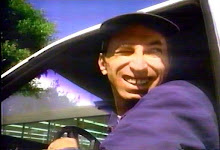.jpg)
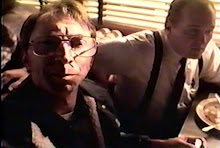.jpg)

.jpg)

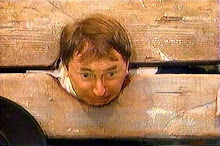.jpg)
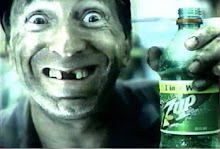.jpg)

.jpg)
.jpg)